
Car buying in America has changed significantly in the past decade. Tasks that once required several dealership visits can now be completed online. Buyers can browse vehicles nationwide, compare prices, arrange financing, and handle most of the purchase process from their devices.
With the rise of online vehicle shopping, secure delivery is now a critical part of the buying experience. Whether purchasing from a dealership, acquiring a collector car from another state, or winning an online auction, buyers need to ensure their vehicle arrives safely and on schedule.
Consumer Affairs reports that about 95% of vehicle buyers use online resources during their car-buying journey, making digital shopping a standard practice. As online automotive commerce grows, professional vehicle transportation services have become increasingly important.
Experienced auto transport professionals note that delivery is often where buyers either gain confidence or face unexpected issues. Understanding the vehicle shipping process helps buyers avoid delays, damage claims, hidden fees, and logistical problems.
This guide outlines how to safely transport a vehicle purchased online and what buyers should know before arranging shipment.
Why Online Car Buying Continues to Grow
Compared to traditional local buying, online car shopping offers several benefits.
First, buyers have access to a larger inventory. Rather than being limited to local dealerships, they can search nationwide for their preferred make, model, trim, or color.
Second, broader market access often results in better pricing. Differences in regional demand, inventory, and dealership incentives across states create opportunities for competitive deals.
Third, online marketplaces simplify comparison shopping. Buyers can evaluate vehicles, financing options, and seller ratings without the need to travel.
This trend has accelerated with improved digital retailing tools. As automotive e-commerce grows, many consumers now expect at least part of the buying process to take place online. However, after purchase, the vehicle must still be transported from the seller to the buyer. So, careful planning is essential for the final step, which is delivery.
Understand Your Vehicle Shipping Options
Buyers should familiarize themselves with the two main shipping methods before arranging transportation.
Open Auto Transport
Open transport is the most widely used and cost-effective shipping option in the United States.
Vehicles are transported on multi-car carriers, similar to those used for new vehicle deliveries to dealerships. Sharing transportation costs among several vehicles allows open carriers to offer competitive pricing and broad availability.
Key Advantages:
● Reduced shipping expenses
● Faster possibilities for scheduling
● Widespread availability of carriers
● Ideal for the majority of daily cars
Disadvantages:
● Weather exposure
● Road debris exposure
● Insufficient protection compared to enclosed transportation
Open transport is typically preferred for standard sedans, SUVs, trucks, and daily-use vehicles.
Enclosed Auto Transport
Enclosed auto transport offers added protection by placing vehicles inside a covered trailer.
This option is commonly used for:
● Luxury vehicles
● Classic cars
● Exotic automobiles
● High-value collector vehicles
● Specialty vehicles
Key Advantages:
● Maximum weather protection
● Decreased exposure to traffic risks
● Improved safety
Disadvantages:
● Increased expenses for transportation
● Restricted availability
● Extended windows for scheduling
Buyers should evaluate vehicle value, condition, and the distance to the destination when deciding between open and enclosed shipping.
Verify the Seller Before Scheduling Delivery
A common mistake among online buyers is arranging transportation before fully verifying the vehicle purchase. Before booking a shipment, complete the following steps:
Confirm Vehicle Ownership
Confirm that the seller legally owns the vehicle and holds a transferable title. Request:
● Vehicle Identification Number (VIN)
● Title documentation
● Registration information
● Government-issued identification when appropriate
Review Vehicle History
Obtain a vehicle history report to identify:
● Previous accidents
● Flood damage
● Salvage titles
● Odometer discrepancies
Request Current Photos
Request detailed, high-resolution photos that show:
● Exterior condition
● Interior condition
● Wheels and tires
● Existing scratches or dents
Current photos provide a baseline record, which is valuable during transport inspections.
Verify Payment Completion
Most reputable transport providers require confirmation that the vehicle is ready for pickup. Finalize payment and ensure the seller is prepared to release the vehicle before scheduling shipment.
Choose a Legitimate Auto Transport Provider
Selecting the right auto transport company is one of the most important steps when buying a car online. A licensed, insured, and reputable carrier helps ensure your vehicle arrives safely, on time, and without unexpected complications.
Verify USDOT and FMCSA Registration
Federal regulations require interstate motor carriers to obtain a USDOT number and maintain active operating authority. These records allow consumers to confirm that a transporter is legally authorized to move vehicles across state lines.
The Federal Motor Carrier Safety Administration (FMCSA) regulates interstate carriers in the United States. Buyers should confirm the following:
● USDOT number
● Operating authority
● Active carrier status
● Insurance information
Federal registration confirms a company's authorization to transport vehicles across state lines.
Check Insurance Coverage
Request proof of cargo insurance. Be sure to understand:
● Coverage limits
● Deductibles
● Exclusions
● Claims procedures
Insurance requirements differ by carrier. Buyers should review all documentation thoroughly before shipping.
Read Independent Reviews
Research customer experiences using the following sources:
● Google reviews
● Better Business Bureau profiles
● Industry forums
● Consumer review platforms
Focus on recurring patterns rather than isolated complaints. Consistent reports of communication issues, missed deadlines, or billing disputes may indicate broader operational problems.
Understand Vehicle Shipping Costs
Before arranging vehicle transportation, it's important to understand what influences shipping costs. Auto transport pricing varies based on several factors, including distance, vehicle type, transport method, seasonal demand, and pickup and delivery locations. Below is the detail of these factors.
Distance
Longer distances typically raise total transportation costs, although per-mile rates may decrease for cross-country shipments.
Vehicle Size and Weight
Larger vehicles require more trailer space and add extra weight, which can increase shipping costs. Common examples include:
● Full-size SUVs
● Pickup trucks
● Commercial vans
Transport Type
Enclosed transport usually costs more than open transport because it offers less trailer capacity and requires specialized equipment.
Seasonal Demand
Shipping demand varies throughout the year. Higher demand periods often include:
● Summer relocation season
● Snowbird migration months
● End-of-year vehicle sales periods
Market conditions can affect both pricing and scheduling availability.
Pickup and Delivery Locations
Urban areas typically provide easier carrier access and more competitive pricing. Remote rural locations may require:
● Additional mileage
● Transfer points
● Flexible scheduling
Understanding these variables helps buyers set realistic expectations and avoid surprises.
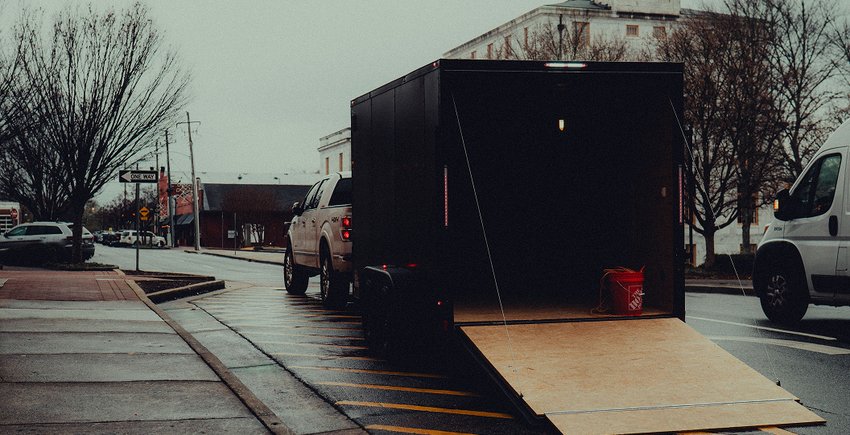
Prepare Your Vehicle for Pickup
Before your vehicle is loaded onto a transport carrier, proper preparation is essential. Taking a few simple steps can help prevent delays, ensure a smooth pickup process, and protect your vehicle during transit.
Remove Personal Items
Most carriers prohibit excessive personal belongings in transported vehicles. Personal items can:
● Increase weight
● Create liability issues
● Shift during transit
Remove all valuables before pickup.
Check for Leaks
Ensure the vehicle is mechanically sound for safe loading and unloading. Address:
● Oil leaks
● Coolant leaks
● Brake fluid leaks
● Fuel leaks
Maintain Minimal Fuel
Keep approximately one-quarter tank of fuel, as recommended by most carriers. This amount is sufficient for loading and unloading and minimizes unnecessary weight.
Disable Toll Devices
Remove or deactivate:
● Toll transponders
● Parking passes
● Automated payment devices
This prevents accidental charges during transport.
Document Vehicle Condition Thoroughly
Thorough documentation is essential to the process. Before pickup:
Take Comprehensive Photos
Photograph the following areas:
● Front bumper
● Rear bumper
● Roof
● Hood
● Trunk
● Wheels
● Mirrors
● Interior
Capture images from several angles and ensure good lighting.
Record Existing Damage
Document the following:
● Scratches
● Dents
● Paint chips
● Cracks
● Mechanical issues
Detailed documentation helps resolve potential disputes more efficiently.
Review the Bill of Lading
The Bill of Lading is the official shipping inspection report. At pickup:
● Check the details of the vehicle.
● Verify the recorded condition.
● Examine the damage that was observed.
● Keep a copy for your documentation.
This document is essential if you need to file a damage claim.
Track the Shipment and Stay in Communication
Vehicle transportation typically involves several logistical steps. Maintaining regular communication with your transport provider helps minimize uncertainty. Important updates typically include:
● Pickup confirmation
● Transit status
● Estimated delivery timing
● Delay notifications
Weather, traffic, equipment issues, and route changes may occasionally impact delivery schedules. Flexibility and clear communication help ensure a smooth delivery experience.
Conduct a Careful Delivery Inspection
Many buyers are eager when their vehicle arrives and may rush the final inspection. However, it is important not to rush this step. Before signing the delivery paperwork:
Inspect the Entire Vehicle
Compare the vehicle to your pickup photos to identify any discrepancies. Check:
● Paint condition
● Glass
● Mirrors
● Wheels
● Body panels
● Interior
Whenever possible, inspect during daylight hours.
Review the Bill of Lading
Verify that the vehicle's condition matches the original inspection report. If new damage exists:
● Note it immediately
● Photograph it
● Inform the carrier before signing
Documentation completed at delivery is critical for any future claims investigations.
Test Basic Functions
Confirm:
● Vehicle starts properly
● Lights function
● Windows operate
● Tires appear properly inflated
Address any concerns before finalizing the delivery process.
Common Mistakes Online Car Buyers Should Avoid
Even experienced buyers occasionally encounter problems. The most common mistakes include:
Choosing the Cheapest Quote
Extremely low quotes may indicate:
● Hidden fees
● Scheduling problems
● Poor carrier availability
Consider price in conjunction with the provider's reputation and service quality.
Not Verifying Insurance Coverage
Assuming coverage without reviewing documentation can lead to complications if damage occurs. Always request and review proof of insurance.
Skipping Vehicle Inspections
Incomplete documentation complicates the resolution of damage claims. Thorough inspections help protect all parties.
Delaying Arrangements Until the Last Minute
Last-minute transportation requests often result in:
● Higher costs
● Limited availability
● Scheduling challenges
Advance planning typically leads to better results.
Overlooking Delivery Restrictions
Large transport trucks may face access limitations in:
● Residential neighborhoods
● Narrow streets
● Gated communities
Discuss delivery logistics with your provider before shipment begins.
The Role of Auto Transport in Modern Vehicle Commerce
The United States has one of the largest vehicle fleets in the world. According to the Federal Highway Administration (FHWA), there are more than 280 million registered vehicles nationwide, creating significant demand for interstate vehicle transportation services.
As digital commerce expands, interstate vehicle movement continues to play a critical role in connecting buyers, sellers, dealerships, auctions, and logistics networks.
Professional auto transport companies connect online transactions with physical vehicle delivery. Through regulatory compliance, carrier networks, insurance coverage, and logistics expertise, these companies allow consumers to buy vehicles outside their local areas.
As online vehicle purchasing evolves, secure transportation remains vital to the customer experience.
Final Thoughts
Buying a car online offers unprecedented convenience, a broader vehicle selection, and access to competitive pricing nationwide. However, the delivery process deserves just as much attention as the purchase itself.
To ensure safe vehicle transportation, verify the seller, choose a qualified auto transport company, review shipping options, document the vehicle's condition, and inspect the car at both pickup and delivery.
By following these steps, buyers can confidently purchase vehicles from anywhere in the country and receive them securely. In today's digital automotive marketplace, understanding vehicle shipping is essential for a successful online car purchase. So, if you have chosen your new car to buy, look for a reputable car shipping company to get it delivered safely to your doorstep!
FAQs
How long does it take to have a car delivered after buying it online?
Delivery times vary based on distance, route, weather, and carrier schedules. Most interstate shipments take 3 to 10 days, while cross-country deliveries may take up to 2 weeks.
Is auto transport insurance included in vehicle shipping?
Most licensed auto carriers include cargo insurance. Always request proof of insurance and review coverage limits before scheduling shipment.
Should I choose open or enclosed auto transport?
Open transport is the most affordable and common choice for standard vehicles. Choose enclosed transport for luxury, exotic, classic, or high-value vehicles needing extra protection.
Can I put personal belongings inside my car during transport?
Most carriers discourage or restrict personal items in vehicles, as extra weight can impact shipping costs and insurance. Confirm the carrier's policy in advance.
What should I do if my vehicle arrives with damage?
If your vehicle arrives damaged, document it immediately with photos, note it on the Bill of Lading before signing, and contact the carrier to start a claim. Careful inspections at pickup and delivery help ensure successful claims.