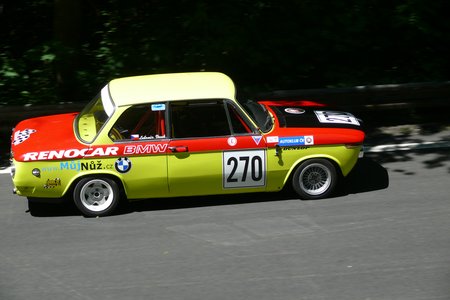
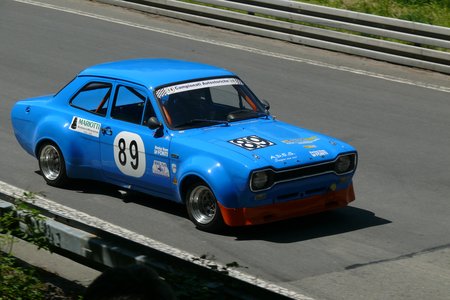
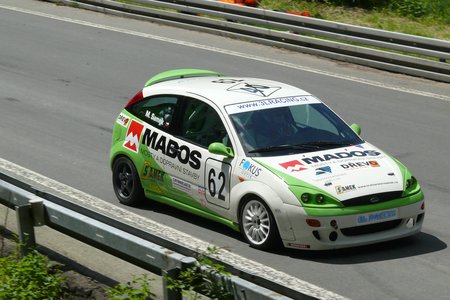
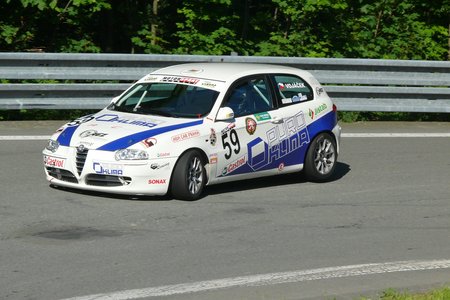
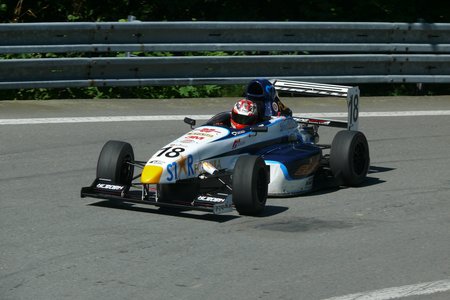
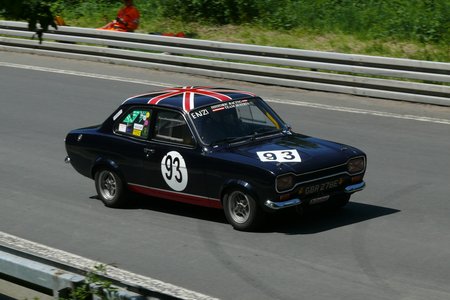
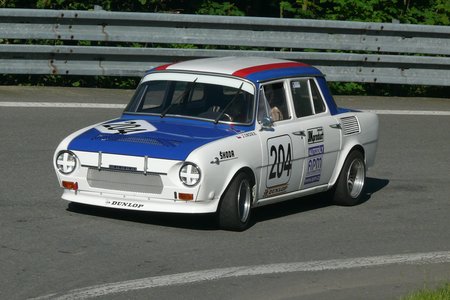
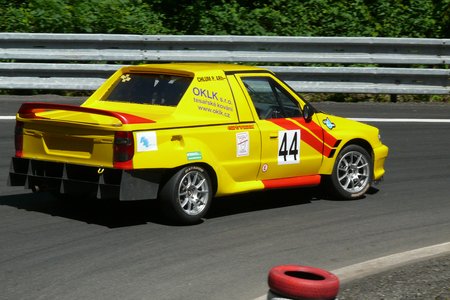
A traditional race meeting in Ecce Homo was held as the fourth event of the European Hillclimb Championship and it was its 30th annual in a row. The Czech city Šternberk has hosted this European meeting since 1981 so organisers took the opportunity to prepare a very nice publication covering all those events. For those that are interested deeper in the race history we recommend to visit www.euromontagna.com website where all cars ever participated in Ecce Homo are covered, most of them even in a picture. The hillclimb race has been held here regularly since 1971, originally as a national championship, later before becoming official European Championship the race enjoyed an extented international participation. But the history of the track starts in 1905 with a race whose existence is a bit a mystery, back in 1984 believed to be held in 1904 to be corrected only a year later, all this based only from some mentions in a local newspapers... Well, at times there was a circuit race, another year it was part of a rally but now it is one of nicest European hillclimb tracks.
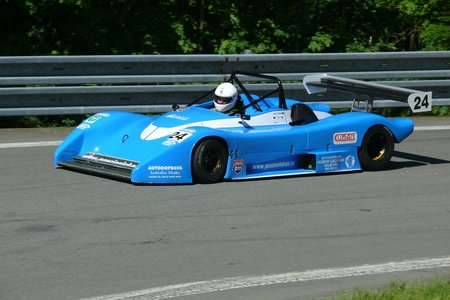
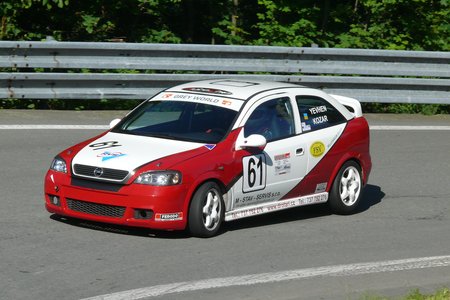
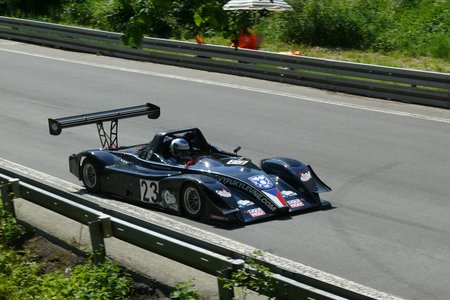
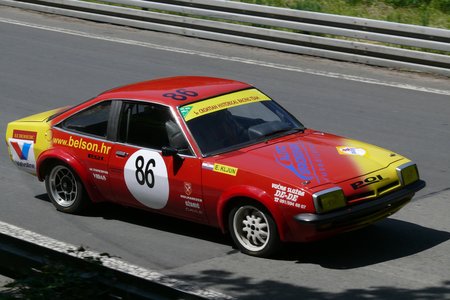
This year, all favourites in the top class were present, among them the last year champion Simone Faggioli. It was nice to see him back here in Ecce Homo because the European crown is not a priority for this pleasant your Italian driver anymore as he now concentrates on his domestic championship. So after the first three races, it was another nice Italian driver in the championship lead, Fausto Bormolini, because Faggioli was absent in a race in Portugal. However wherever Faggioli appears, not only he wins but he also breaks records. Last year he set a fantastic time here in Ecce Homo running under 2:50 while only very few other drivers ever broke the 3-minute time. This year he was by far the quickest driver again leading the race by more than 11 seconds after the first heat and improving his own record to 2:48.578. In the second heat he just controlled the huge lead but the time 2:49.389 was still better than his record from 2009 and way ahead of anything else ever racing at Ecce Homo hillclimb. Faggioli drove a special single seater prototype entered by the factory Osella Engineering. This is a modern hillclimb car, which opposition comes mainly from obsolete Formulas 3000 and Formulas Nippon. Those cars are much cheaper than the new Osella but really 5 to 16 years old machinery is not capable of the performance of the Osella FA30, as the full designation of the car is.
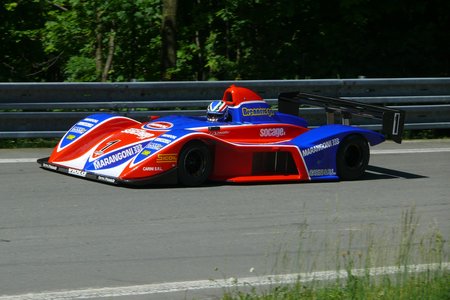
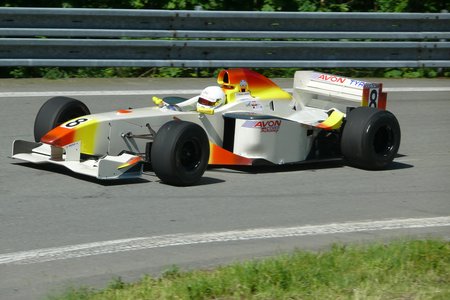
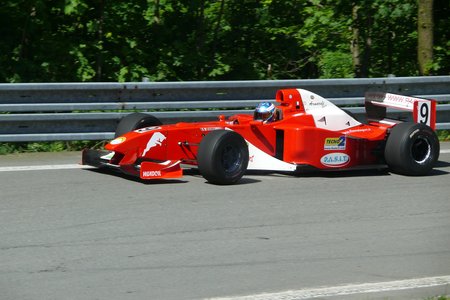
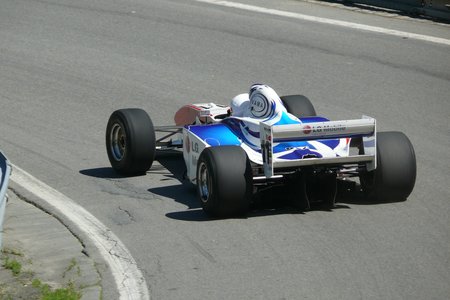
This fact was confirmed also by the second fastest driver in the field driving the only other Osella FA30 in the field. It was funny David Kostruh whose sense of humor was very nice but as he was trying to become the first Czech driver running here under 3 minutes, he made a mistake in the first heat, slightly touching a safety fence, after which the car was very hard to drive and he spun twice. His time at 3:19s meant no chance for a podium finish. In the second heat he improved the Czech record to 2:59.237 but the first Czech driver actually running under 3 minutes had already become Miloš Beneš with his Ralt RT23 (F3000) setting 2:59.923.
There was no other driver to break the 3-minute barrier so Beneš was classified second overall behind unbeatable Faggioli but his time from the second heat become a big question mark which has not been resolved until now when the report is being written. The time keepers announced 2:52.004 as his second heat time which looked fantastic but actually nobody but the timing-service manager believed it. Even the telemetry records proves time at about 3:02, which would be still sufficient for the second overall but now there is in question an official Czech best time on the track. Even the driver neither believe it nor he wish this time to be recognized as such because it was simply an error.
This problem might be a result of previous bad start of championship leader Fausto Bormolini. In the second heat his engine stalled right after the car had moved following the green light but unfortunately he already crossed the line of the timing system and thus became DNF and received no more points in the championship. Later it was confirmed that electronic of more cars at this time was suffering near the starting line so who knows what was the real reason of that. However since Bormolini did not make a proper start and Beneš followed right after him and set an incorrect time, this situation may be an explanation of the problem.
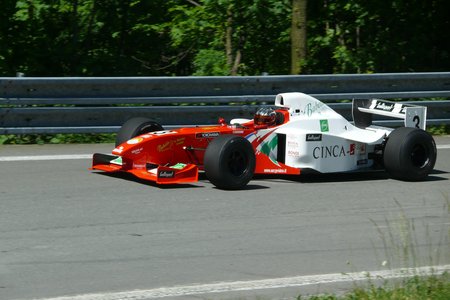
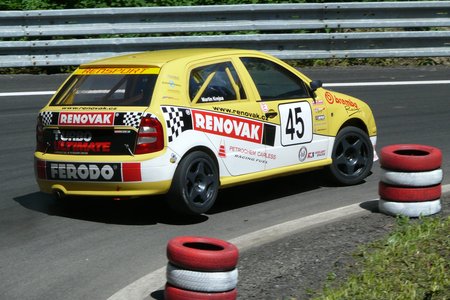
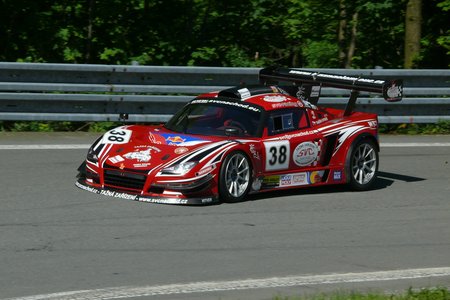
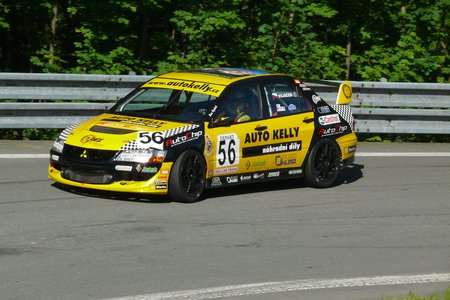
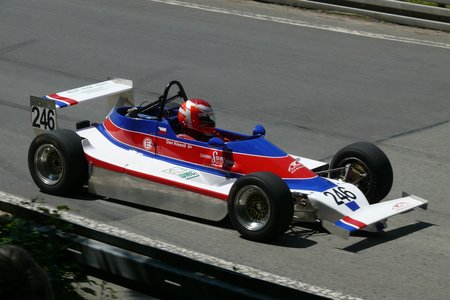
The final spot on the podium belonged to famous Otakar Krámský, a driver with a long racing career and several European titles keeper. He used to race BMW M3s during the 1990s when he completely eliminated any opposition in Group A and, as he had nothing more to achieve in his category, he moved to top Group CN prototypes. But recently he also prefers to run an old Formula 3000, Reynard designated as K-10 to reflect his own updates to the car. Despite he now races more for fun, he is still very quick and managed to set great times at 3:01s and 3:03 to beat other three Czech drivers in open-wheel Lolas, Milan Svoboda, Dušan Nevěřil and Jaroslav Krajči, a Slovakian with a Czech licence.
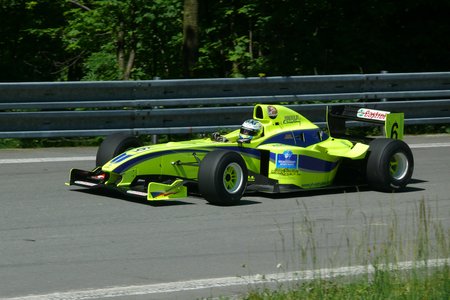
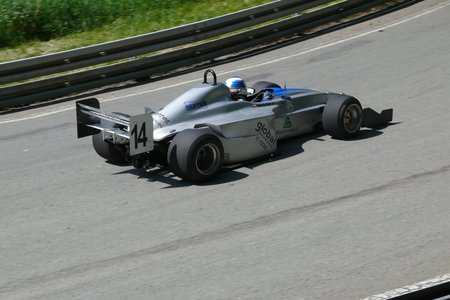
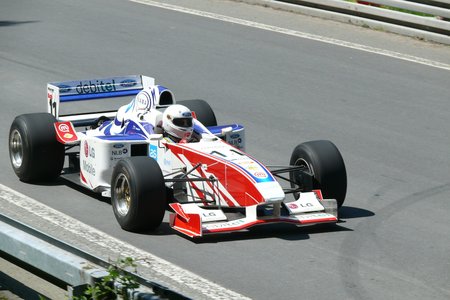
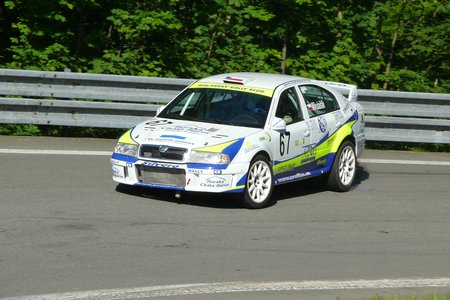
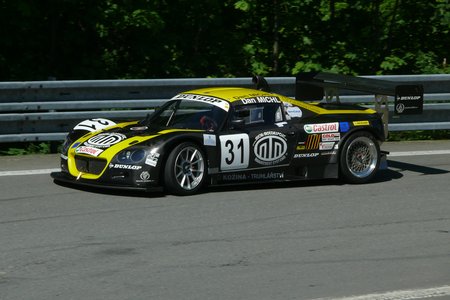
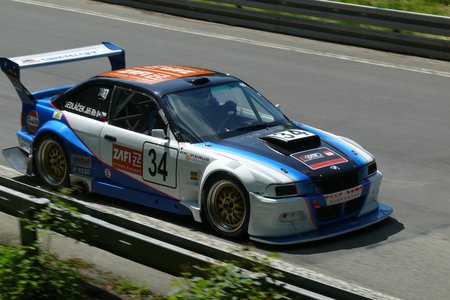
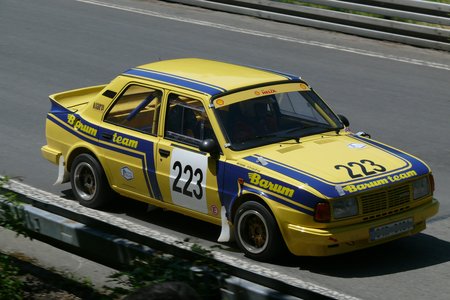
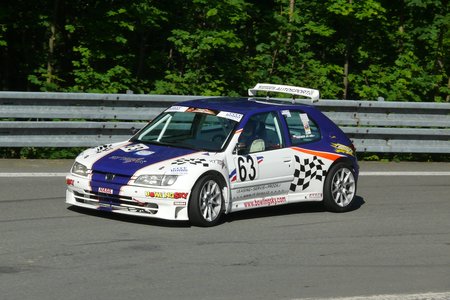
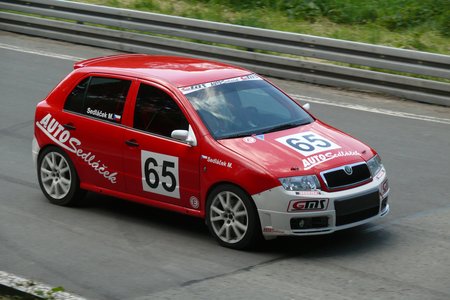
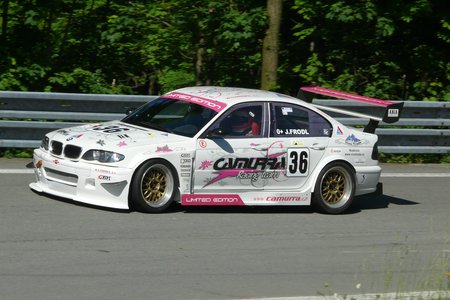
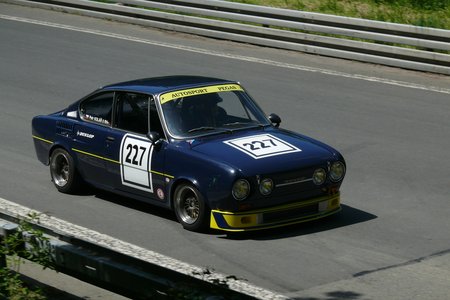
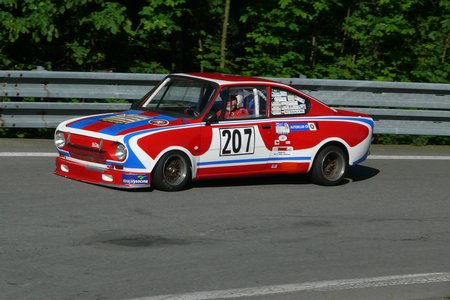
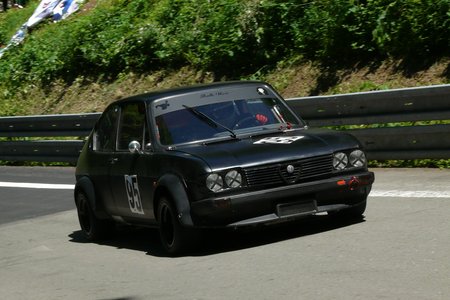
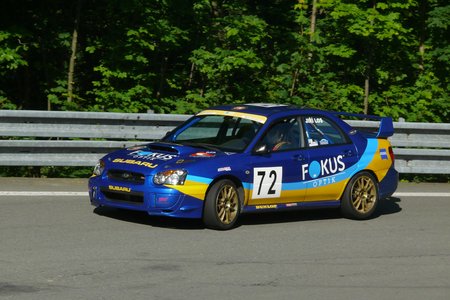
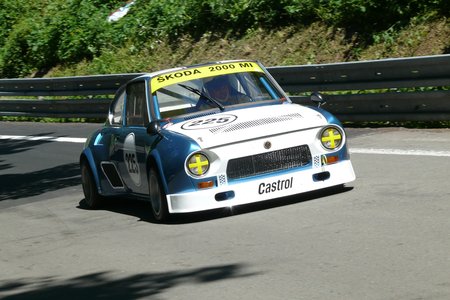
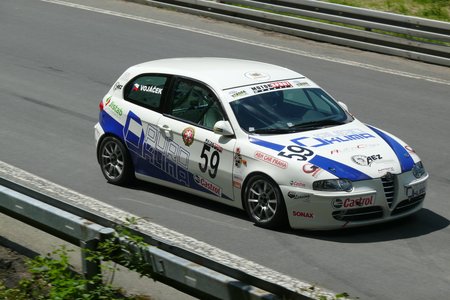
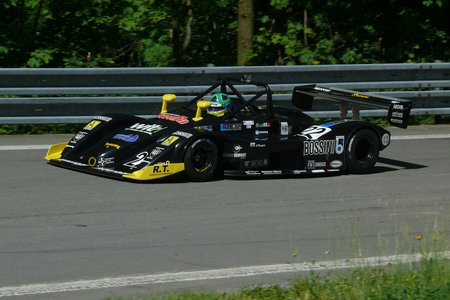
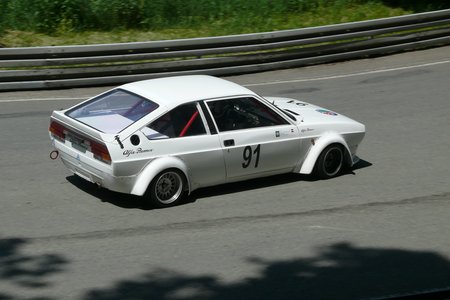
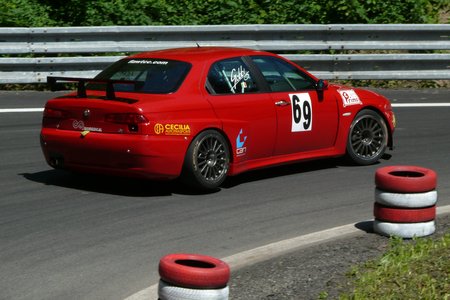
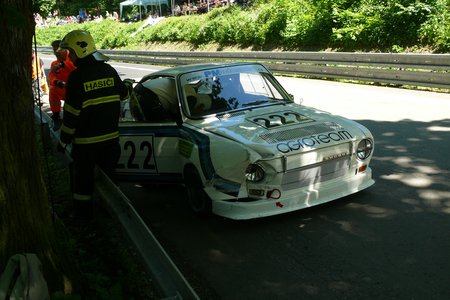
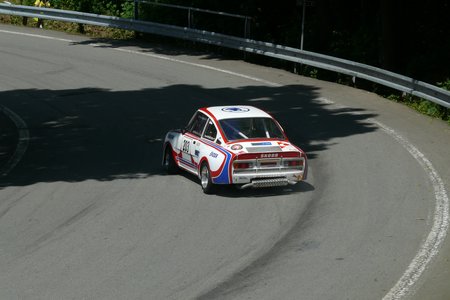
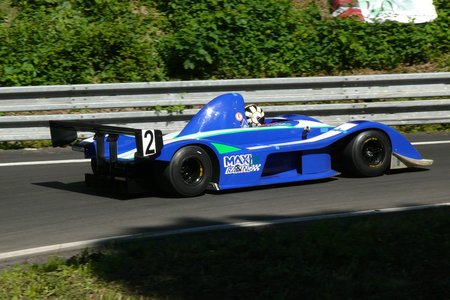
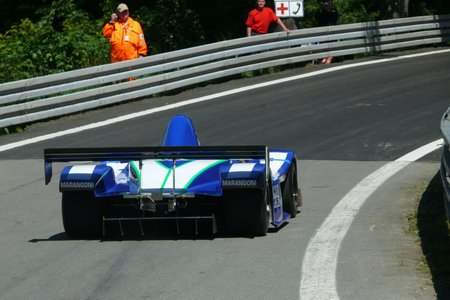
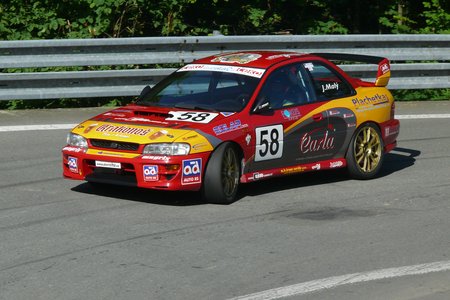
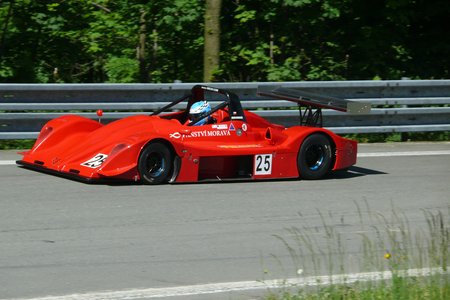
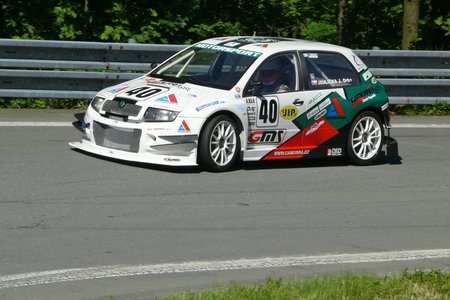
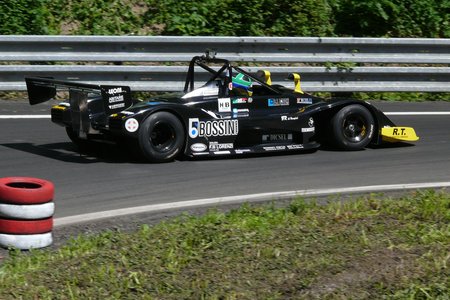
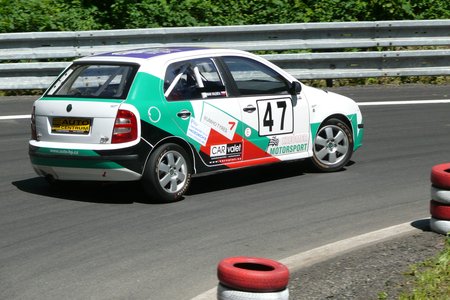
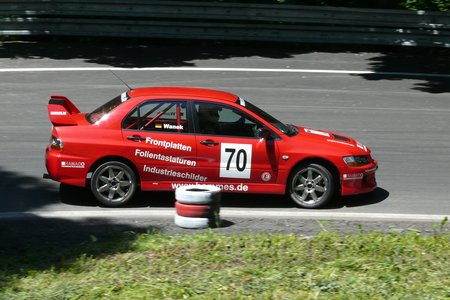
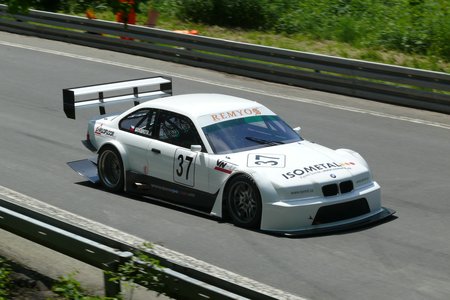
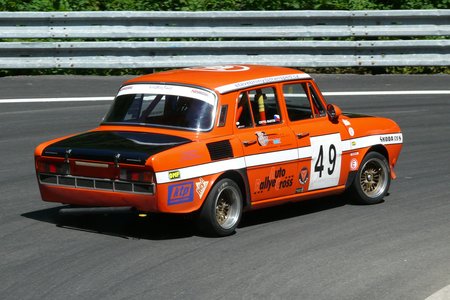
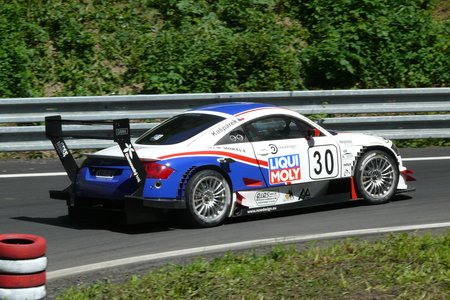
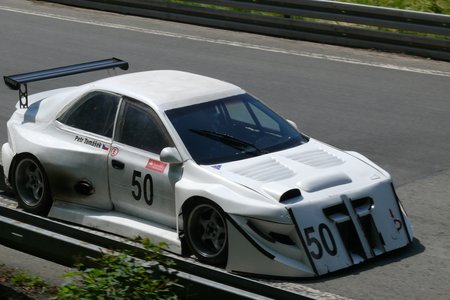
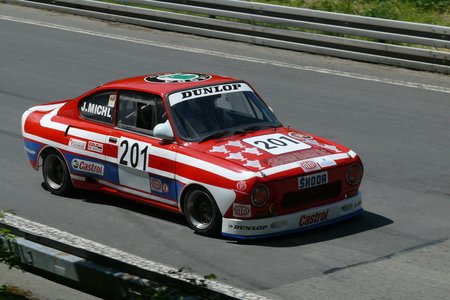
The field in the European Hillclimb Championship races has become much more diverse and interesting than it used to be some five or ten years ago when most of the field consisted of boring low volume Group A or Group N cars. Only bad thing now is a real lack of true sports prototype cars. Apart from the two single seater Osellas there were only four other spiders. The reason is that in 2004 the rules for Group CN car were changed dractically so they lost about 120 HP of their original power and at the same time even more powerful Formula 3000 cars were allowed in, later for official Championship points, so most of the top drivers moved there. On the other side, an introduction of Group E1, which covers almost all sorts of closed roof touring car specials, brought to the start an interesting range of cars, including DTM cars, special touring or GT cars, former Group 5 silhouettes, or similarly built modern specials, as well as some touring cars from the 1970s - we had two Skodas 110 here.
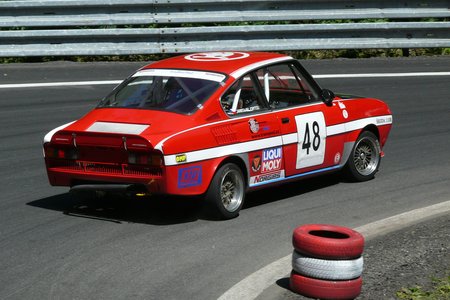
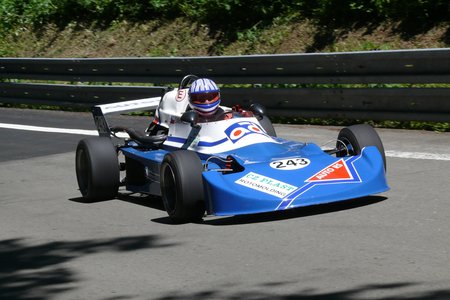
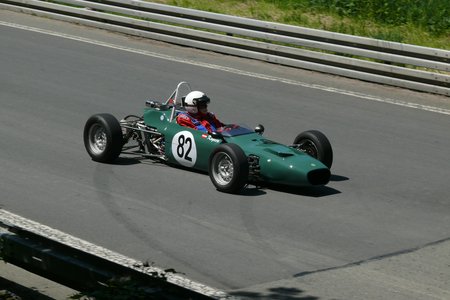
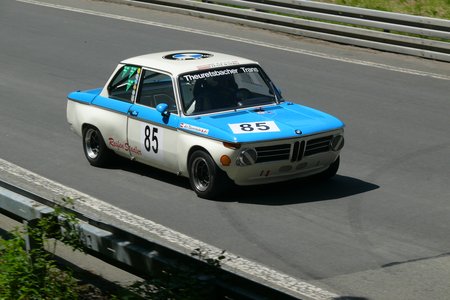
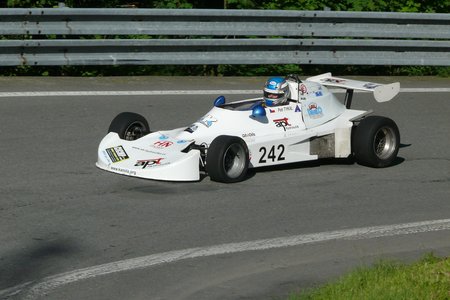
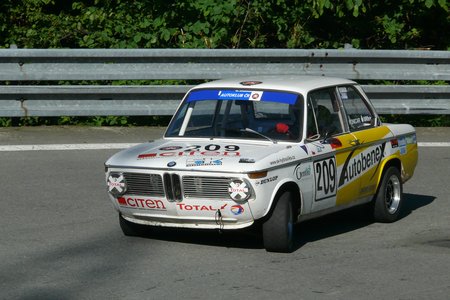
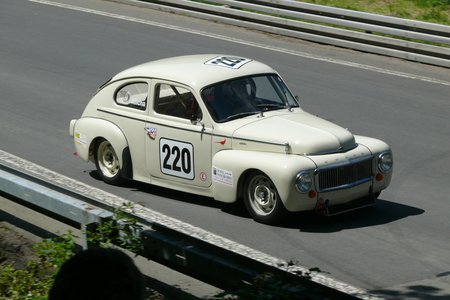
A separate classification was destined for true vintage cars. They were racing here also for their European Championship points. This class was completely dominated by the two Czech drivers with nice Formula 2 cars from the 1970s. They were Jaroslav Prášek with a Chevron B42 and Martin Vondrák in a March 712M. The two cars and drivers were well matched and less then one second was between them after the first heat. However Vondrák had some problems in the second heat and was about 7 second slower so Prášek took the golden medal at this event. The third place in this category belonged to Petr Tykal with a MTX 1-03 Formula Easter 1300 cc. While in Saturday's practice only two Škoda 130 RS touring cars were running under 4 minutes, in the race itself several Formula Easter made a huge improvement so the best Š130RS driver, Josef Michl, was only 5th overall. It is worth to mention that he was among those that were making the history of Czech motorsport when Škoda became an ETCC champion in 1981. He was also doing very well in a Haviřov 1978 circuit race, the first race clearly remembered by the author of the RSC website, when Michl finished second behind Austrian Sepp Manhalter in a silhouette BMW 2002 Turbo but ahead of armada of other foreign drivers with more powerful cars.
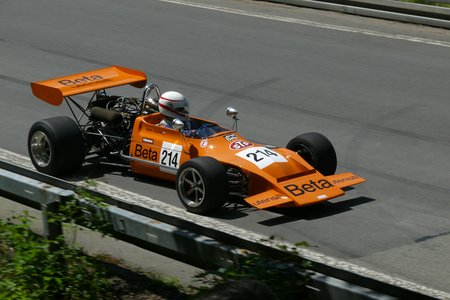
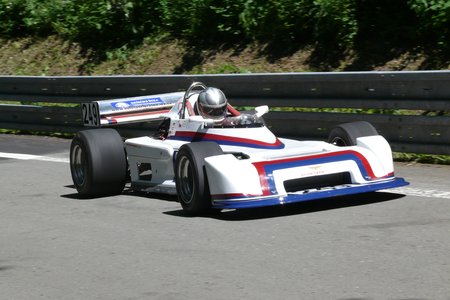
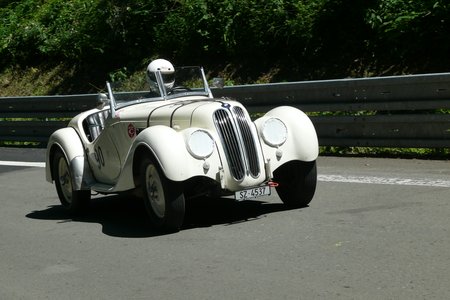
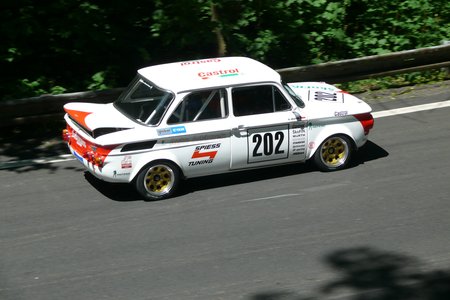
Another driver with a great history entering the historic class was Miroslav Adámek, a very succesfull Interserie driver in the 1980s, the most successful national sports car championship driver in the late seventies and also the only Czech driver that ever took part in the World Sports Car Championship, It was in Hockenheim 1985 when Adámek was a part of the Gebhardt Motorsport racing team. He also won the Ecce Homo race absolutely - in 1990 with HSS-Audi Turbo Can-Am. Other years he brought here another very interesting and special Interserie cars: a March Formula 1 from 1982 and later a Penske-Buick Indycar. This year, he was classified nice 9th overall with a small NSU TT among more than three tens of other drivers. Only foreign competitor among the historic class that managed to get into the top 10 in the final classification was Austian Hannes Doblhofer, running one of only two Porsches present during the weekend and finishing seventh.
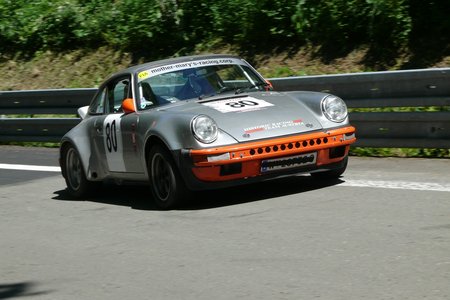
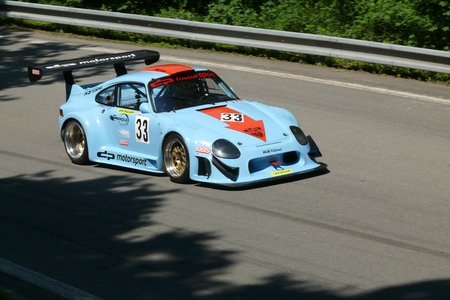

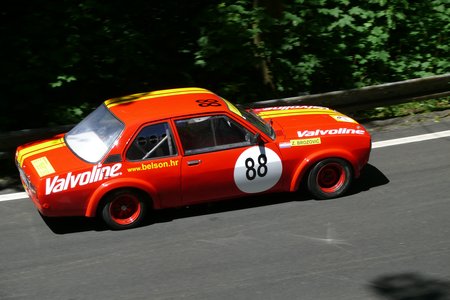
The other Porsche was Herbert Stolz who returned here with his nice Porsche 935 DP after five years to race in an E2-SH class among contemporary cars. He had been very quick in the first heat but then he went home and did not continue in the second heat, for reason we are not aware of. However there were much quicker cars in the E1 class. The winner of this class, Dan Michl with an Opel, covered the hill twice in 3:13s and became the fastest ever driver here in a closed car.