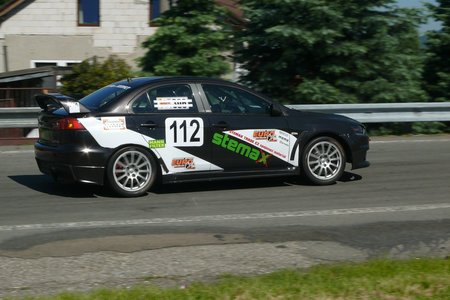
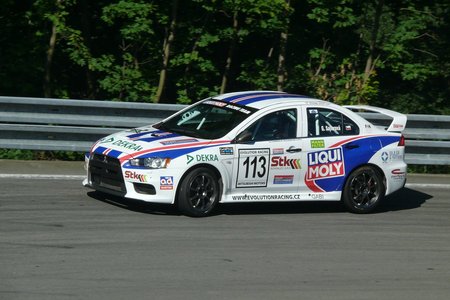
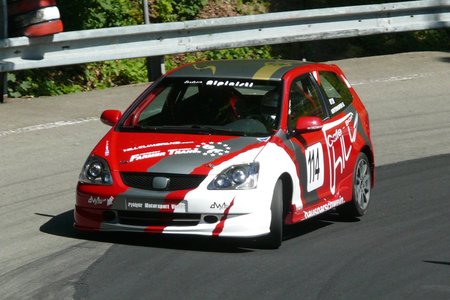
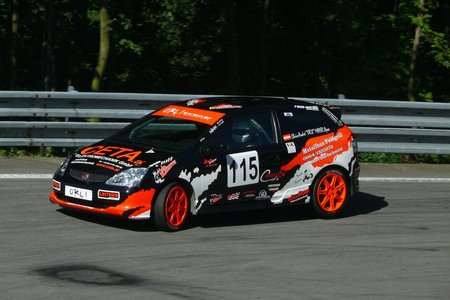
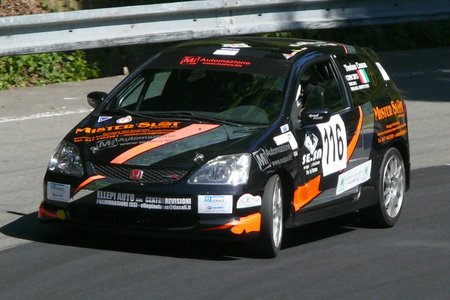
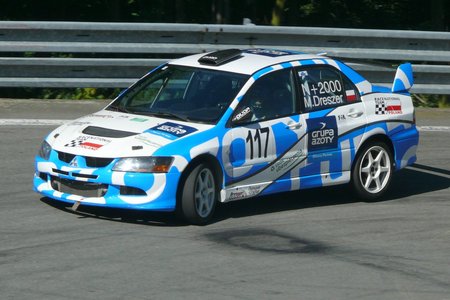
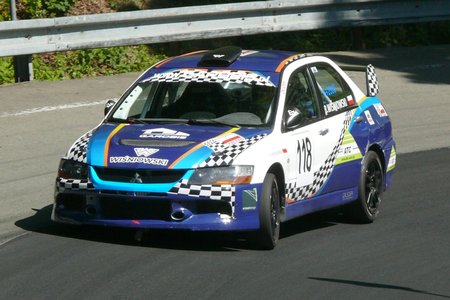
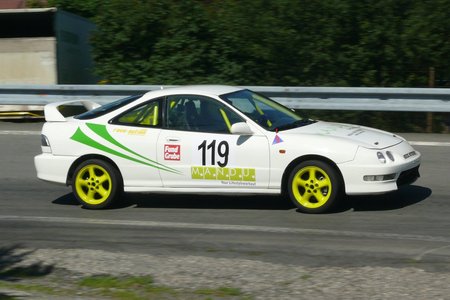
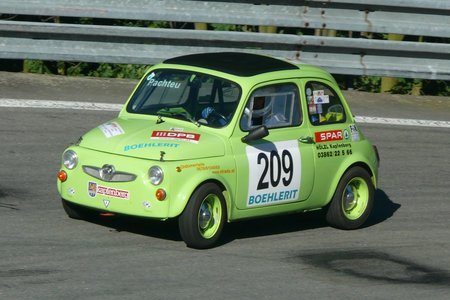
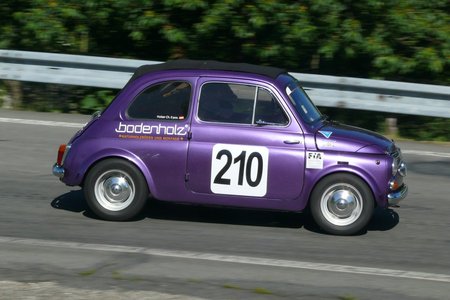
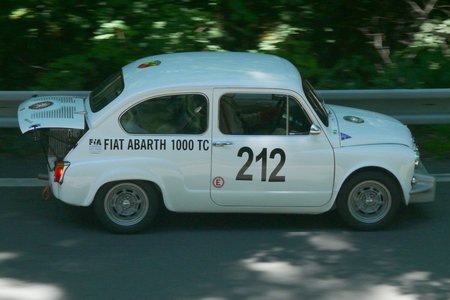
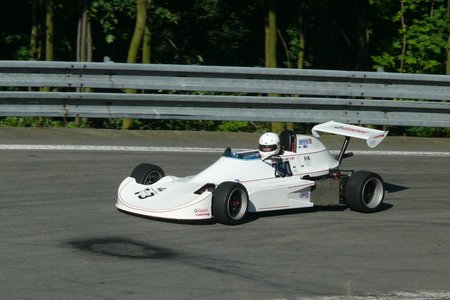
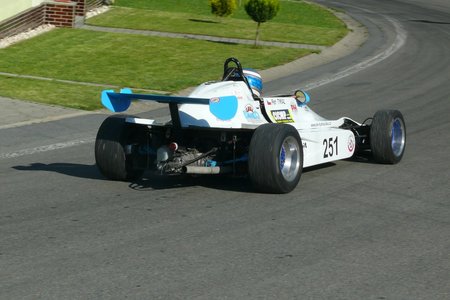
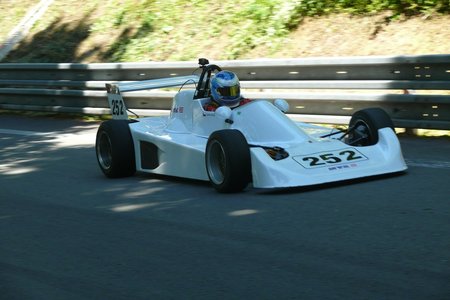
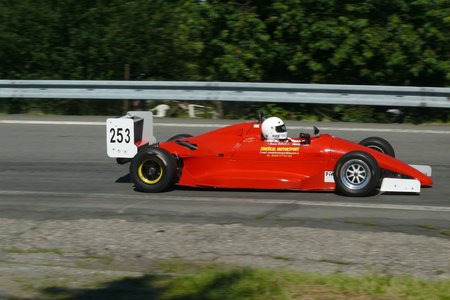
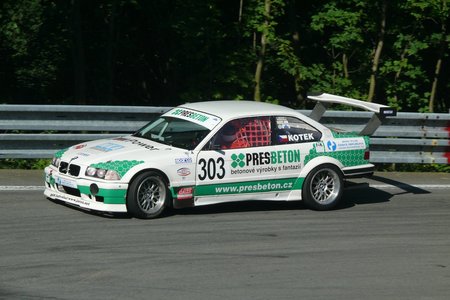
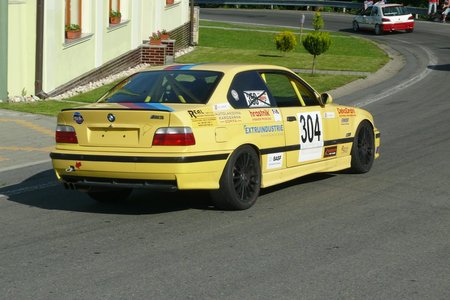
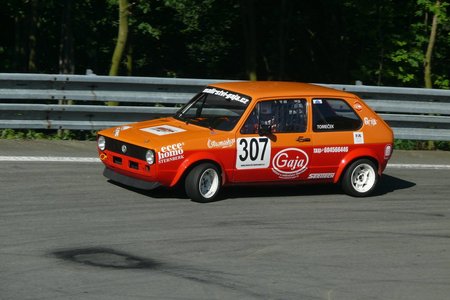
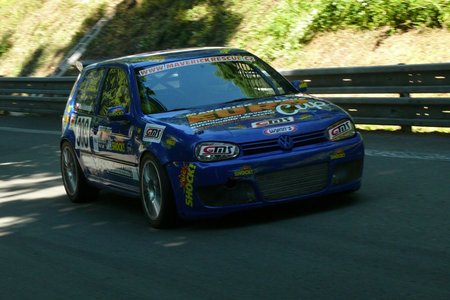
Ecce Homo, a traditional Czech race, is a part of the FIA European Hill Climb Championship since 1981 quite regularly, so it was its 34th running. However in this form the race is held since 1971, though it used to be only a national championship race with international competition allowed and welcome. This year it hosted the largest ever entry in its history: 181 cars officially, of which 179 appeared listed in the official results sheets. This means that two cars failed to make it to Saturday's practice sessions for various reasons. With 8 non-starters we actually saw 171 cars racing on Sunday. At the end of the day 155 of them were classified.
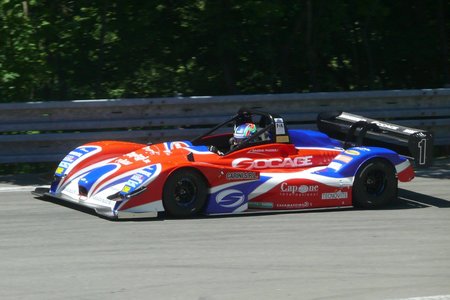

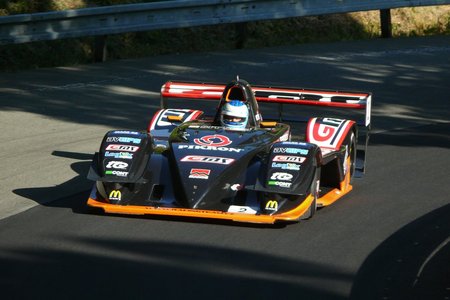
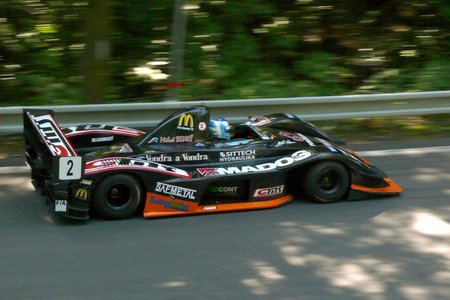
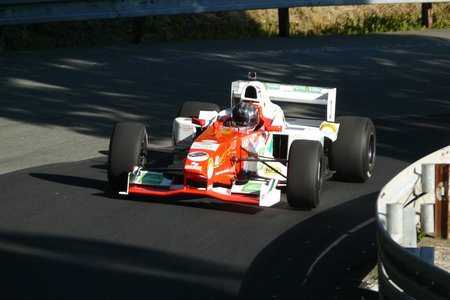
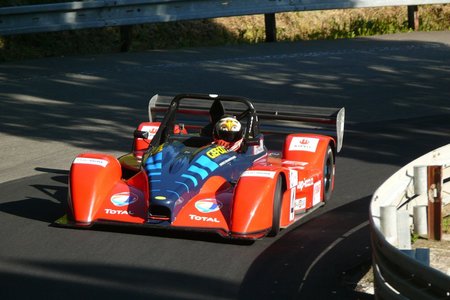
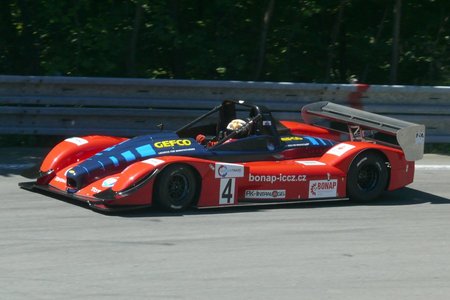
Unlike in Austria, we do have here just two practice sessions on Saturday. Despite that, both days were very long in terms of racing, as the track is longer than in Rechberg, which also requires longer intervals between the running cars. And it also usually takes more time to resolve when some car has a failure or an accident. So, due to some delays, organisers decided to merge two separate groups of competitors together in the afternoon sessions to speed the race up. To explain this, the race on Sunday and the practice on Saturday, usually consist of two sessions, or heats. But in each heat the cars/drivers are divided into two similarly big groups. When the first group finishes the heat, they are taken back to the paddock, and only after that then the second part starts. In the meantime the first drivers can already start preparing their cars for the next run. However this procedure takes about one hour, and without the merge of the groups in the second heats, we would have seen the end of the race at 8 or 9 PM. Such big the race was and such demanding the organisation appeared to be. However all went well and there were not big issues.
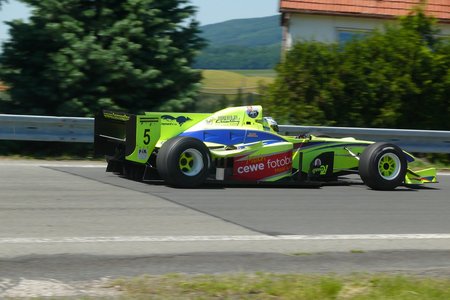
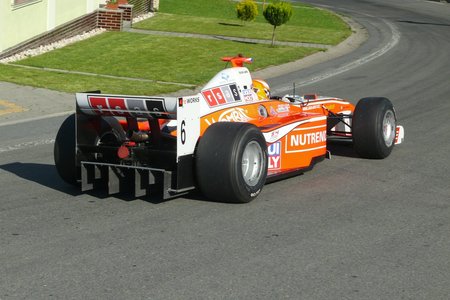

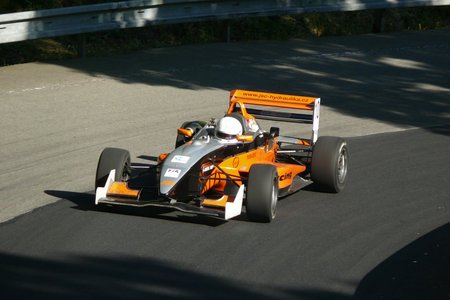
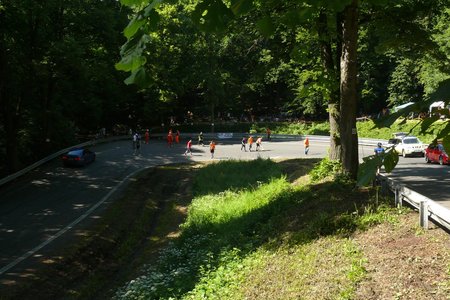
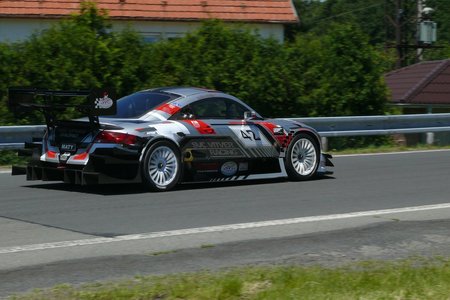
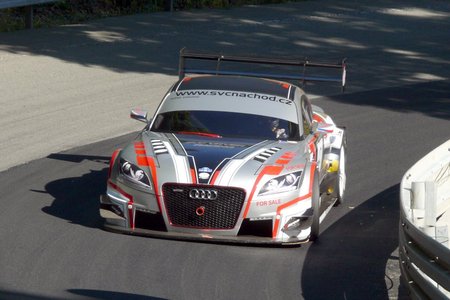
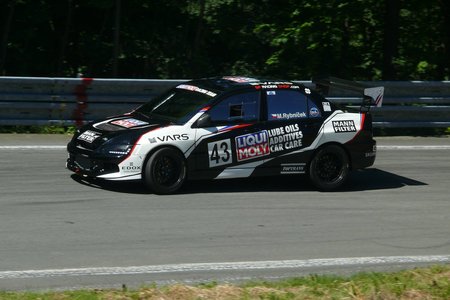
Sometimes there was a bad luck with cars failing to finish or crashing, very soon after the previous break. The most unwanted example happened when the second Sunday heat was restarted after previous incident. Then Rybníček started first after the track was cleared and prepared for restart. And he even did not reach our stand, which at the time was located in the first quarter of the track. So only one more driver managed to start before the race was interrupted again. He was Vitver in his Audi TT DTM. But he had an incident at a higher part of the track. And despite he managed to finish his heat, though almost one minute slower than his first one, some repairs or cleaning of the track were necessary, to cause another break, after only two cars release from the starting line.
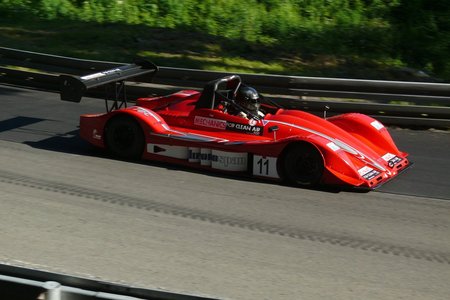
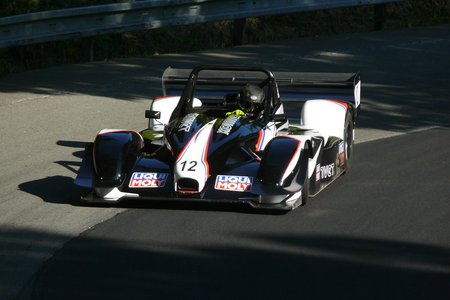
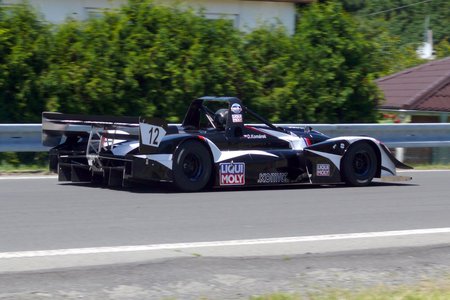
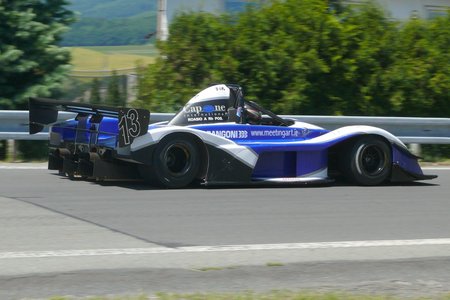
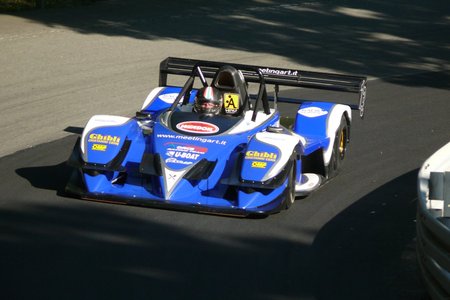
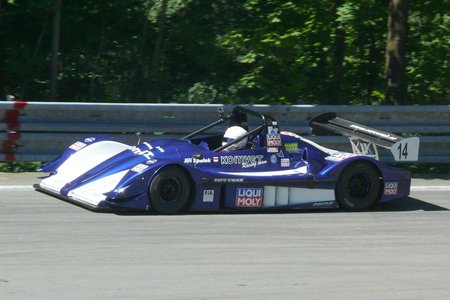
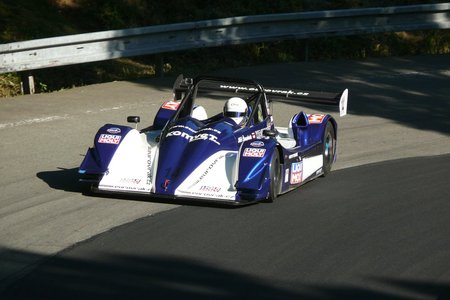
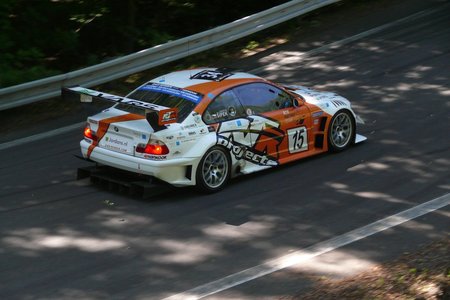
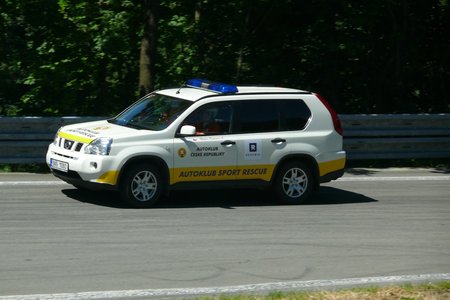
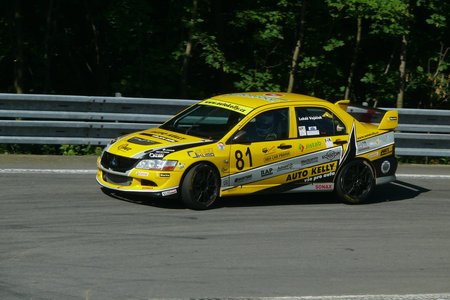
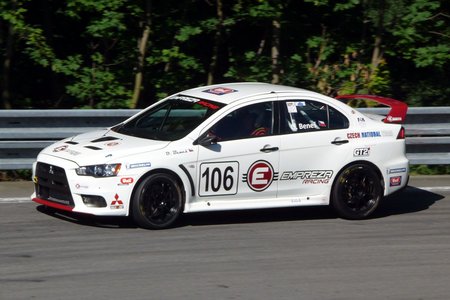
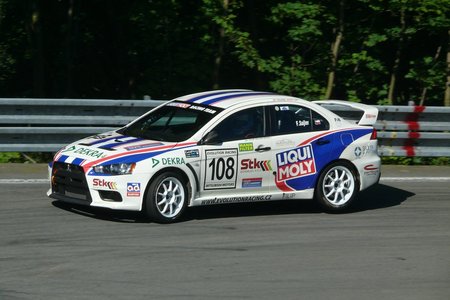
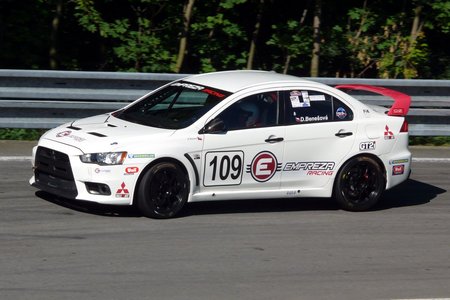
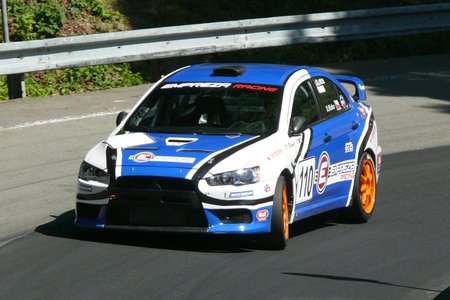
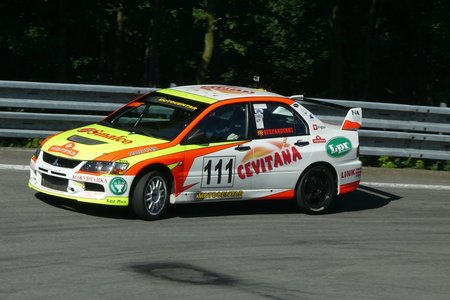
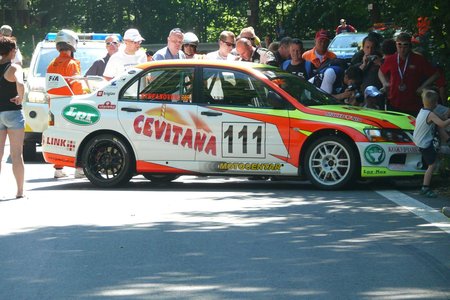
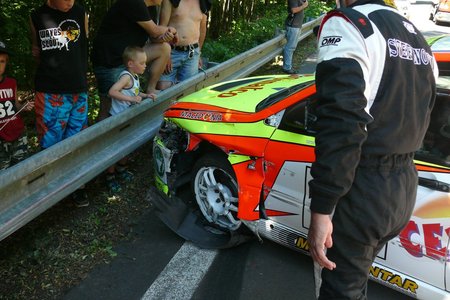
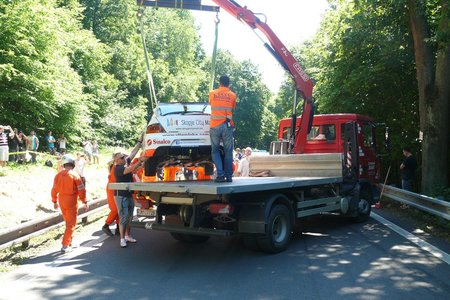
It was the most extreme example. However we lost more time on Saturday when the Category I (series touring cars Group A and N) leading driver from Macedonia, Igor Stefanovski, crashed into the barriers, just moments (half a second or so) before he would have appeared in our field of vision. The photos of his car number 111 can be found further down within our report gallery, which contains all starters ordered by race numbers, and also some organisers safety cars and forerunners. Fortunately, Stefanovski's team had needed spares and managed to get the car to the race. In any case, he was still beaten by Jiří Los (both Mitsubishi Lancer Evo IX) in the overall classification of Group N, they both belonged to.
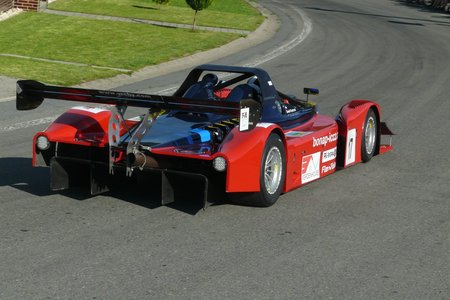
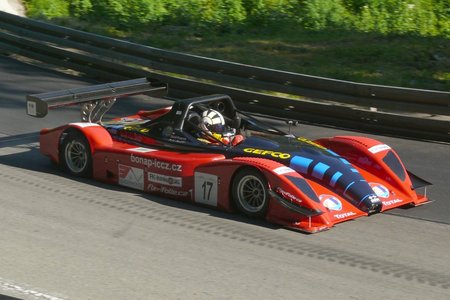
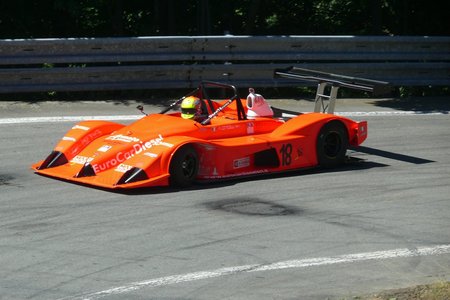
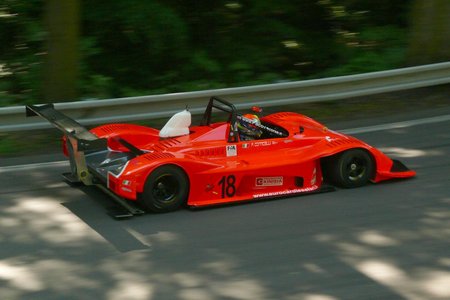
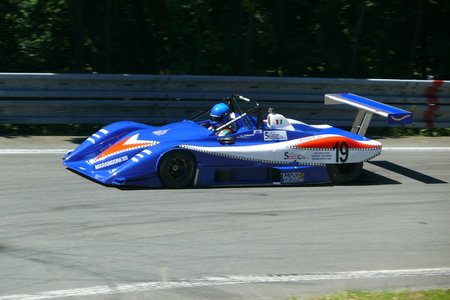
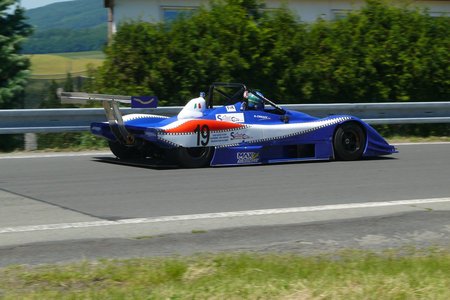
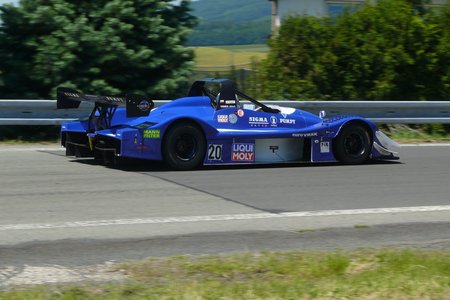
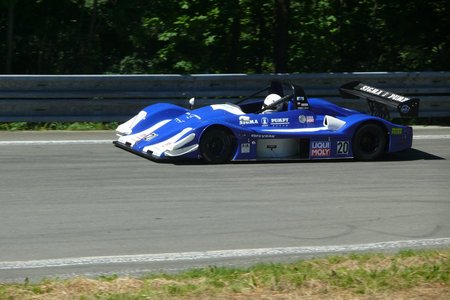
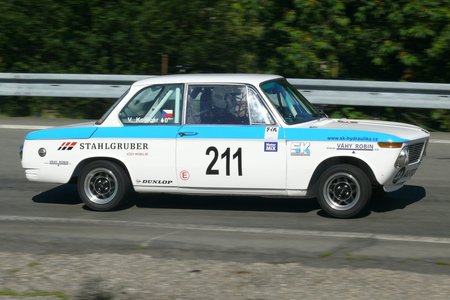
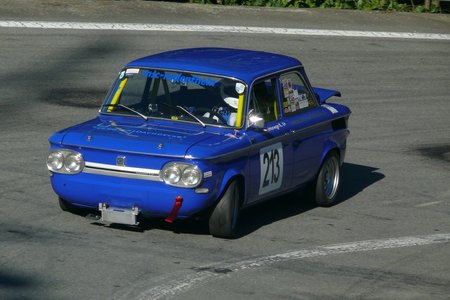
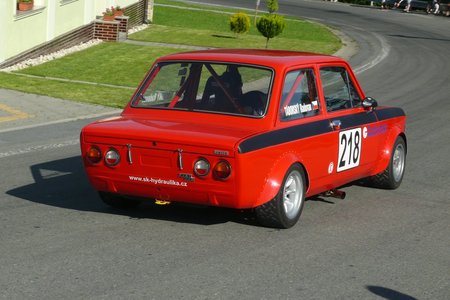
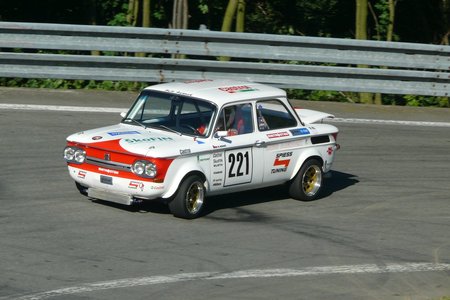
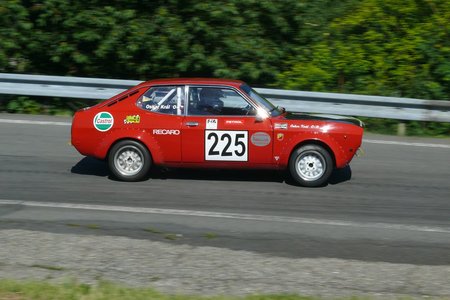
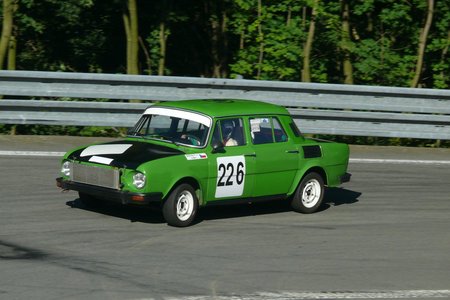
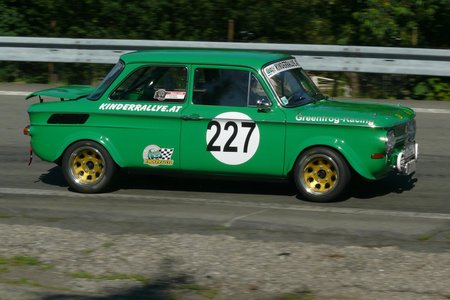
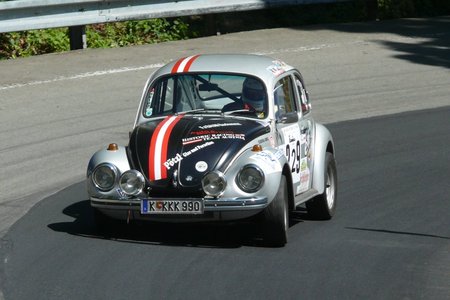
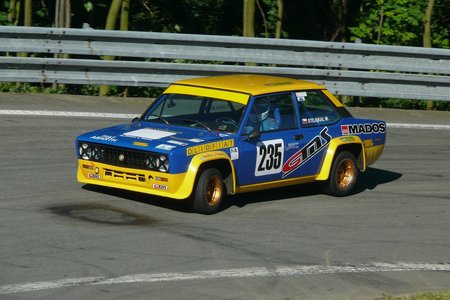
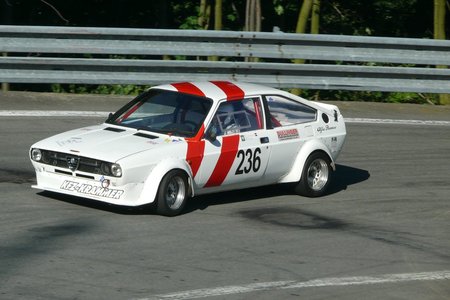
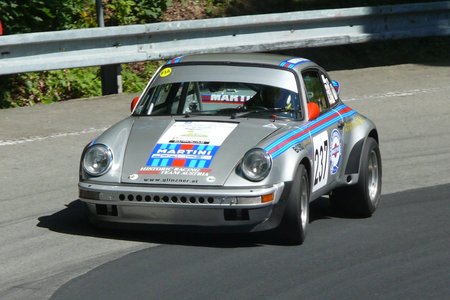
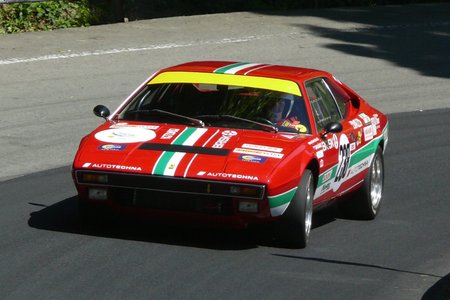
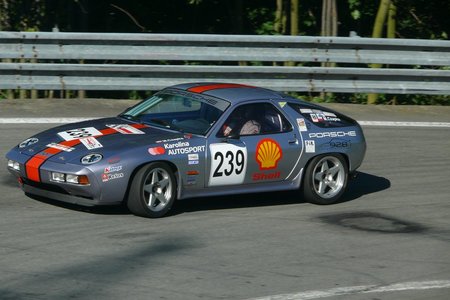
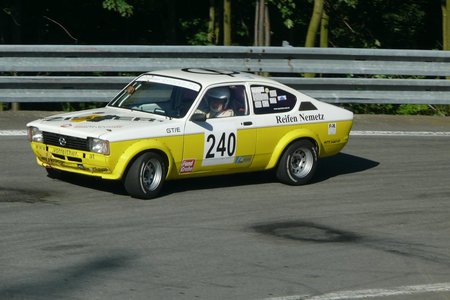
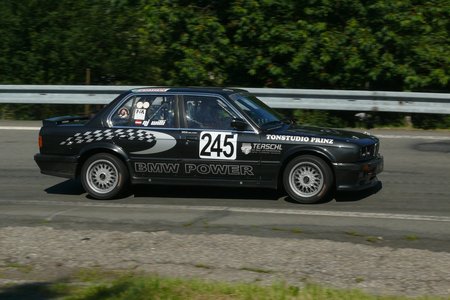
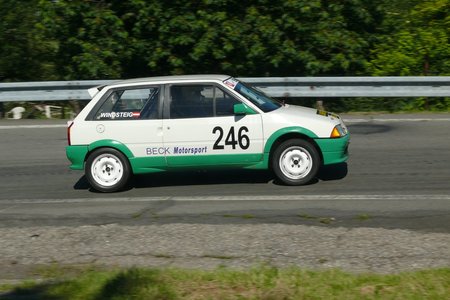
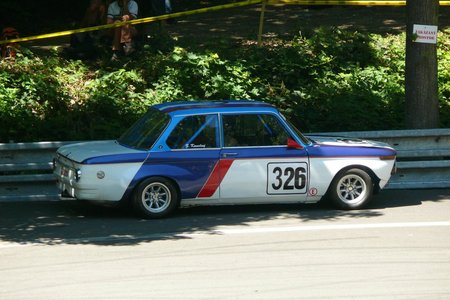
So we are getting to the race itself. It was not only part of the FIA European Hill Climb Championship but also eight more championships including national Czech, Slovak and Austrian championships and two series for historic cars (European and a Czech one). As for the overall classification, there was formally one for all historic cars, one for all so called modern cars (despite in class E1H it was possible to see a car based on a Mini Cooper from 1964 or a BMW 2002), and then organisers release a results sheets where all cars were listed together, which is not always common when modern and historic cars race together in a single meeting.
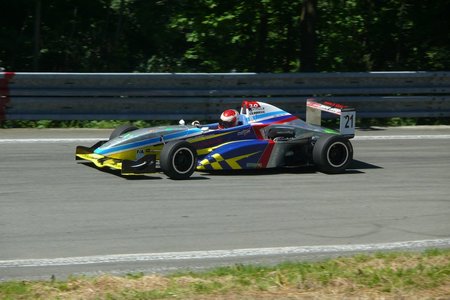
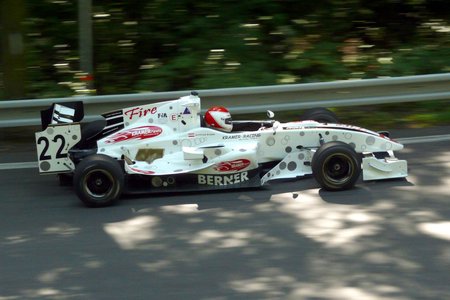
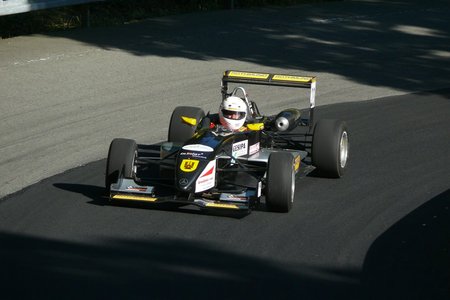
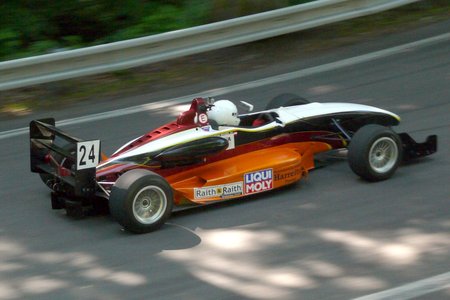
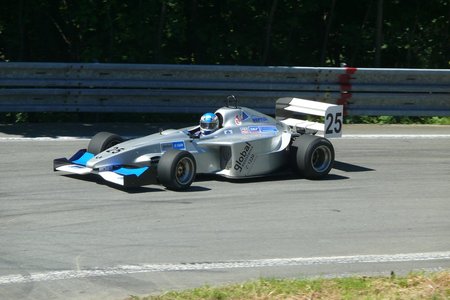
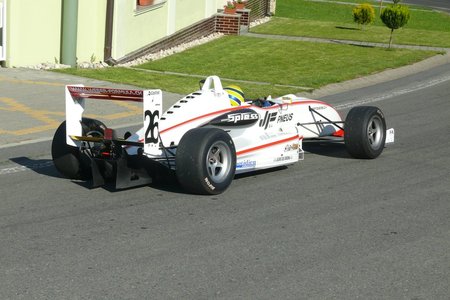
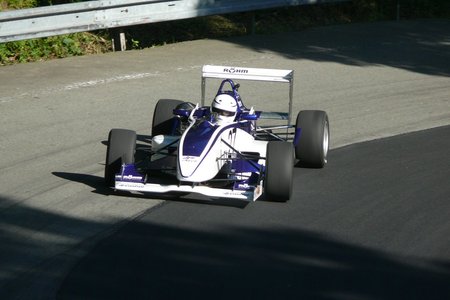
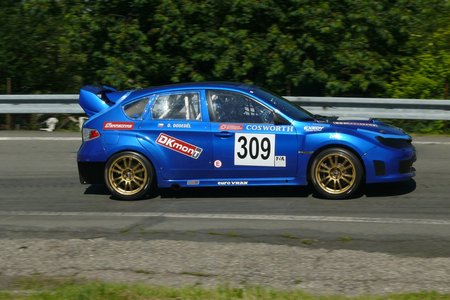
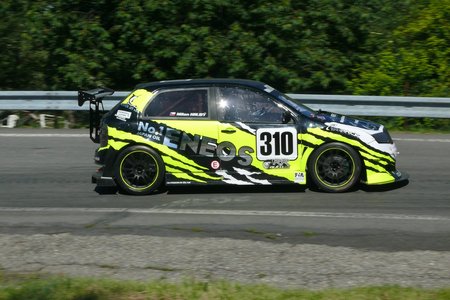
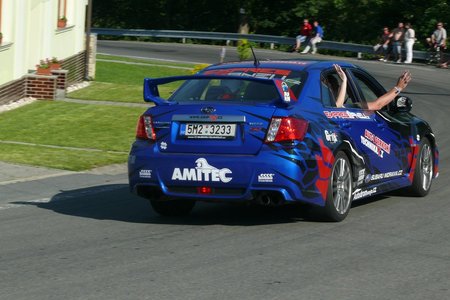
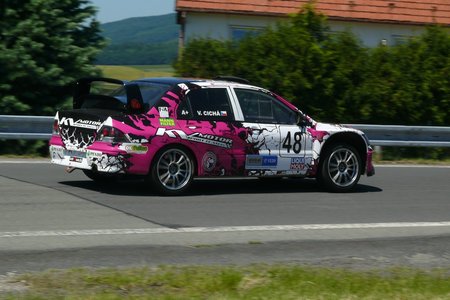
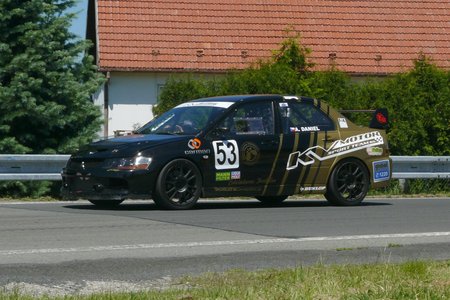
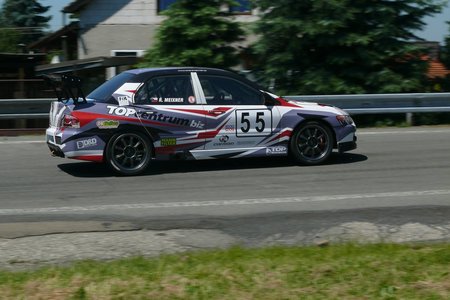
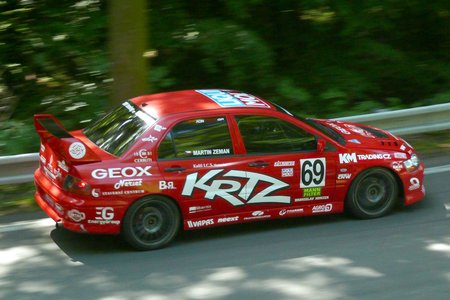
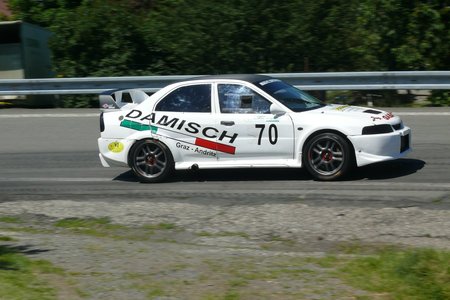
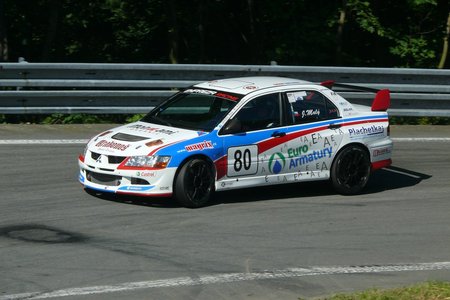
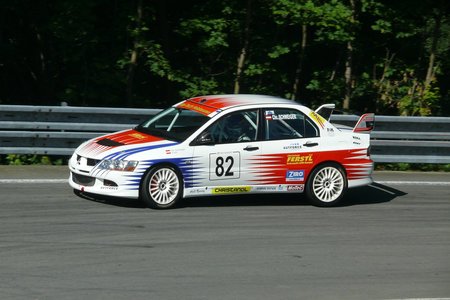
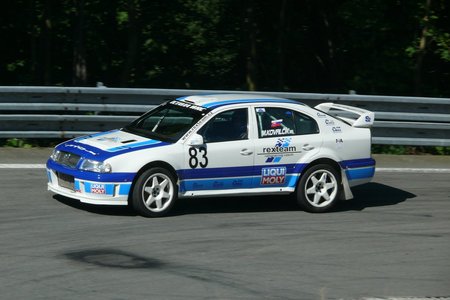
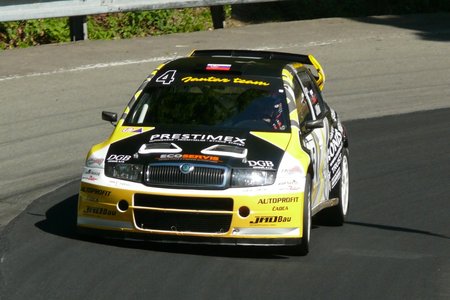
The Group A was won by Jaromír Malý and just like Group N, this was also dominated by various Mitsubishi Lancers of various evolution. Best of the rest in the Group A was Jan Miloň in his Škoda Fabia in the WRC specification, which appeared to be very quick. He was fourth in his class. On the other hand, in Group N Mitsubishi took first 8 positions ahead a Honda. Their dominance in hill climbing continues but the much wanted variety is quite obvious on all other classes, where it is rare to find a few identical cars.
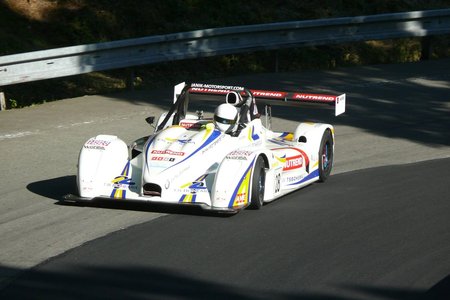
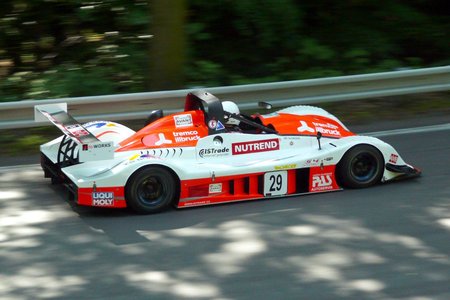
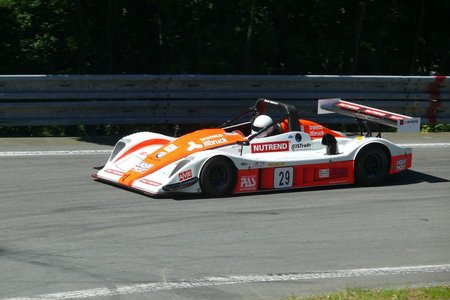
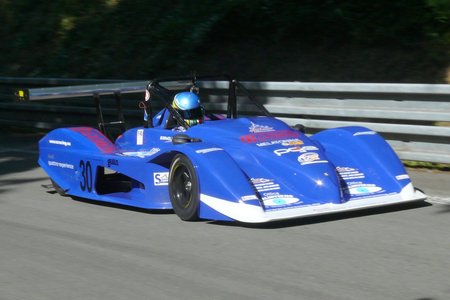
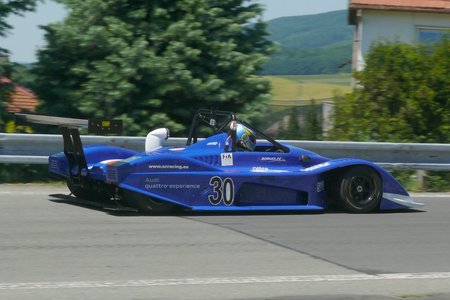
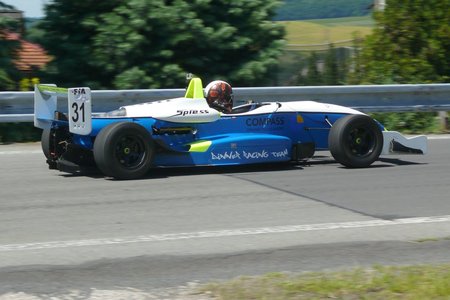
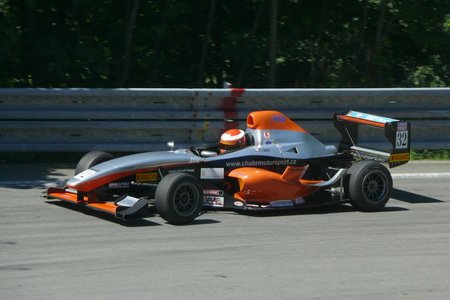
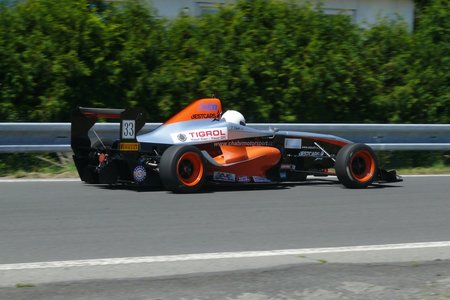
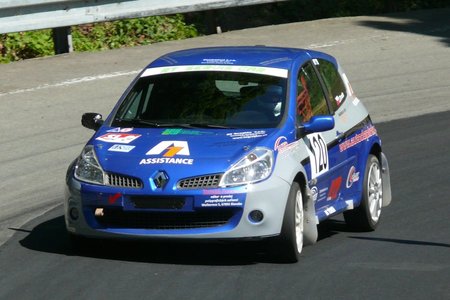
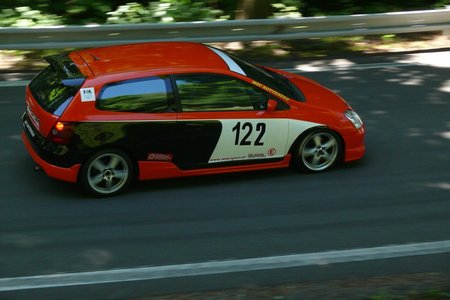
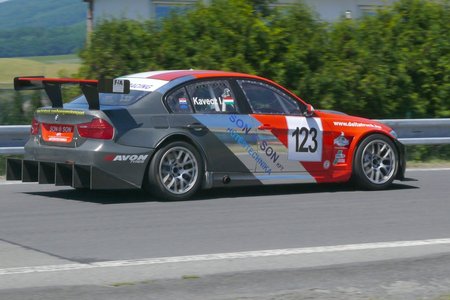
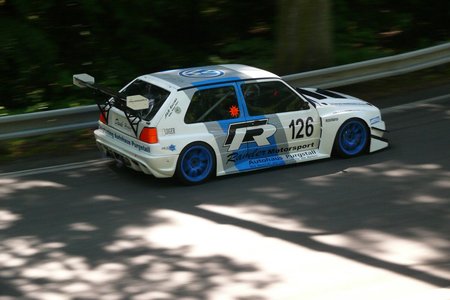
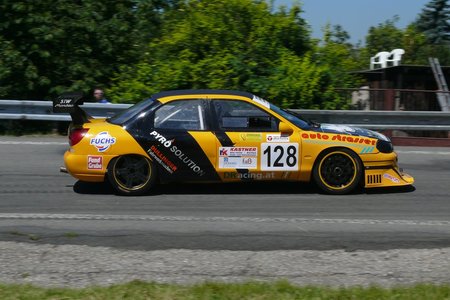
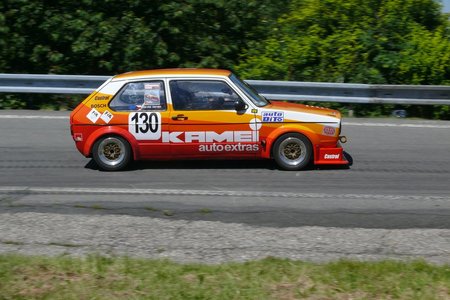
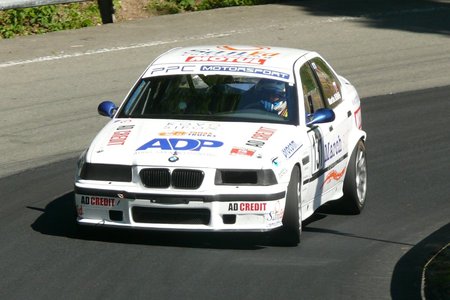
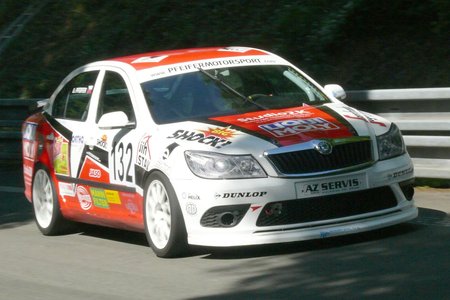
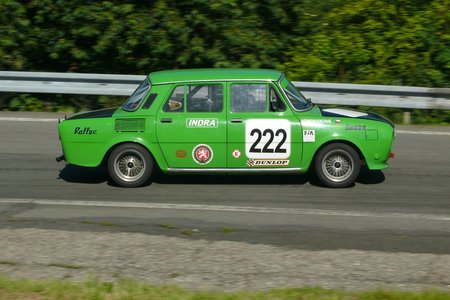
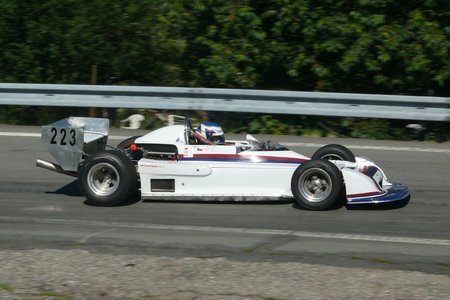
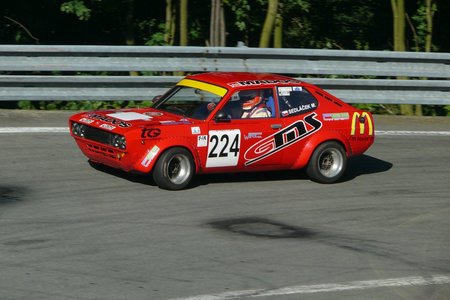
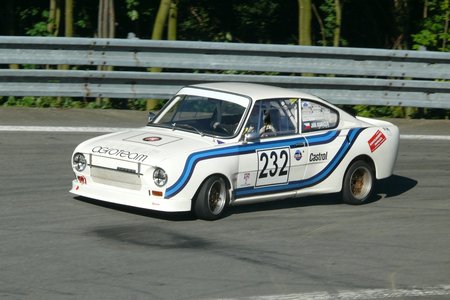
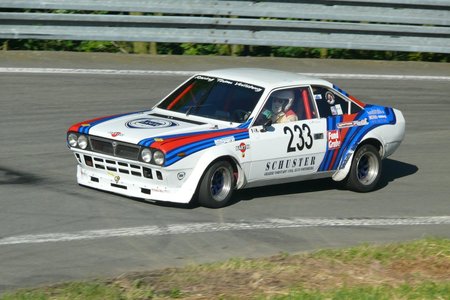
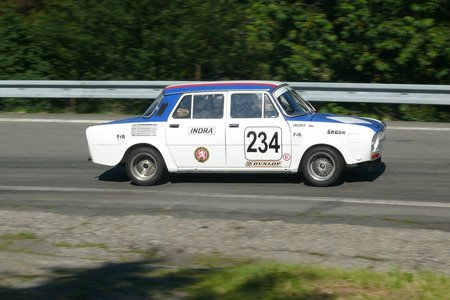
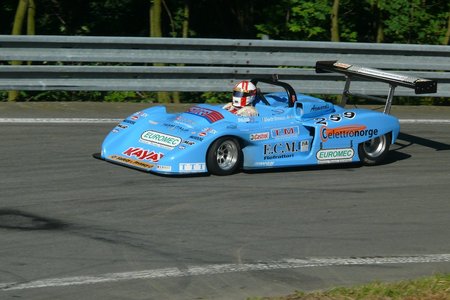
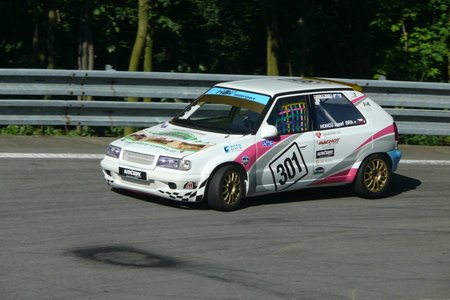
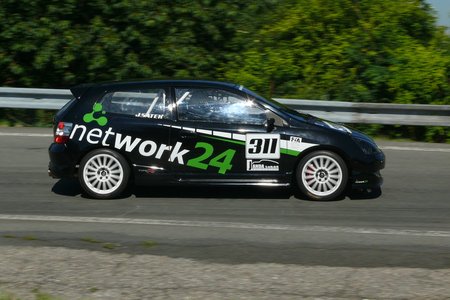
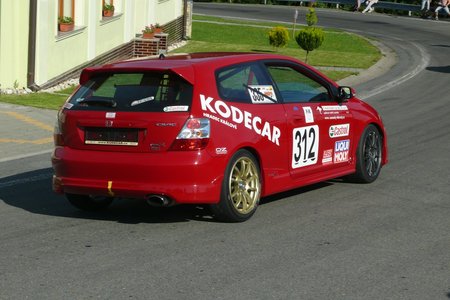
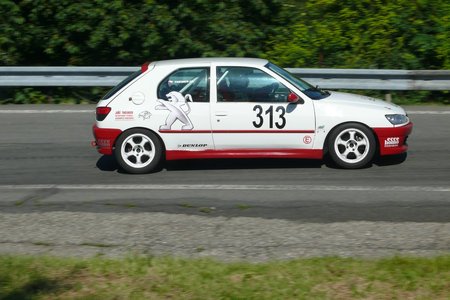
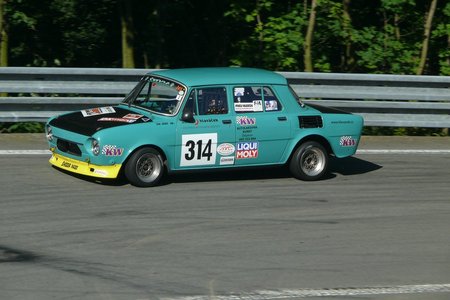
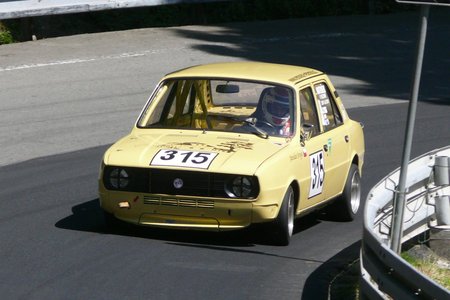
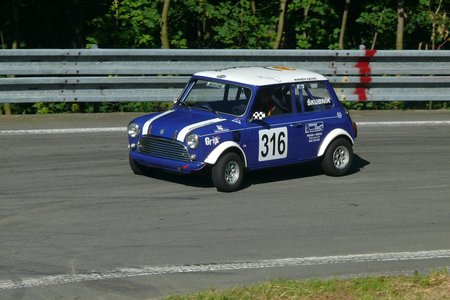
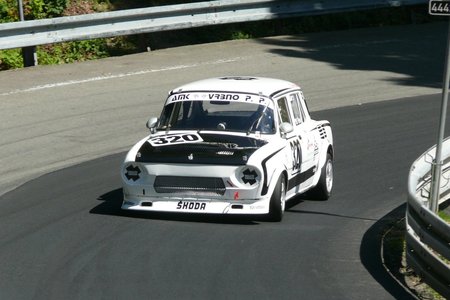
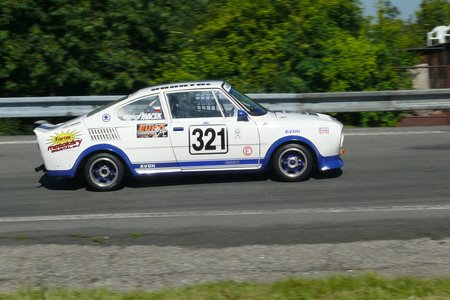
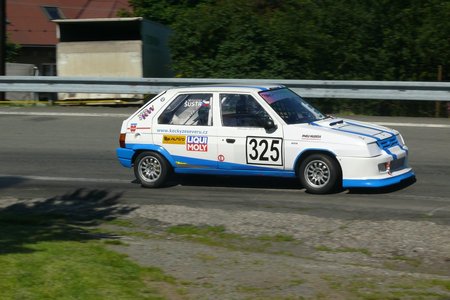
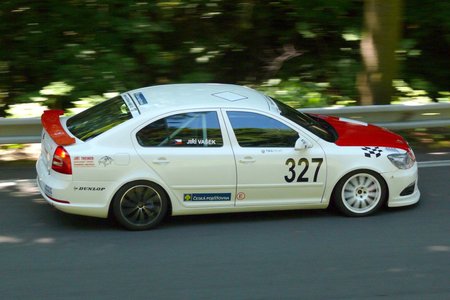
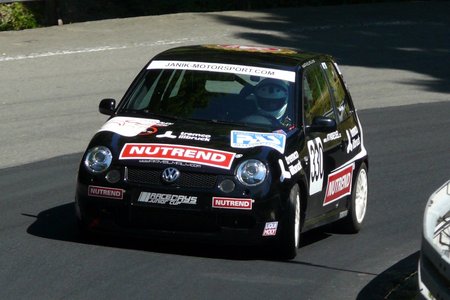
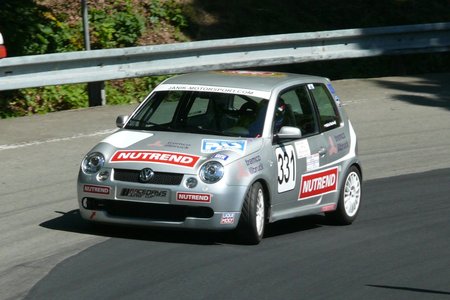
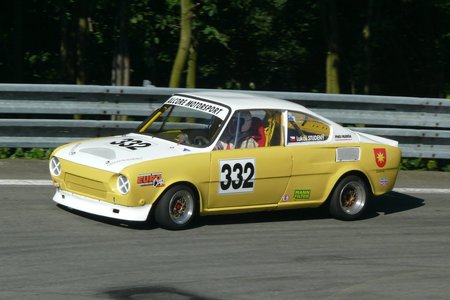
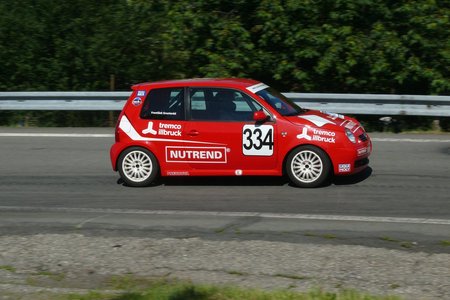
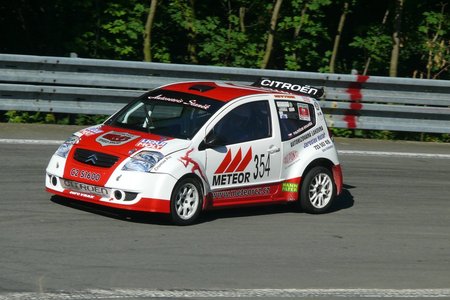
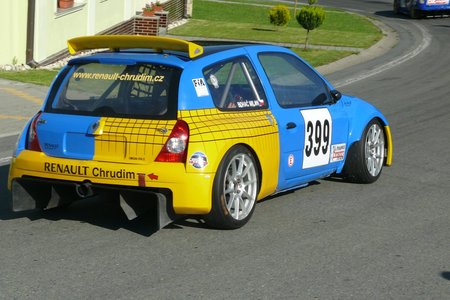
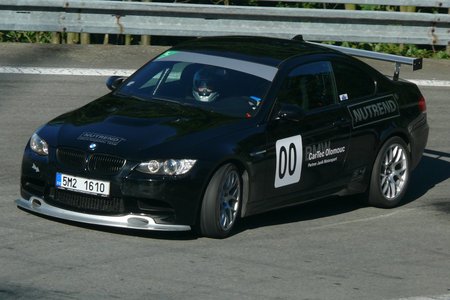
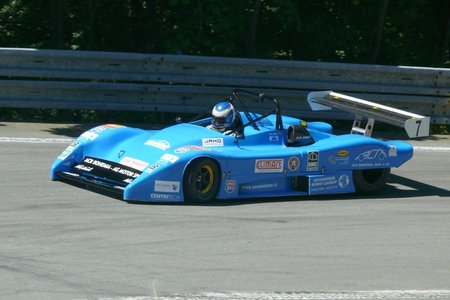
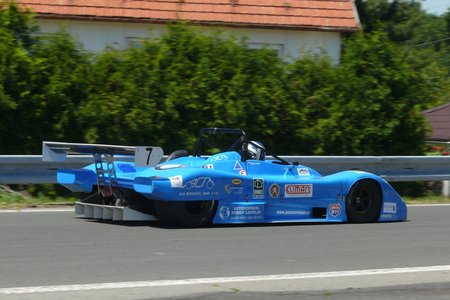
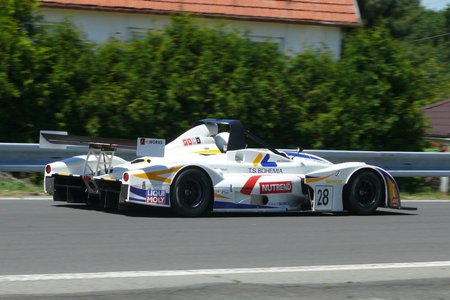
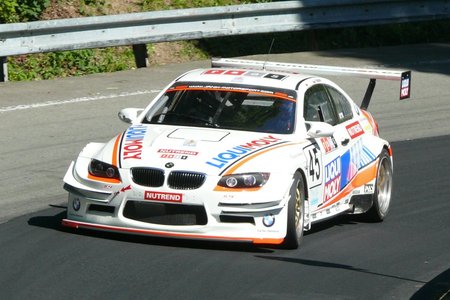
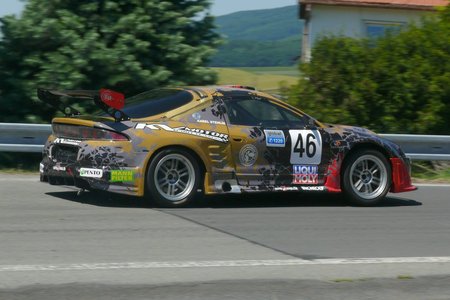
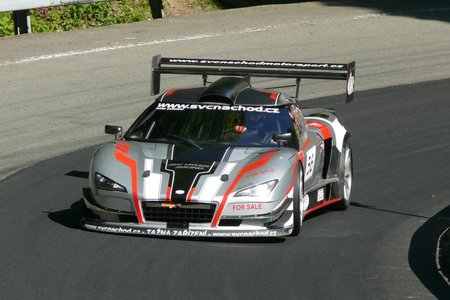
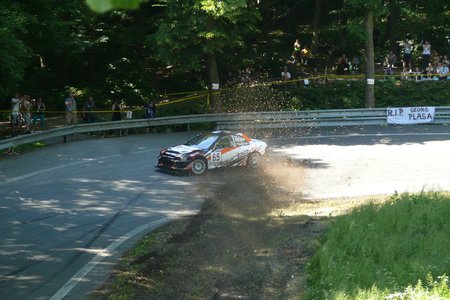
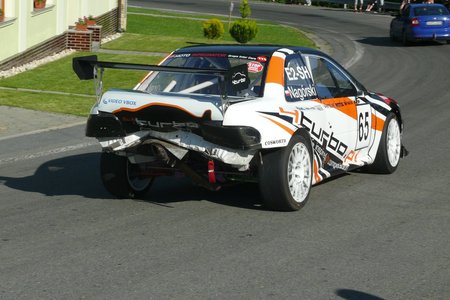
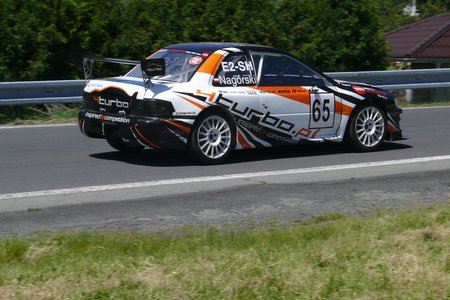
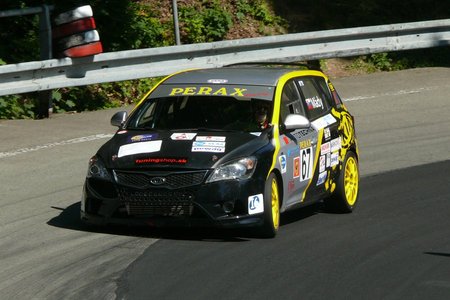
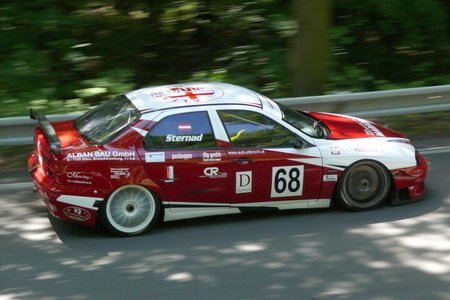
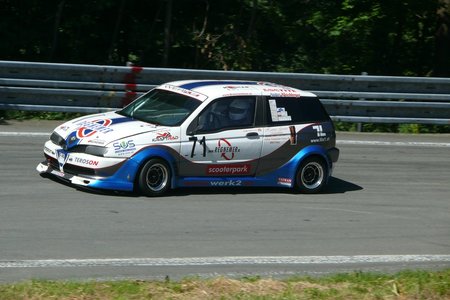
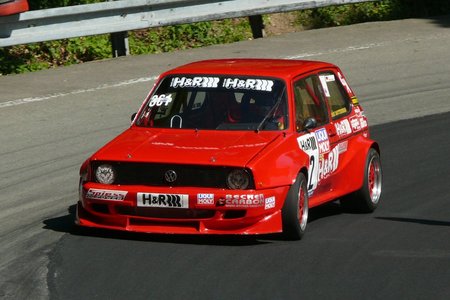
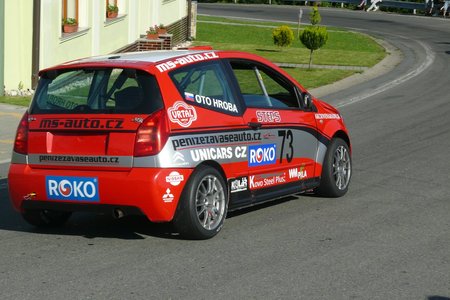
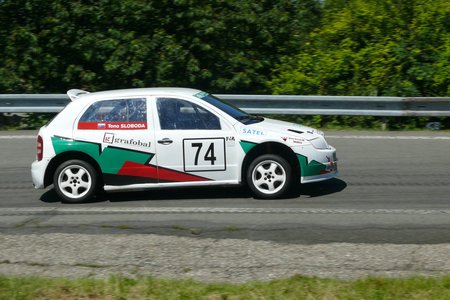
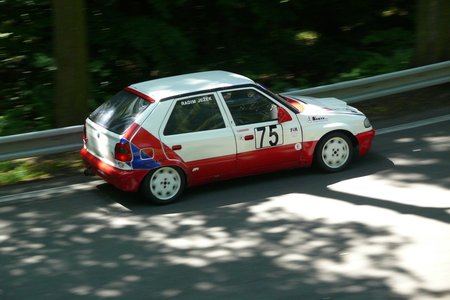
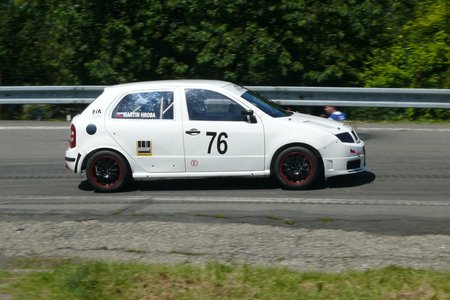
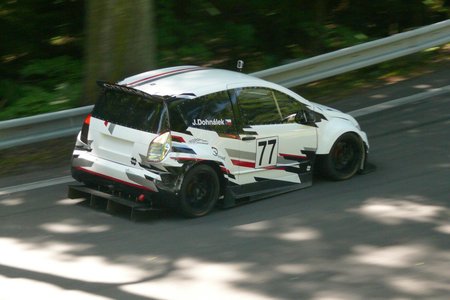
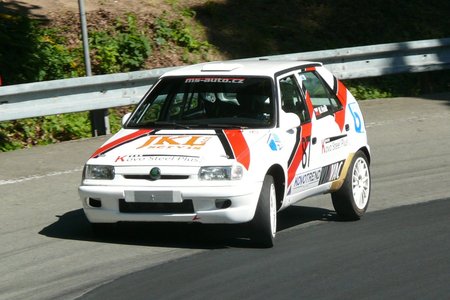
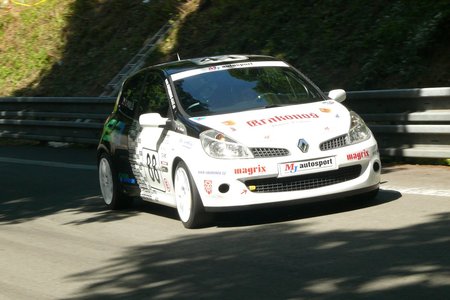
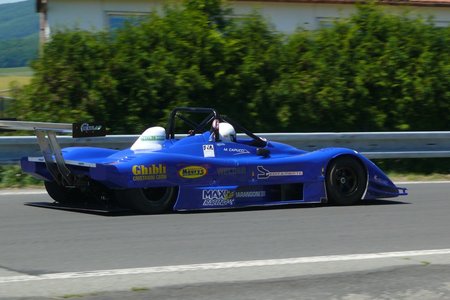
The class we speak about are not only those for special racing cars, like E2-SS (all single-seaters, including centre-seat prototypes) or E2-SC (all two-seat sports cars) but also much modified touring cars E2-SH (SH for Silhouettes), where in extreme examples it is possible to create a body on a prototype car that contains original windscreen and you get a Lotus Evora, or something similar. The rules are much more liberal than they used to be during the Silhouette/Group 5 in the early 80s. We had here also a modest field of a GT group - three cars is actually more than in EHC is usually seen anyway. The rest of the field were Groups E1 and E1H, some kind of Formula Libre for Touring cars. No homologation is required, so especially in the Group E1H we could follow plenty of Škoda 100-based cars, first generation of the VW Golf, already mentioned Mini Cooper or BMW 2002, as well as modern VW Lupo, Škoda Octavia or Renault Clio Sport.
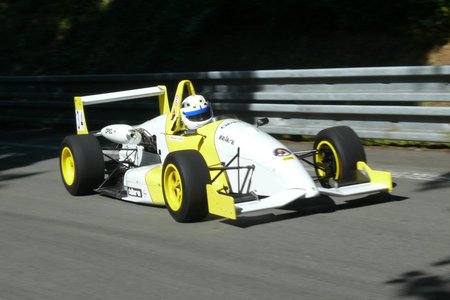
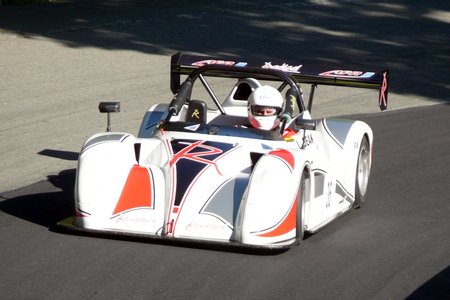
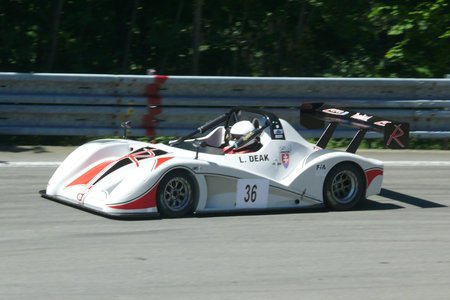
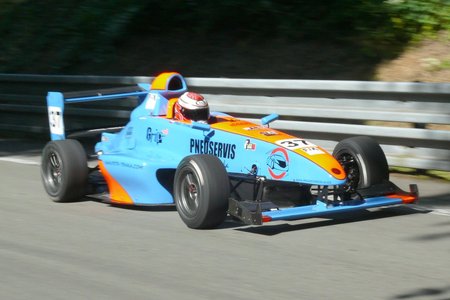
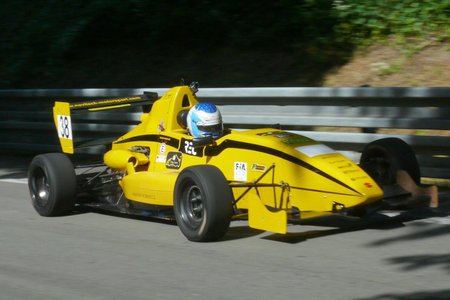
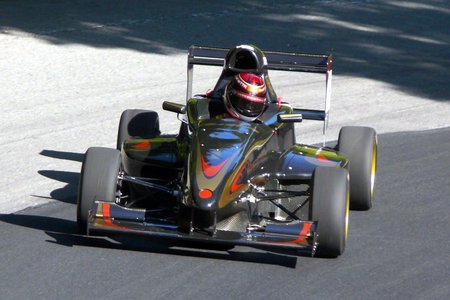
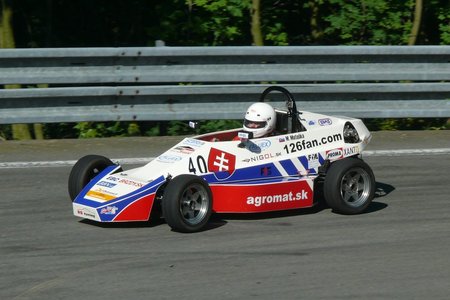
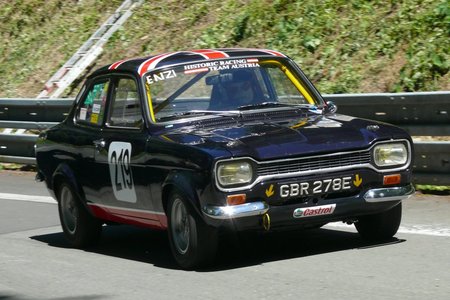
Current group structure is rather complicated and for a casual spectator hard to understand but at the same time it allows drivers to take almost whatever they find in their garage or in an advert, prepare it for the race and almost surely they would find a class to fit their creation in. And for spectators it is also a pleasure due to huge variety and parade of cars, some of which are bringing back memories from 30 or more years ago.
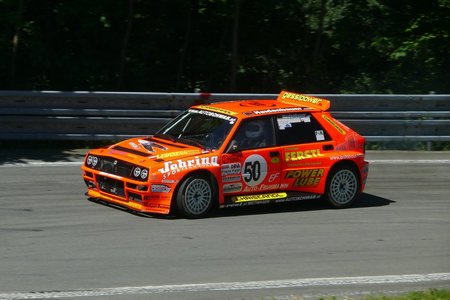
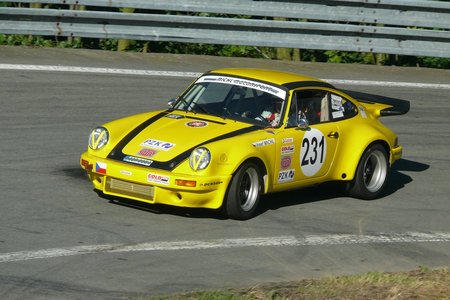
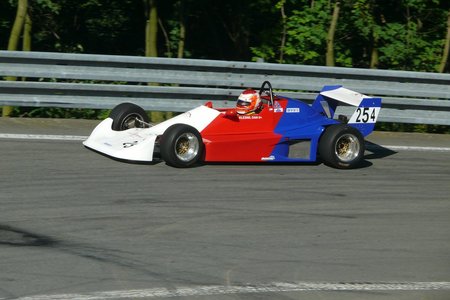
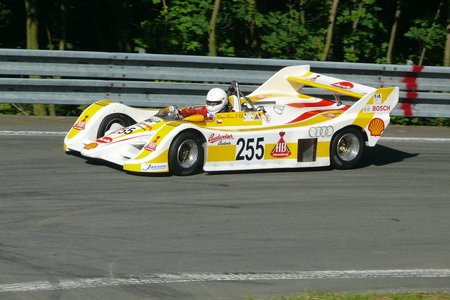
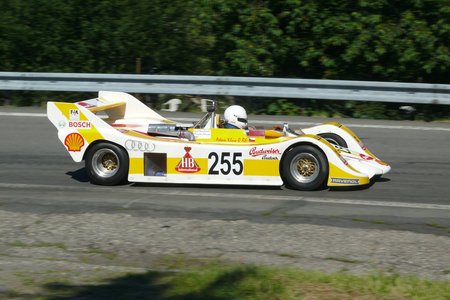
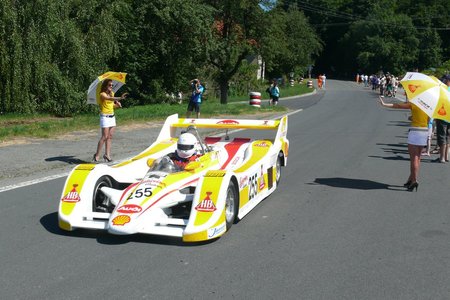
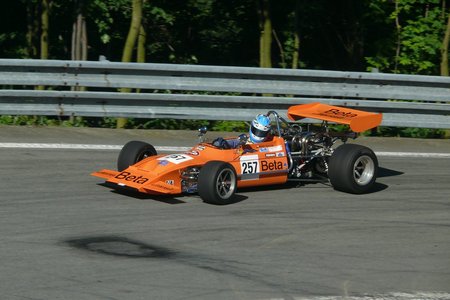
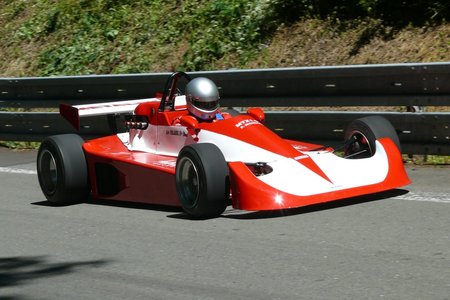
Historic cars saw a field of 39 cars. Among them two powerful Formulas 2 from the early 70s and a car than won the Ecce Homo race in 1990. Then driven by Miroslav Adámek, who is still the only local Czech driver to win the European version of this race overall. Adam Klus prepared this March HS Audi Turbo Can-Am, mainly used by Adámek in Interserie, pretty well and in the end beaten both F2. Miloš Zmeškal was a bit surprisingly second in his Formula 3 but it needs to be said that it was much newer car, just fitting the historic status. Prášek in Chevron F2 was third. Vondrák in the other Formula 2 (March from 1971) finished only fifth after losing couple of seconds in heat one, which was enough for legendary Josef Michl in his yellow Porsche 911 RS to beat the formula in the best historic closed-cockpit car.
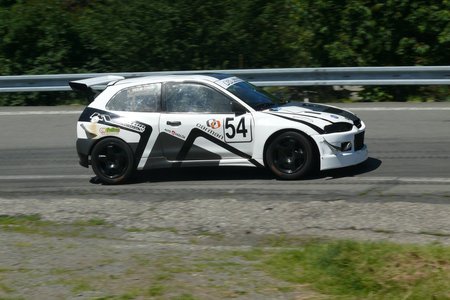
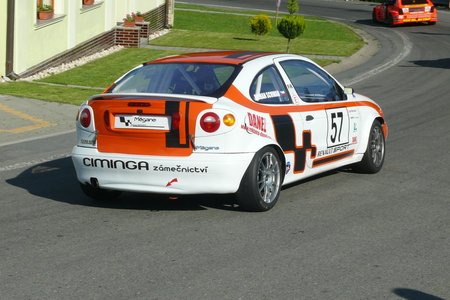
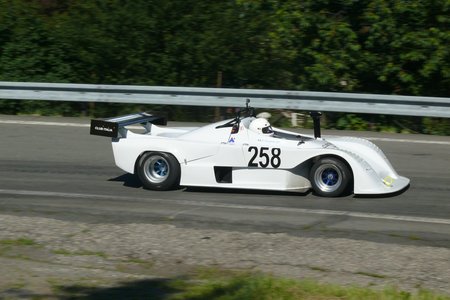
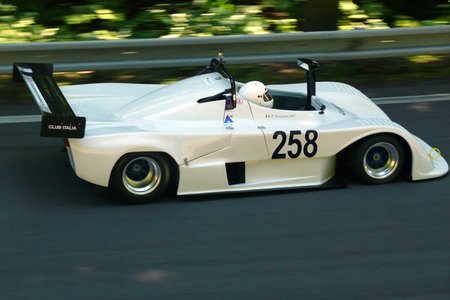
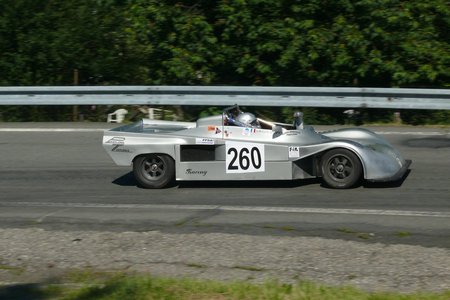
There was also one proper Group 6 prototype among the historic car race. However Roberto Turriziani from Italy was slow enough not to feature among those Czech historic giants named above. In his pretty purely white Osella PA N Sport Nazionale, he could not finish better than seventh; though still by far the best foreign driver. The situation could have been quite different if very fast Italian driver with another Osella (PA9/90 Group C3) had not to retire after the practice and pack home on Saturday evening.
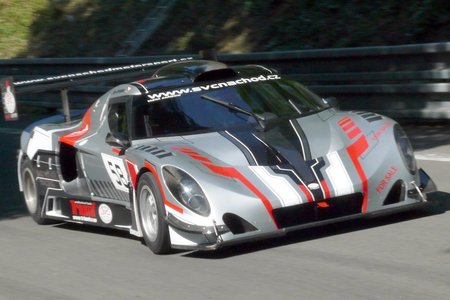
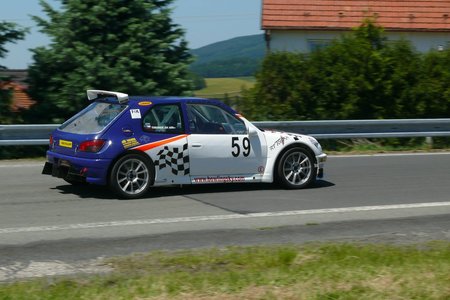
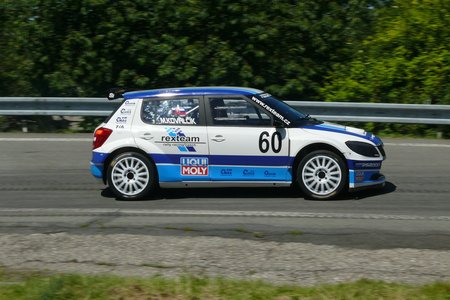
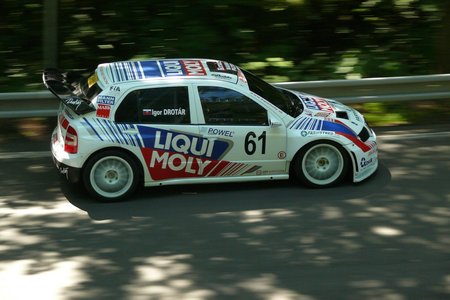
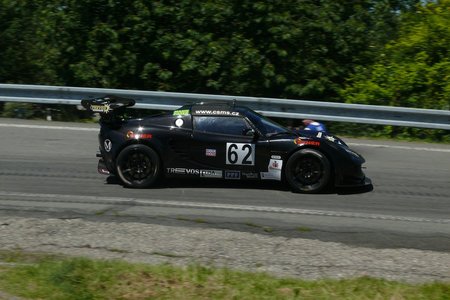
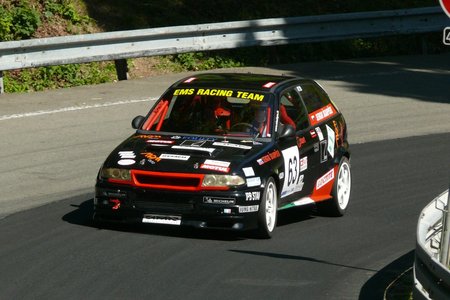
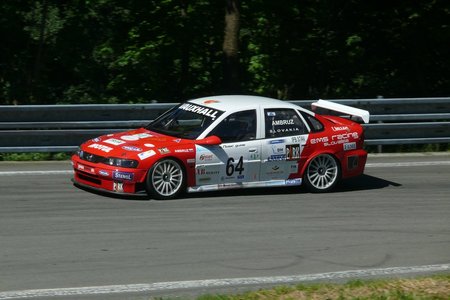
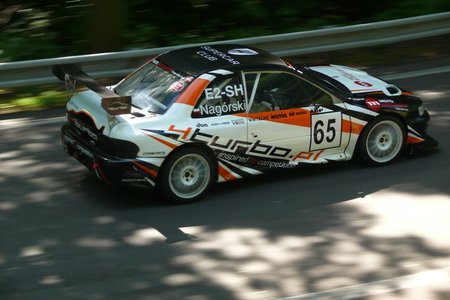
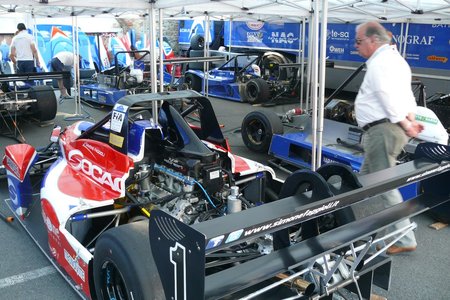
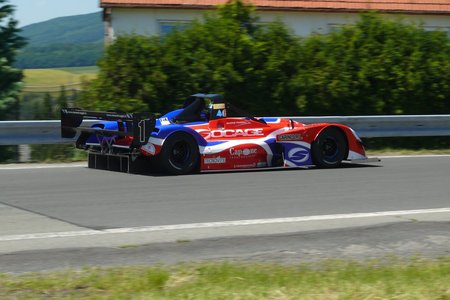
Just for the sake of completeness, let us add that Adam Klus, the historic car winner, was classified 44th overall. The hottest favourite for the overall honours was, off course, current king of hill climbs, Simone Faggioli, who after many years with Osella, took a new challenge, with a Norma. While he was still fastest in practice, Simone was sure that the does not work so well, to break the track record - his recent tradition - this year. And he was right. A Czech driver Miloš Beneš in an Osella FA30 (the last quick Osella of the PA/FA30 series in the field, the only other was even slower than Škoda Fabia WRC in class E1!) was actually pretty closed to Faggioli. But Beneš was not satisfied with his car handling as well.
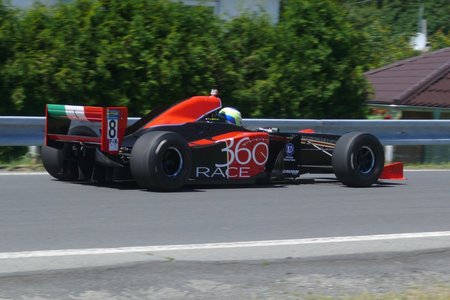
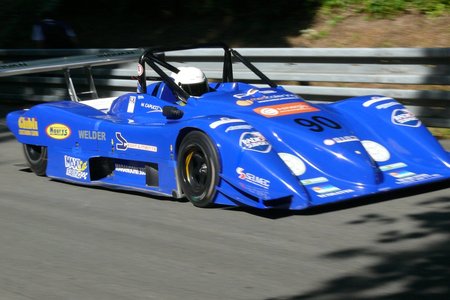
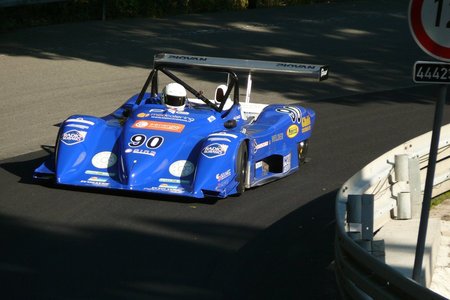
After the first race heat Faggioli had already 4 second lead over Fausto Bormolini (Reynard K02) and another second ahead of Miloš Beneš, running his single-seat Osella FA30 for point within the formula class. Next three positions also belonged to formula cars: Reynards of Otakar Krámský and Federico Liber, and a Lola of Václav Janík, who was the first driver not breaking the 3-minute limit. Komárek and Nevěřil, both in same Normas N20 FC as Faggioli, followed in positions seven and eight overall, filled the rest of the Sports Car (E2-SC) podium in heat one.
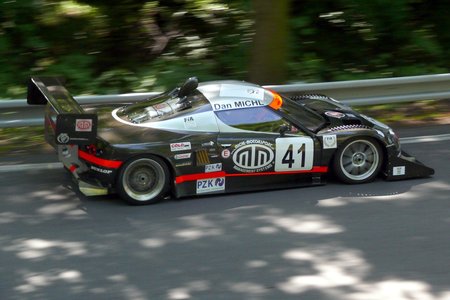
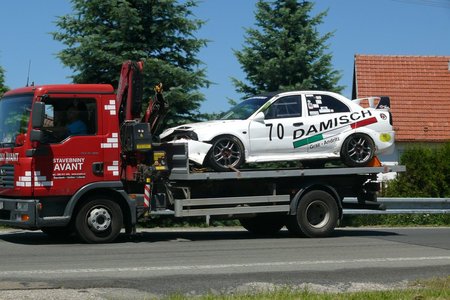
The best two-seater Osella was 13th in hands of Francesco Conticelli. He was even behind the fastest closed cars, Lotus Evora Silhouette of Dan Michl (10th) and Audi TT DTM of Vitver (11th). Both of those silhouettes had a bad luck in the second heat. Michl did not start at all, while Vitver had some collision, as already mentioned above, was almost one minute slower than in the first heat. All that dropped him back to 73rd place overall.
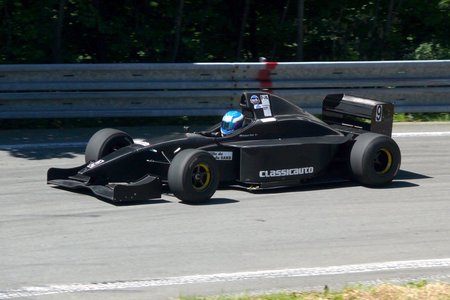
The Osella of Conticelli thus moved to 10th position, when both heats were counted together. He overtook also Waldy with a borrowed formula Tatuus. Otherwise all top nice positions were unchanged on the final standing. Simone Faggioli won the race for sixth consecutive time, following his second place in 2008. Beneš was less than a second behind Bormolini, while setting better time in heat 2. But it was not enough. Kránský, Liber, Komárek and Nevěřil all defended their positions from heat 1, as well as did ninth overall Robert Stec in an 18 years old Lola-Zytek F3000. By the way, he almost could not start the race, after he lost his clutch in practice. Fortunately, one of the drivers lent him own spare one, so the Polish driver in his plain black car could run on Sunday too.
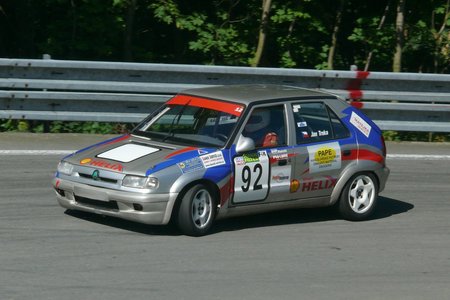
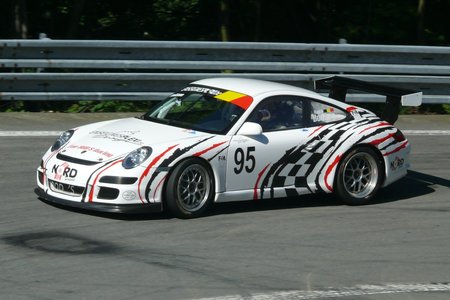
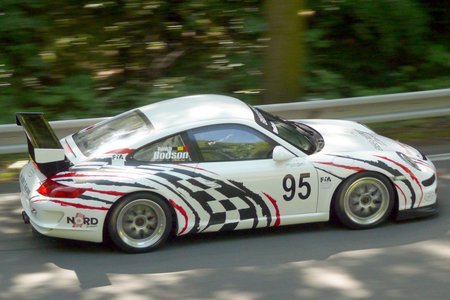
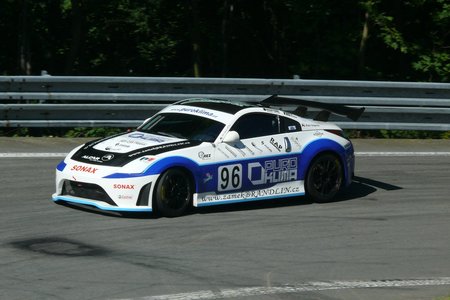
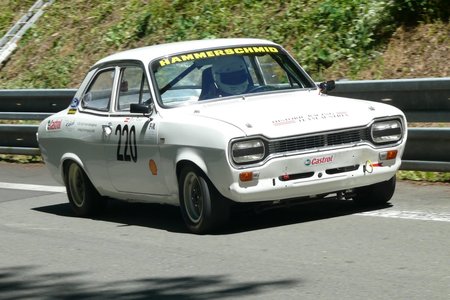
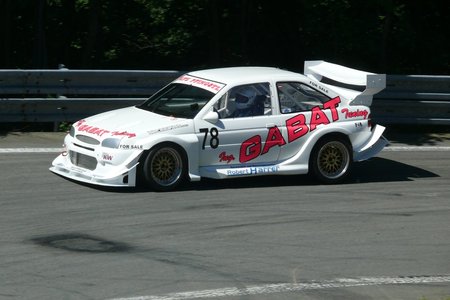
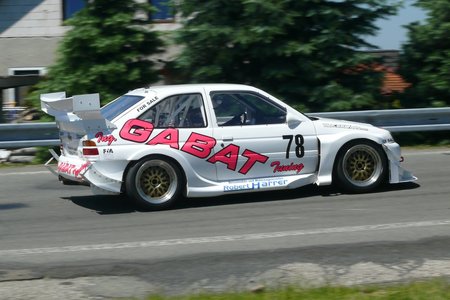
With Michl and Vitver out of competition, class F2-SH (silhouettes) went to Yanick Bodson in a Porsche 997 GT3 Cup, who was moved here from the GT class, and who was easily beaten by top 3 drivers in E1 and also best E1H entry. Actually the E1 winner was very quick Andreas Gabat with his winged white Ford Escort Cosworth. He actually beat also Waldy and was classified 11th overall, which was a very nice result for him in a proper touring car, which could have been hardly said about the losing Lotus Evora or Audi DTM.
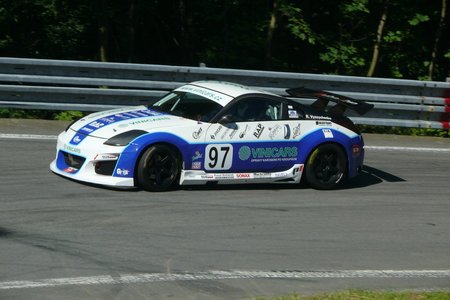
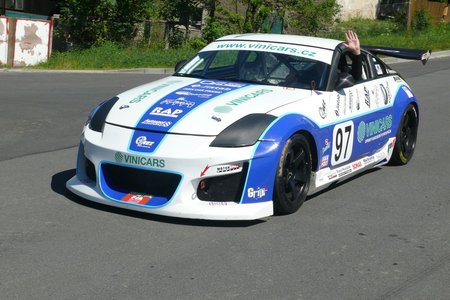
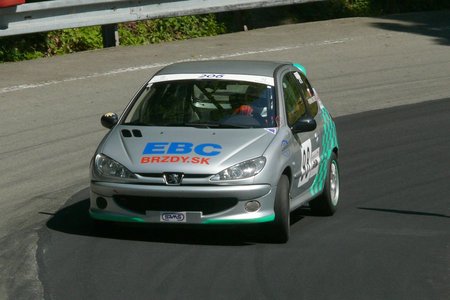
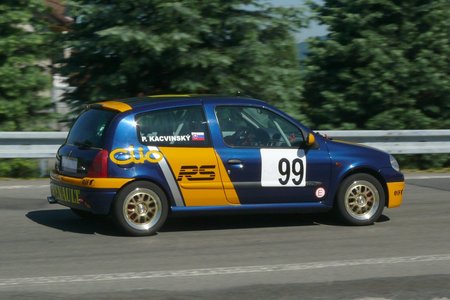
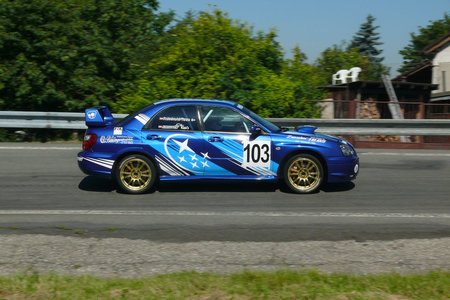
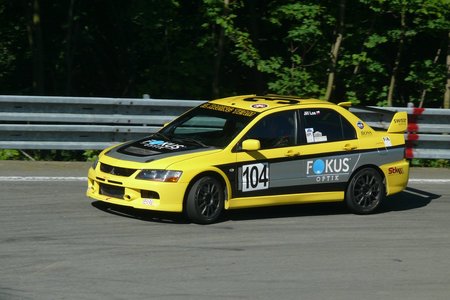
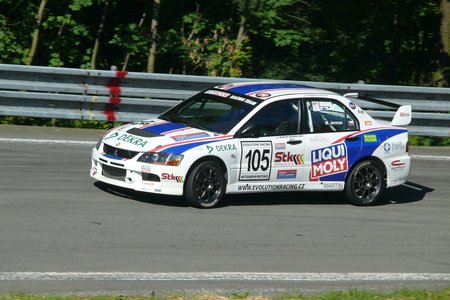
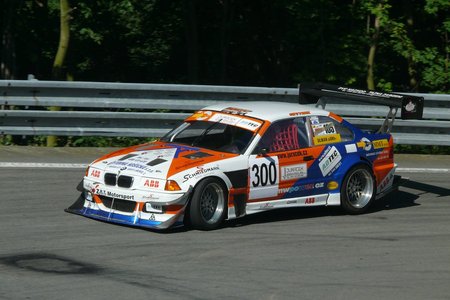
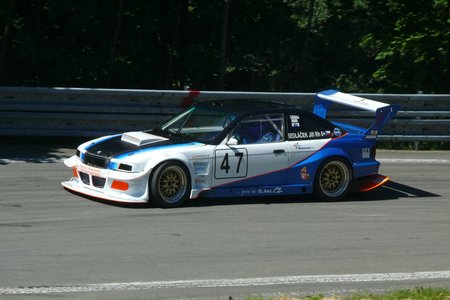
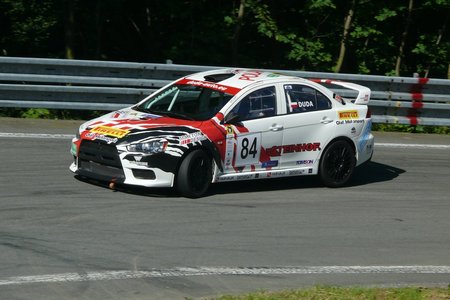
The winner of E1H was a driver from the organising AMK Ecce Homo club, Pavel Ulman, in older BMW M3 E36. To complete a list of class winners, Duda won S2000 class in a Mitusbishi and Vojáček won even slower class GT in one of his Nissans. Both classes featured just two cars, so there was paid only a very little attention to them anyway.
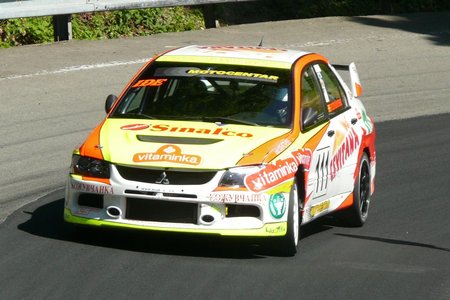
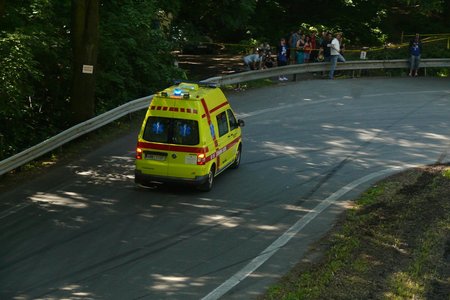
During both days, it was extremely hot. It probably influenced performance of drivers, tyres and was also demanding for many spectators, one of which needed even a call of ambulance. Now we can only look forward to the next year, when the race should be again part of the EHC calendar. By the way, the next race on our schedule was a GT sprint in Brno, a week after Le Mans 24 Hours. But it was confirmed to us that the race was cancelled after organisers received only two entries to the GT race. Only EuroV8 Series with some Ferrari Challenge as a support is not enough for us to join it. Instead of that we will be reporting another Brno race, when early in July historic Formula 1 and Prototypes within the BrnoGP Revival weekend. Now enjoy the rest of the Ecce Homo photos.