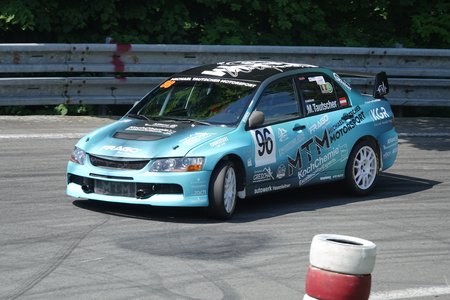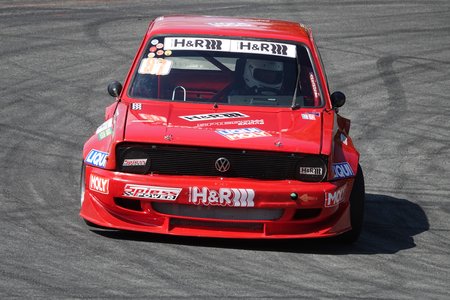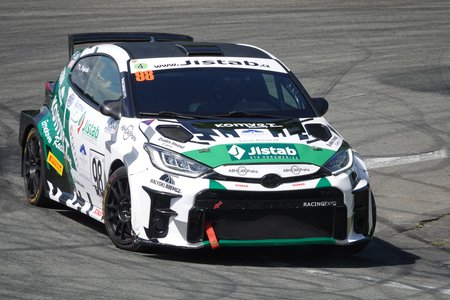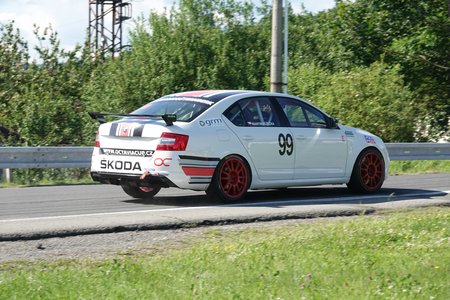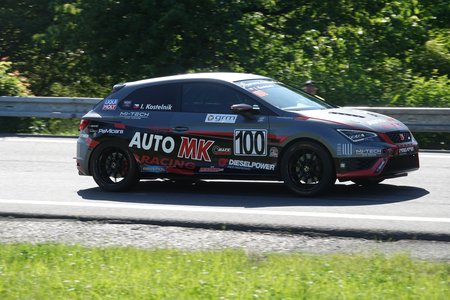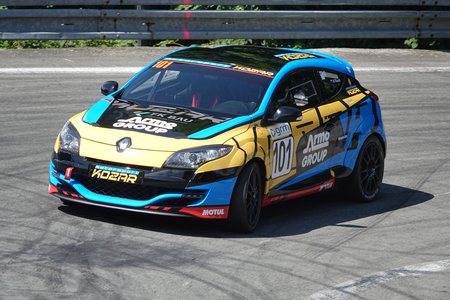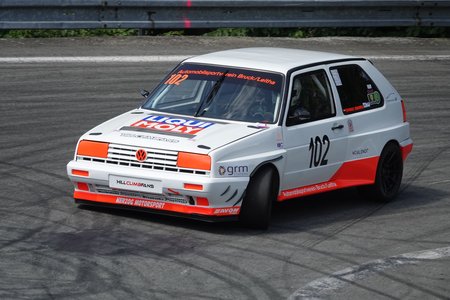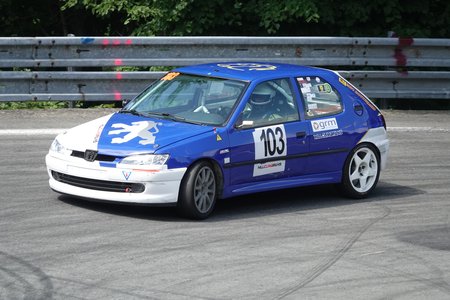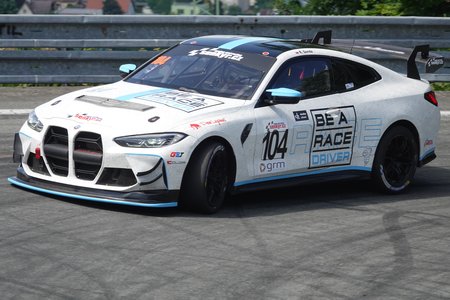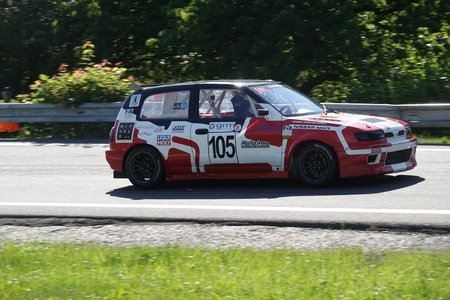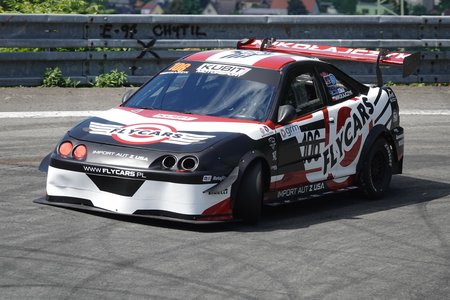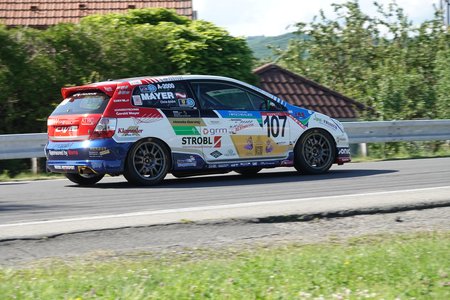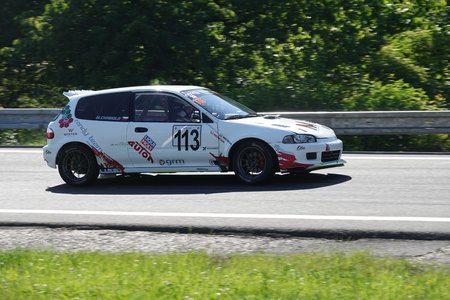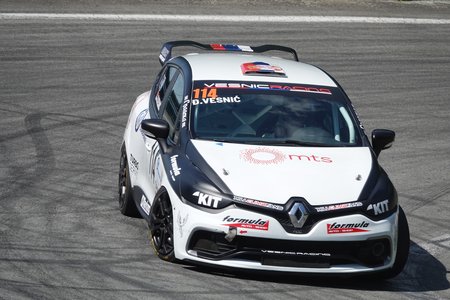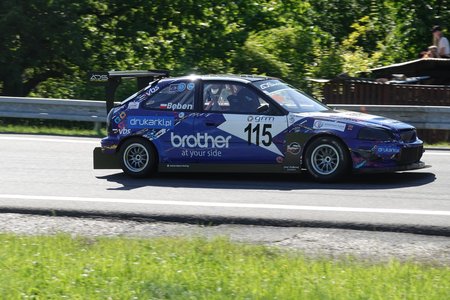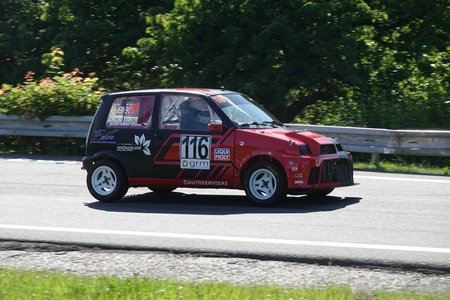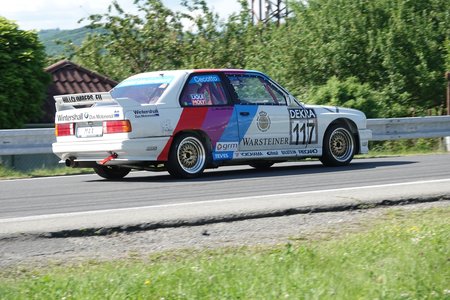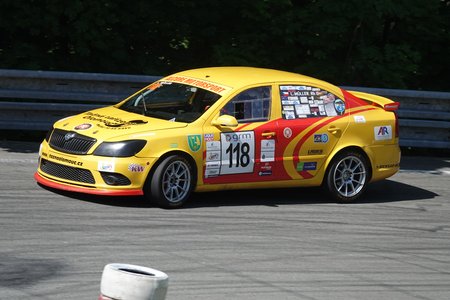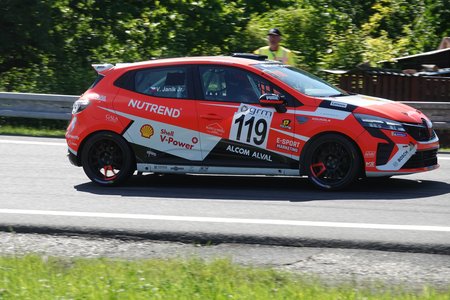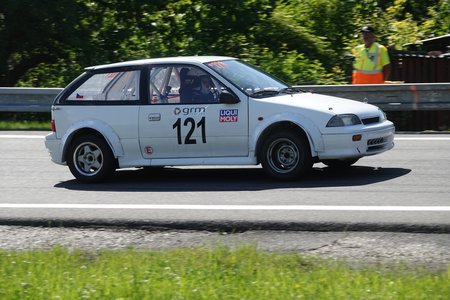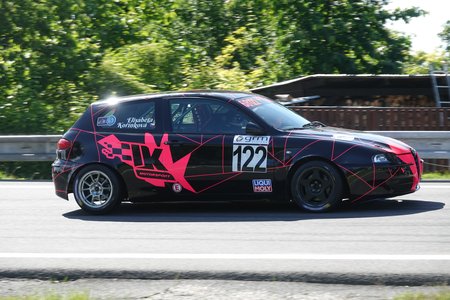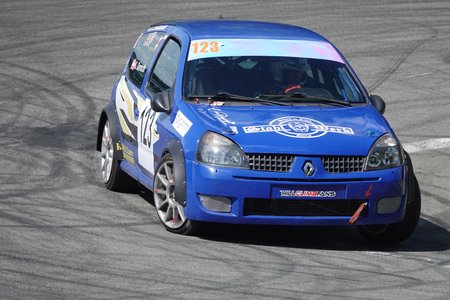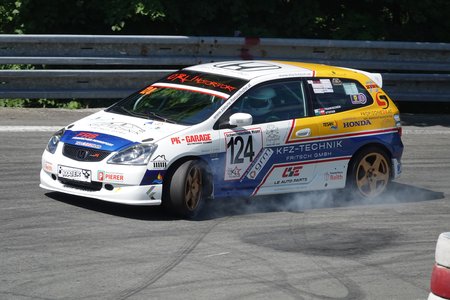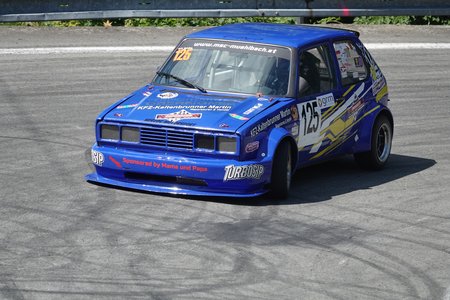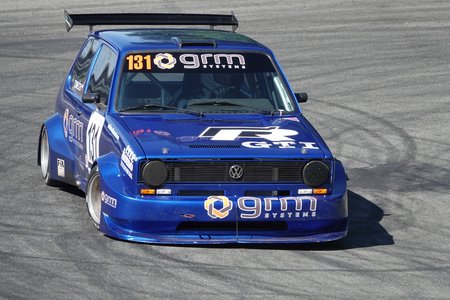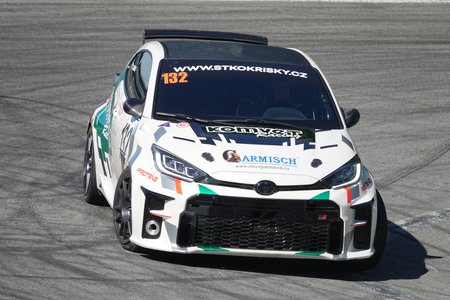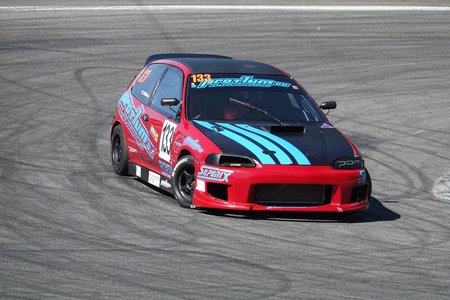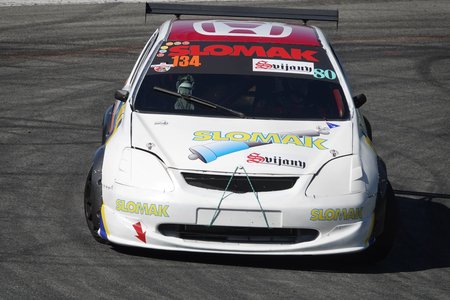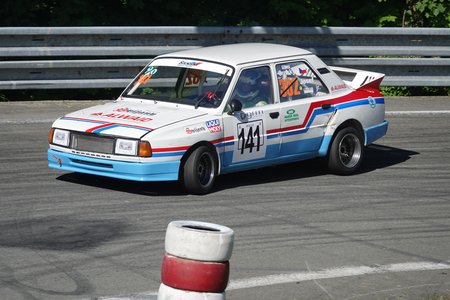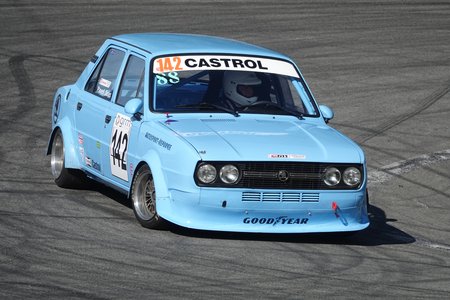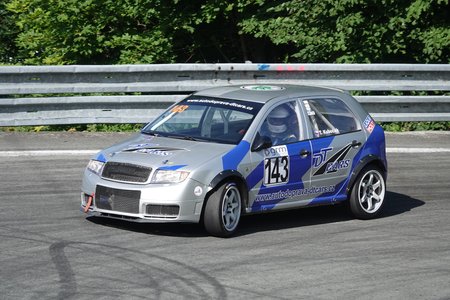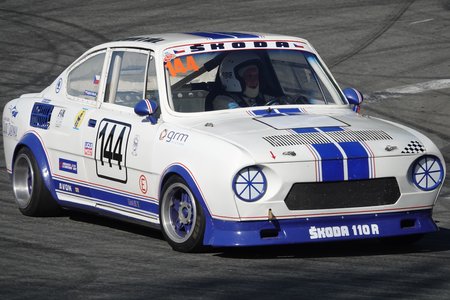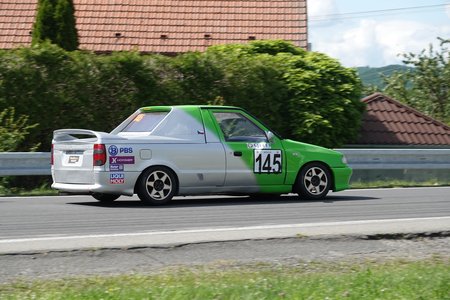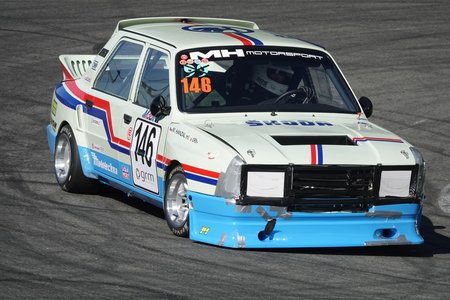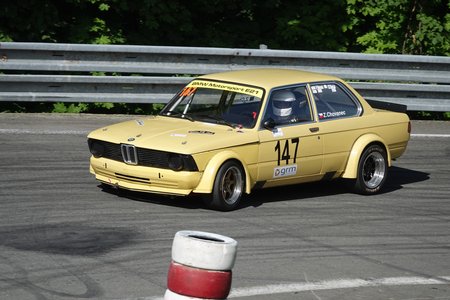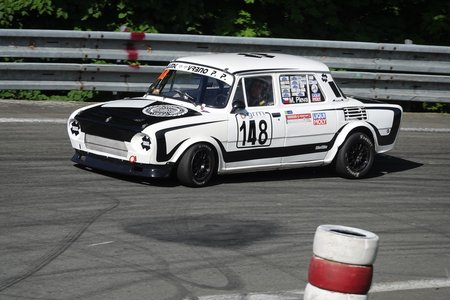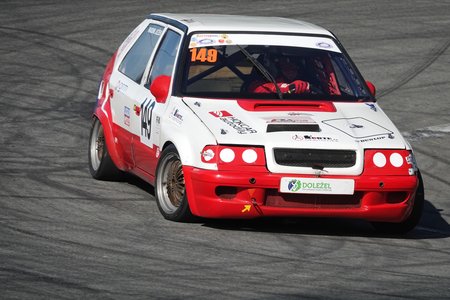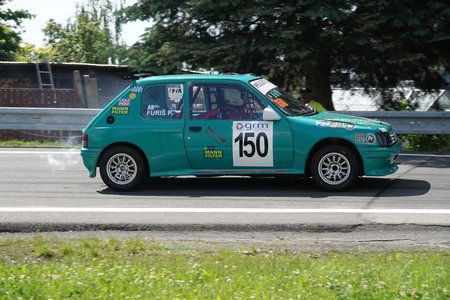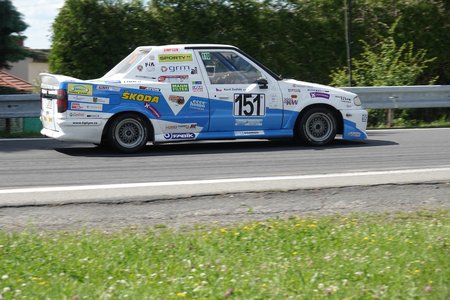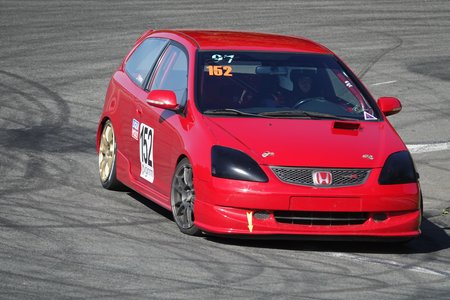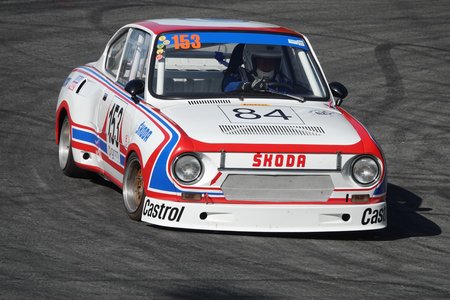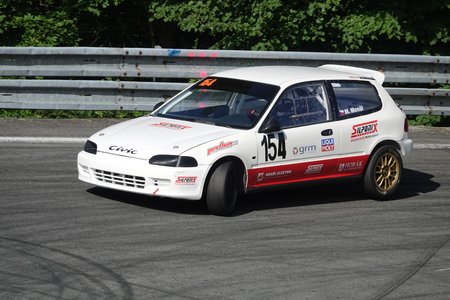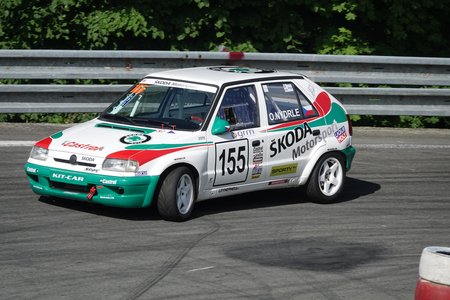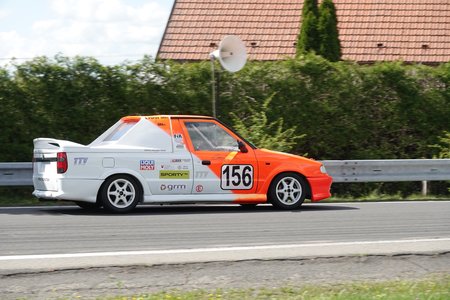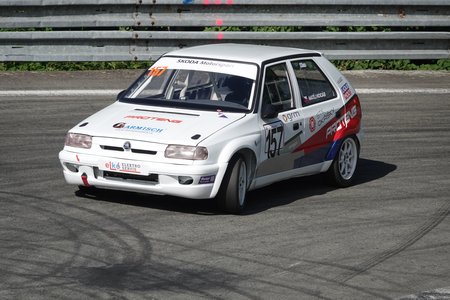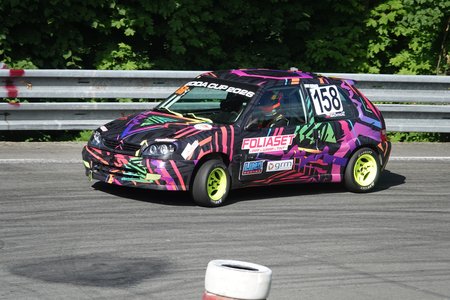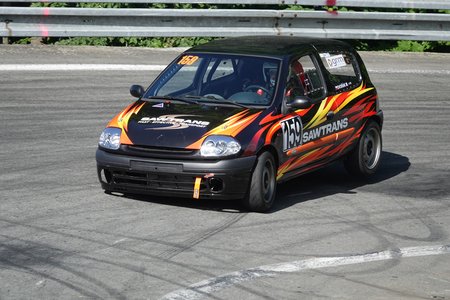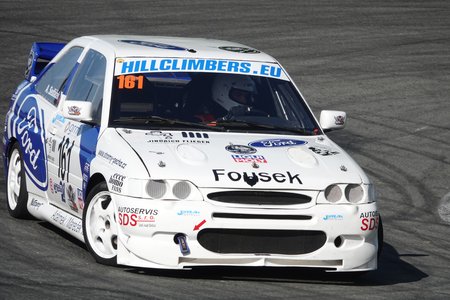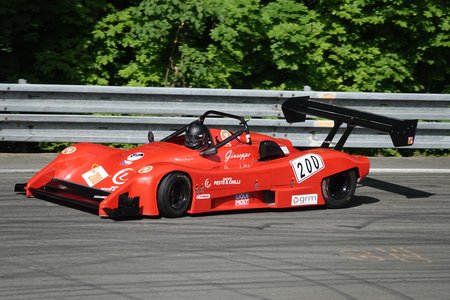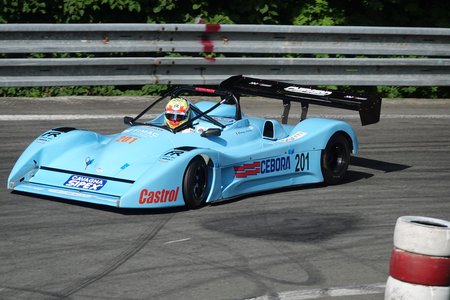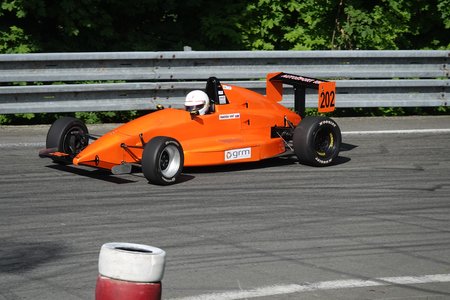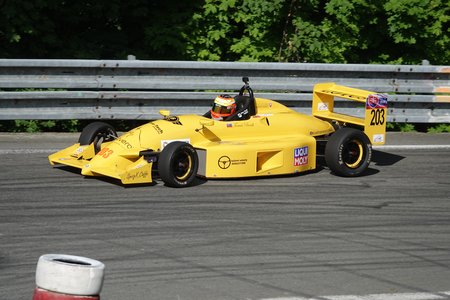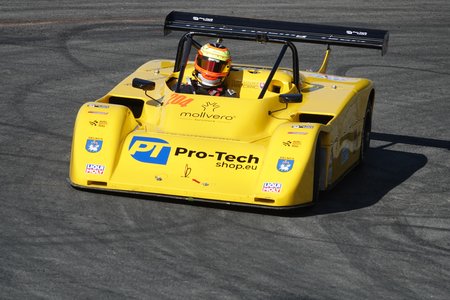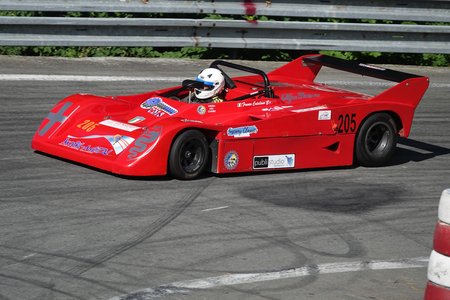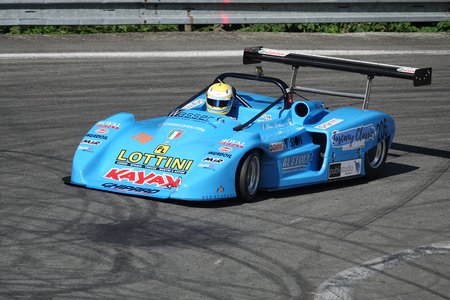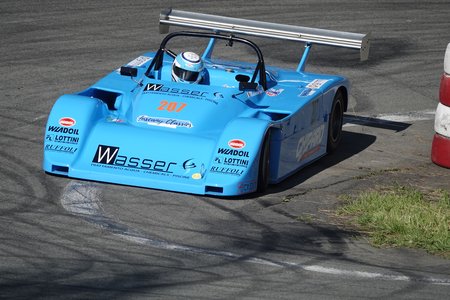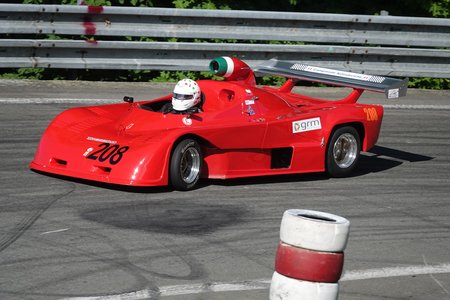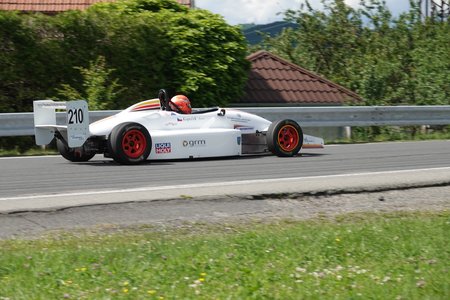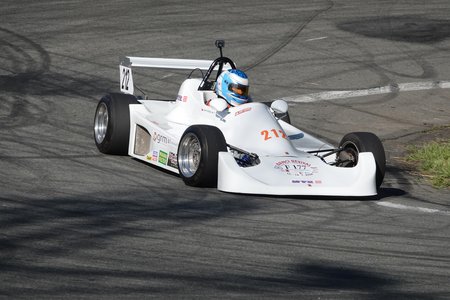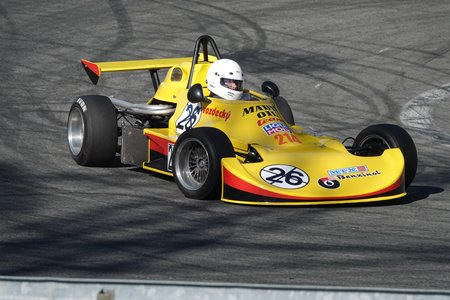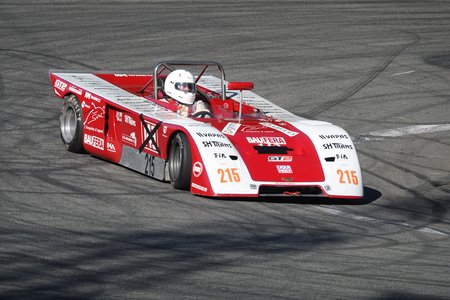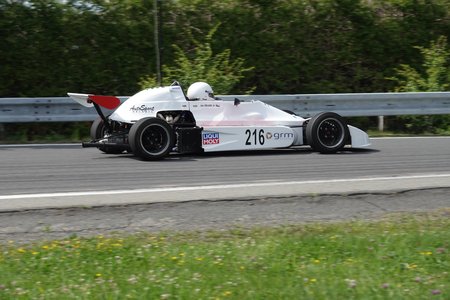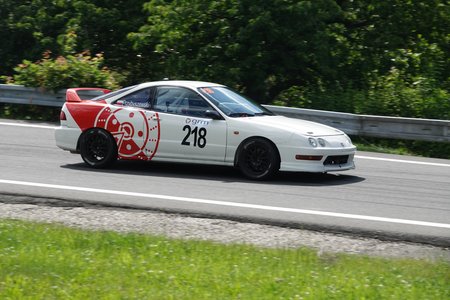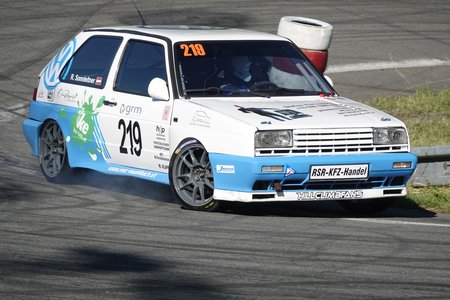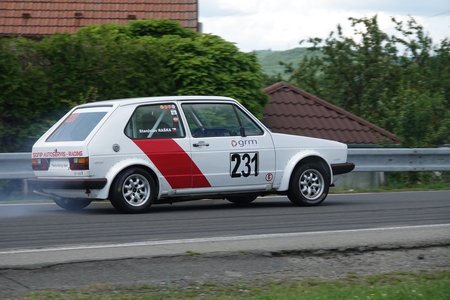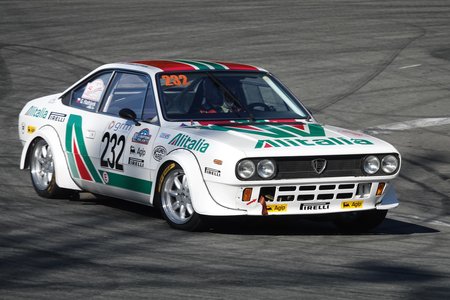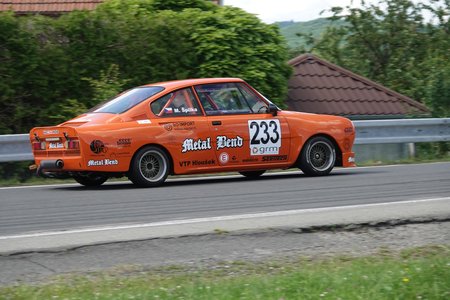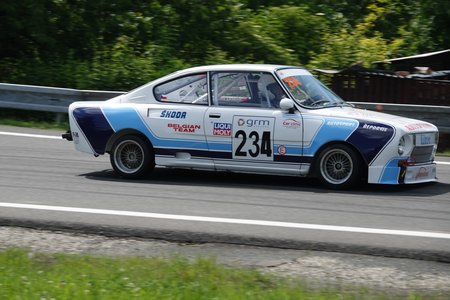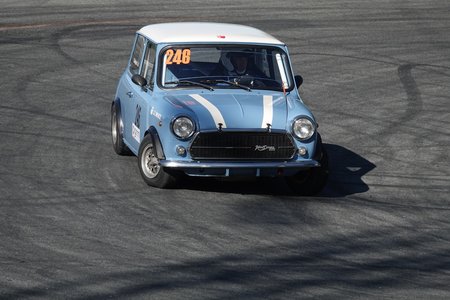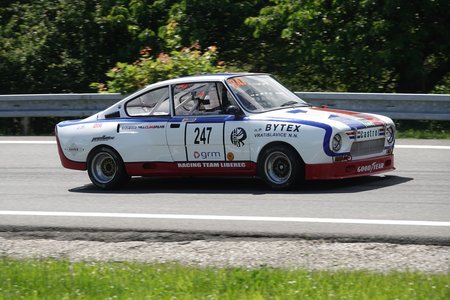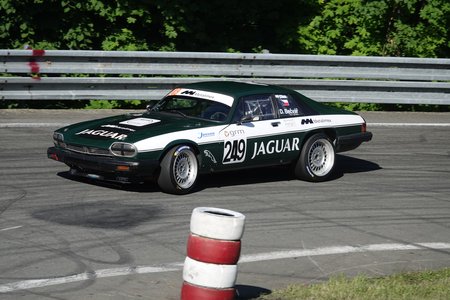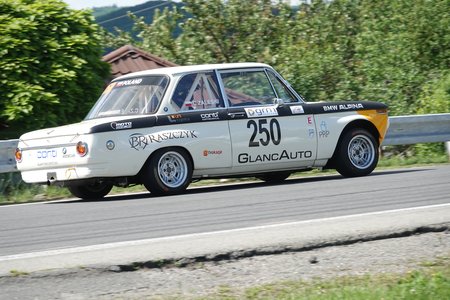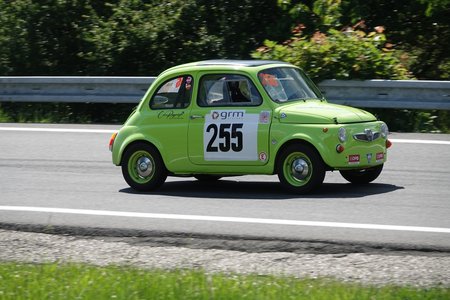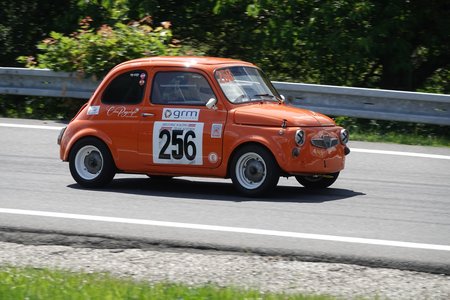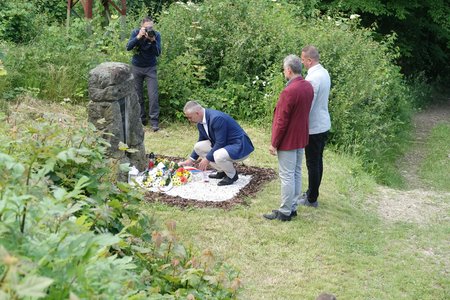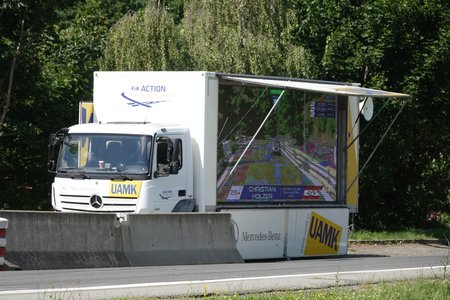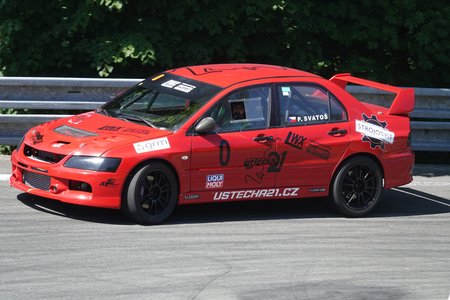
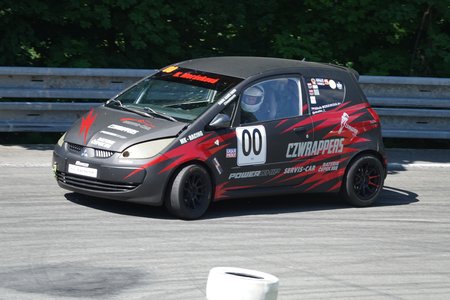
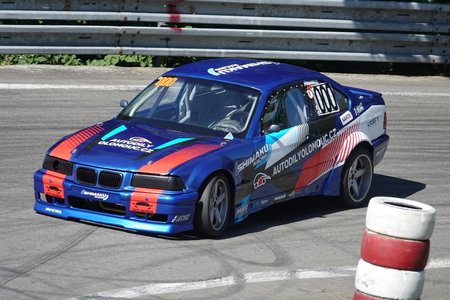
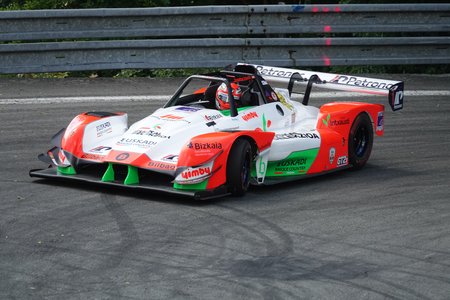
The 45th edition of the legendary Ecce Homo Šternberk hill climb delivered an extraordinary weekend of high-intensity sprint racing under clear, sunny skies. Serving as a crucial round of the FIA European Hill-Climb Championship, the 2026 event attracted 197 starters from 17 nations, including 57 elite European Championship entries. The sheer competitive drive of the field produced an unprecedented depth of performance, resulting in 73 new personal bests, 19 distinct group records, and 37 drivers eclipsing their previous track maximums during practice alone.
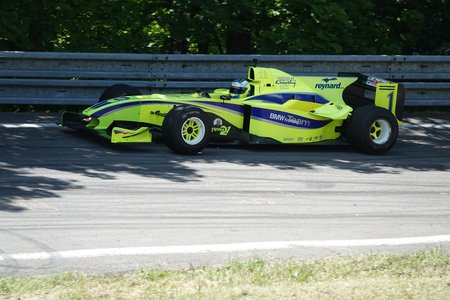
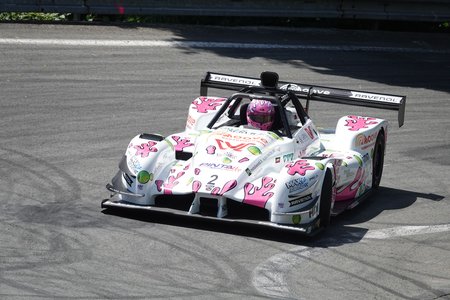
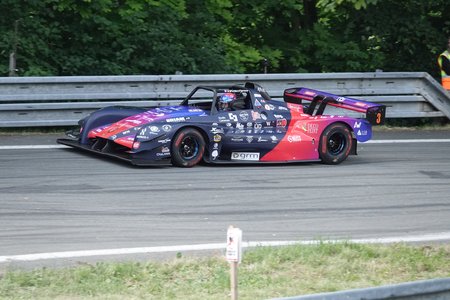
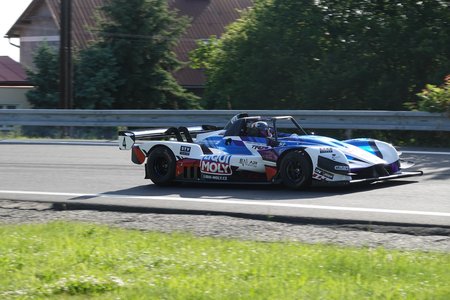
In the absolute classification, the battle at the top escalated into an intense tactical duel among the world's premier open-cockpit sports prototypes. Christian Merli secured the absolute victory with a flawless aggregate time of 5:28.450 over two heats. His single fastest sprint of 2:43.860 completely shattered the previous P1 group record by 0.3 seconds.
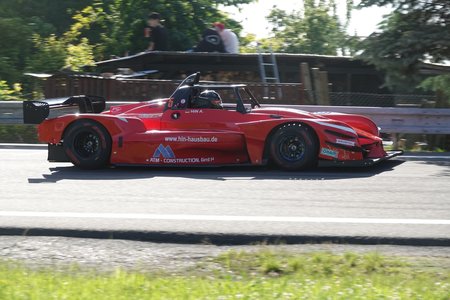
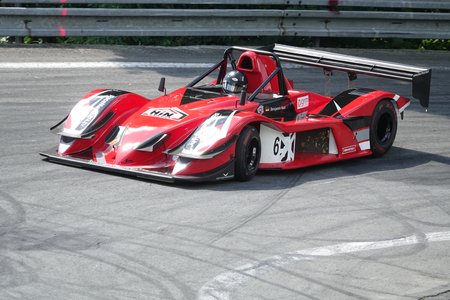
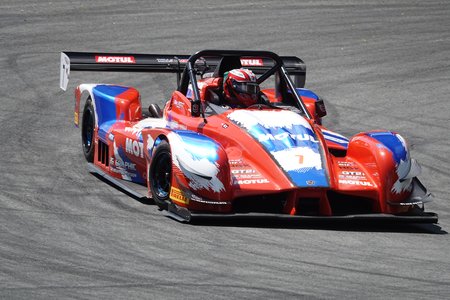
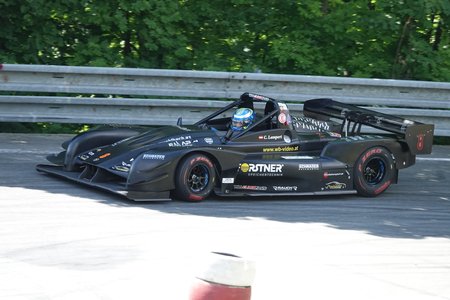
Petr Trnka delighted the home crowd by claiming a magnificent second place absolute and second in the European P1 category with a total time of 5:30.200. Trnka put on a masterclass in mechanical repeatability during Sunday's official runs, clocking a best time of 2:45.090 and executing his heats with a minuscule variation of just 0.02 seconds. Sébastien Petit completed the podium steps in third position overall at 5:30.990. Petit recorded the second-fastest individual heat among the top three contenders with a blistering 2:44.960, but a slower second run dropped him behind Trnka in the final standings.
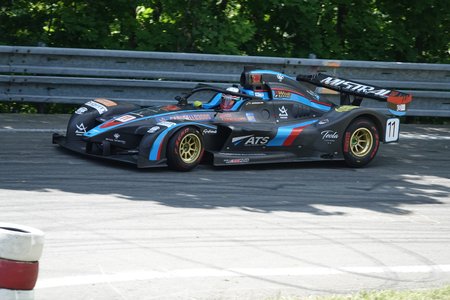
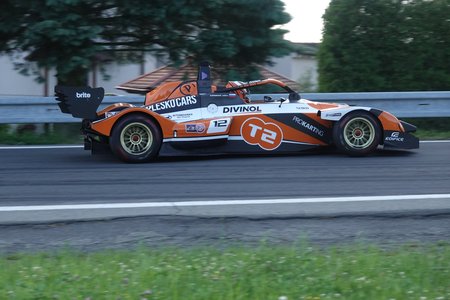
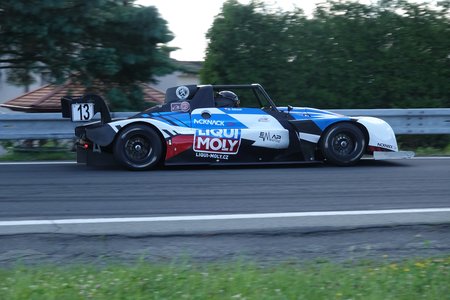
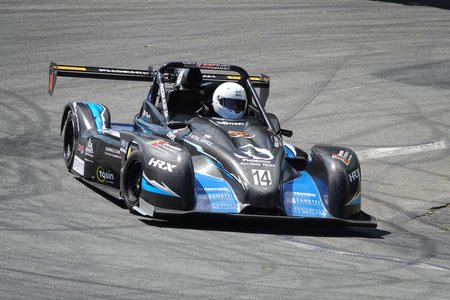
Joseba Iraola Lanzagorta finished fourth absolute but officially claimed the third-place position within the European classification point allocation with a time of 5:31.330, celebrating his fifth career appearance at Šternberk. Kevin Petit finished fifth absolute at 5:34.870, ensuring both Petit brothers locked out positions inside the top five, while Alexander Hin placed sixth absolute with a time of 5:36.350 to round out the premier tier.
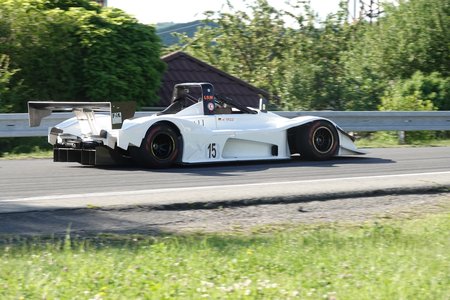
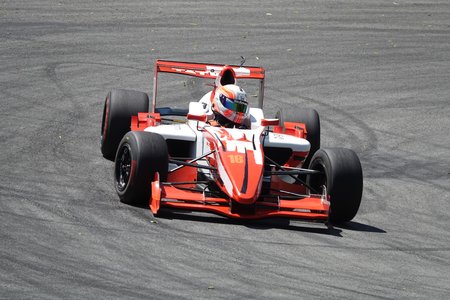
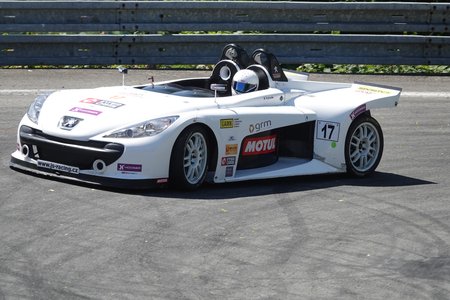
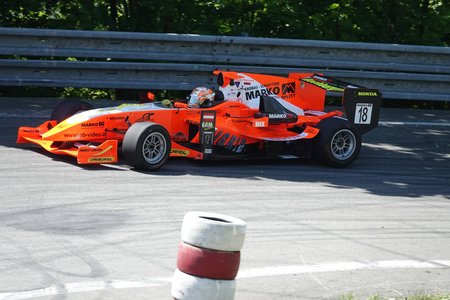
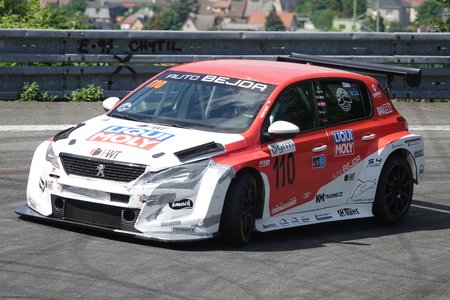
The European classification saw dominant displays across the individual performance categories. Group P4 went to Karel Berger, who powered his Osella PA21 JrB to victory with a time of 3:15.280, securing 23rd position in the absolute standings. In Group PF3, Marek Rybníček maximized his Škoda Fabia RS Rally 2 to secure 19th absolute with a time of 3:13.820, comfortably surpassing the prior group benchmark. Group PF5 was captured by Vojtěch Bejda in his Peugeot 308, placing 60th absolute and dropping the group record by 4.48 seconds down to 3:31.730.
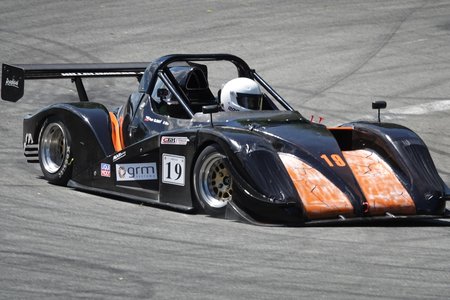
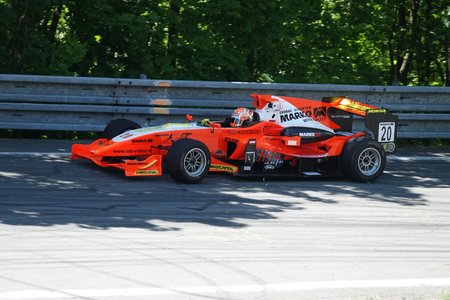
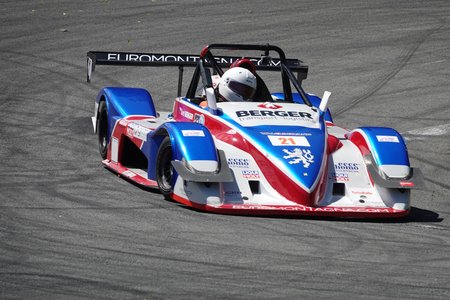
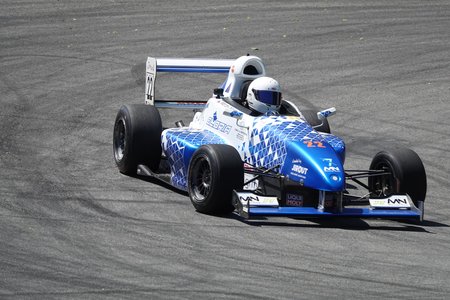
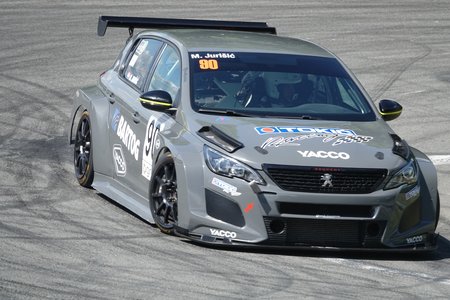
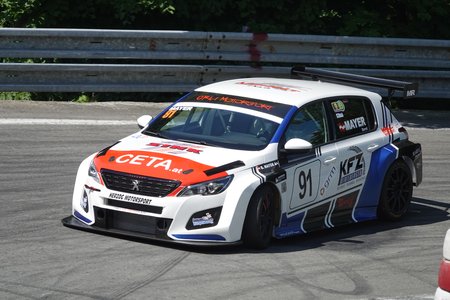
The remaining group honors were divided among elite international entries. Group P2 was taken by Fausto Bormolini, P3 went to Christian Ferstl, PF1 was secured by Reto Meisel, and PF2 was won by Kevin Raith. Notably, Croatian driver Matja Jurišič dominated group PF4 in a Peugeot 308 TCR 1.6, stopping the clocks at 3:18.910 to take 34th absolute and lowering the group record by a massive 4.92 seconds.
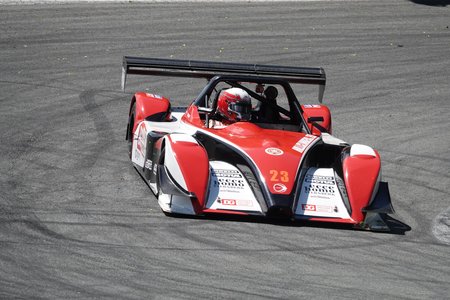
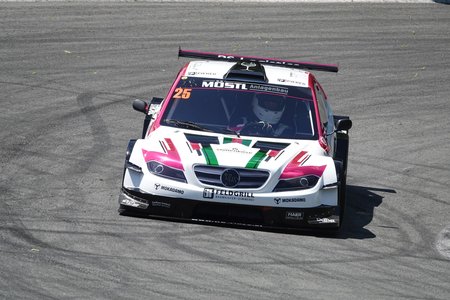
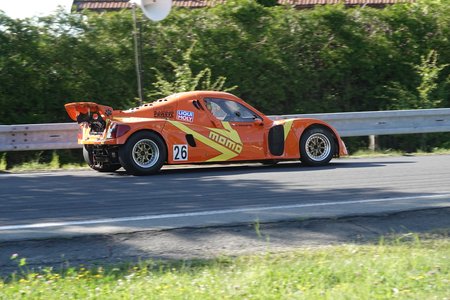
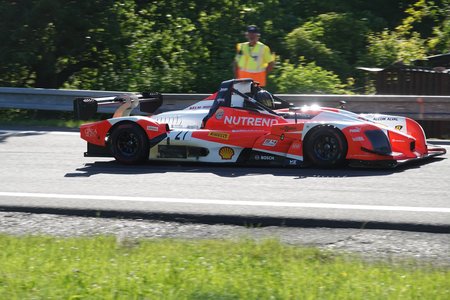
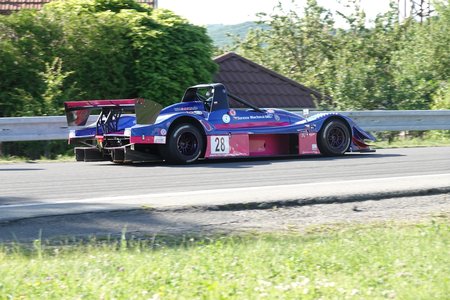
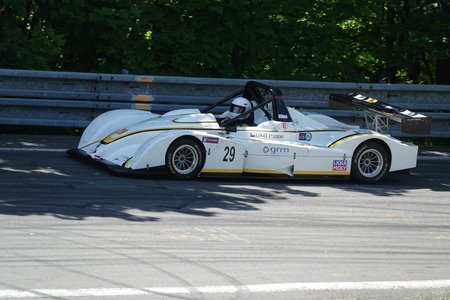
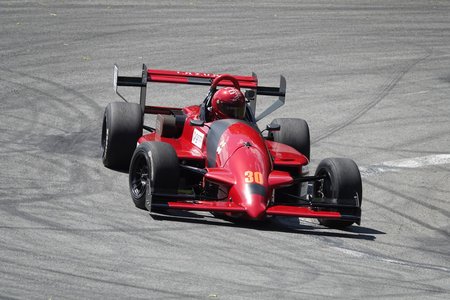
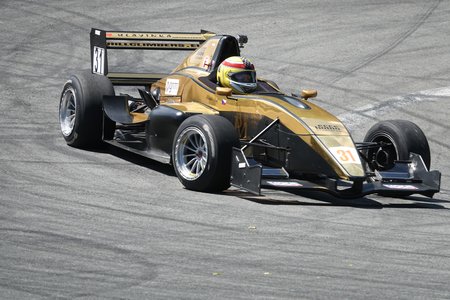
Unprecedented Record Depths and Class Anomalies
The PF6 Group witnessed an unprecedented speed revolution, with seven separate drivers going underneath the old 4:03.620 class record. Track debutant Stefan Franischen was the fastest of all, resetting the limit to 3:55.660. Klaus Demuth followed closely at 3:57.130, while five domestic drivers—Martin Pleva, Michal Menšl, Pavel Jiras, Oldřich Nýdrle, and Jaroslav Winter—all dipped well under the historical record line.
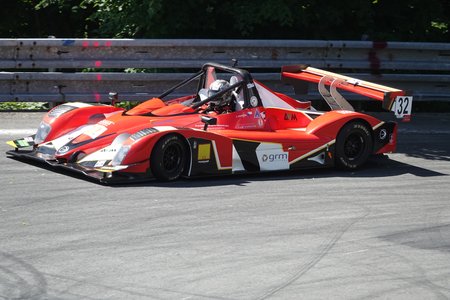
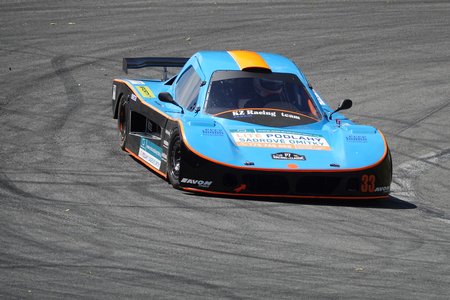
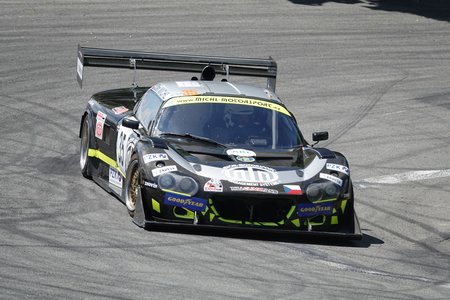
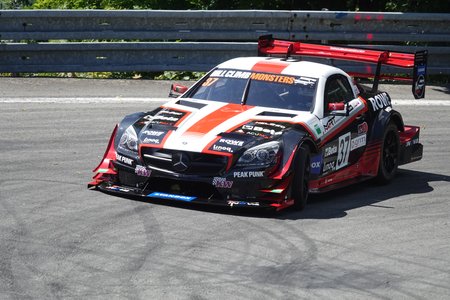
A rare statistical tie emerged in PF5 where both debutant Dorde Vesnič and Vojtěch Bejda eclipsed the old record within 0.18 seconds of each other. In an incredible family twist, Dorde’s brother, Milovan Vesnič, clocked a 3:13.770 in PF3. Both Vesnič and Rybníček (3:13.820) bettered the previous PF3 mark on the same day, with Vesnič posting the faster of the two times. This netted two distinct group record-beating performances for the Vesnič brothers on the exact same day. Meanwhile, Bastian Voss debuted at Ecce Homo in commanding fashion, taking 14th absolute and carving 5.43 seconds off the P3 group record with a time of 3:10.450. His brother Andreas Voss also marked his track debut on the same day in Group P2.
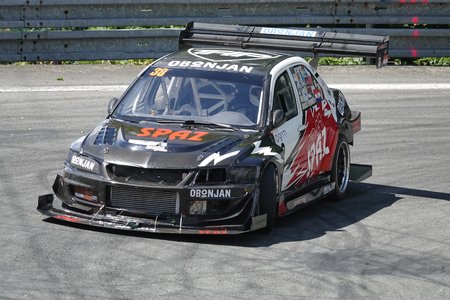
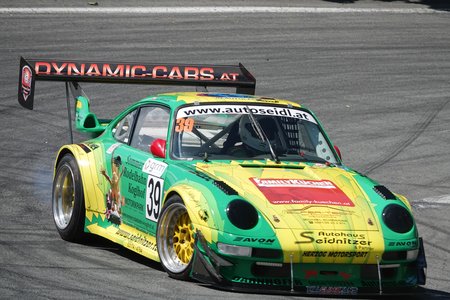
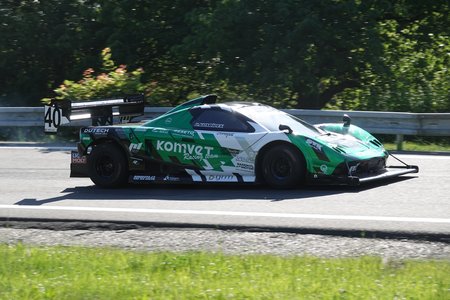
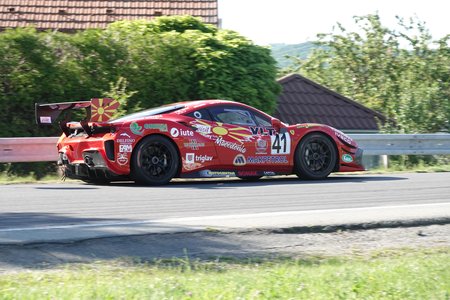
Standing records were also locked in despite ultimate DNFs. Josef Hlavinka jr. officially secured a new P4 group record of 3:11.490 on his tenth jubilee start, despite later recording a retirement. Similarly, as explicitly shown in the document image_563b80.jpg, Javier Villa Garcia established a blistering time of 3:05.552 during Heat 2 in his BRC 110T within Category 1 - Group 2. While this set a remarkable standard for his category, he was ultimately not classified (NC) for the event due to a DNF in the first heat.
Human Elements, Dynasties, and Career Milestones
The weekend provided fascinating personal narratives across the paddock. Christian Ferstl captured the EHC P3 category win with a top run of 3:22.590 in a Tatuus Master S2000, going head-to-head in the very same group against his wife, Sigrid Eva Ferstl, who secured fourth place in identical machinery as both celebrated their fifth start at Šternberk.
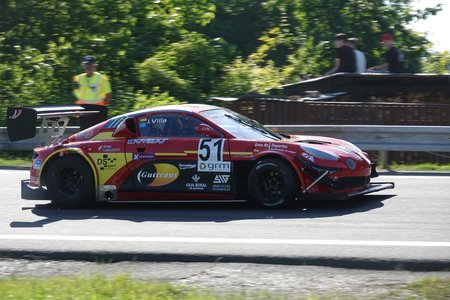
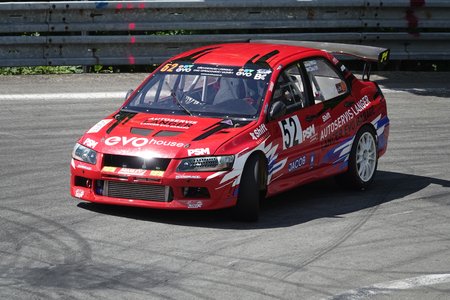
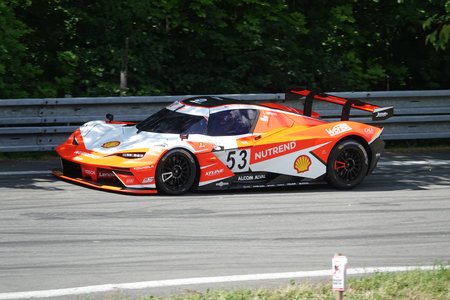
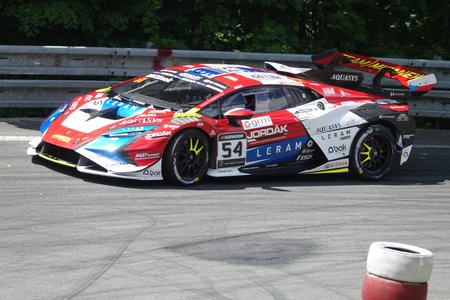
The Group P2 category featured both seasoned veterans and high-profile debuts. Italian veteran Fausto Bormolini won the group at 3:00.740 in his Wolf GB08 F1 Mistral, securing ninth absolute, followed by Antonio Migliuolo, who delivered an enormous personal improvement of 13.98 seconds over his previous baseline. Competing within that same P2 category, Jiří Mičánek jr. made his official European debut on home soil piloting a Lamborghini Huracán Supertrofeo. Successfully continuing the prominent motorsport lineage established by his father, Mičánek finished 22nd absolute with a time of 6:31.100.
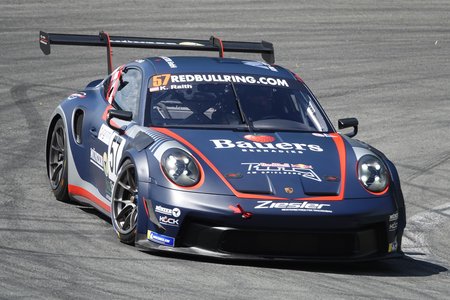
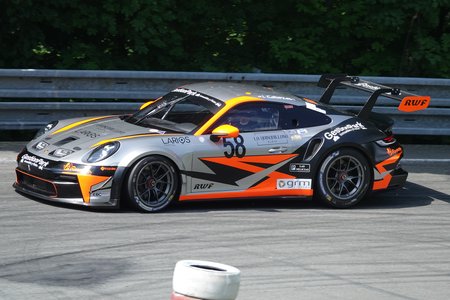
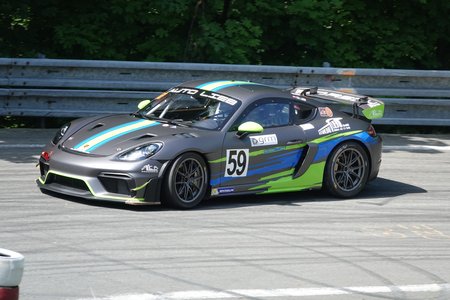
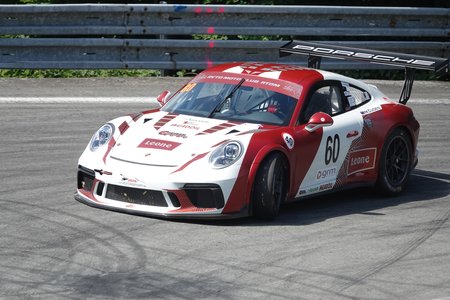
Landmark starts were achieved across the entire field. Josef Hlavinka jr. and Nikolay Zlatkov hit their 10th starts, while Lukáš Tomeček and Georgi Popov reached their 15th career appearances. Lukáš Studený and Javier Villa Garcia logged their 20th career European appearances. Reaching their 5th Šternberk starts were Joseba Iraola Lanzagorta, Alexander Hin, both Ferstls, Domagoj Perekovič, Matja Jurišič, Hermann Blasl, Filip Furiš, Ivan Vojvodík, Stanislav Raška, and Dominik Neumann.
Performance Leaps and Mechanical Casualties
The technical evolution of machinery produced massive performance jumps. Tomáš Benik moved from his older Lancia Beta Coupé into a Reynard Lotus Formel, triggering a massive 41.63-second improvement to register a 3:56.720. Oldřich Nýdrle improved his previous benchmark by 34.56 seconds, while Michal Slováček piloted a Honda Civic Type R to a clean 33.13-second jump. Benjamin Noll stepped into an Osella PA30 to slice 30.25 seconds off his time, vaulting straight to 8th absolute, while Alessandro Bertanza clocked a 29.31-second progression in his Breda BRP 5C.
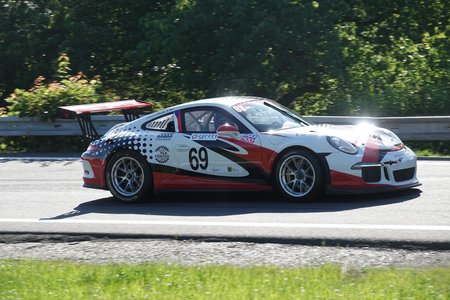
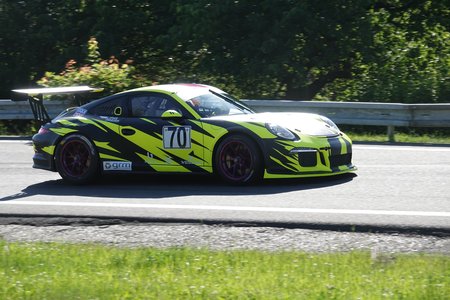
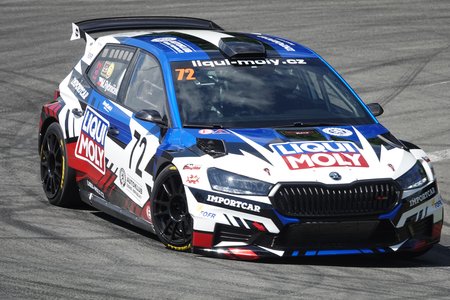
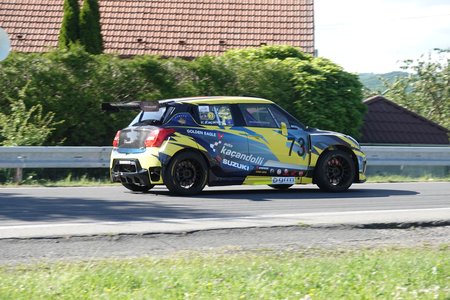
However, the absolute limits required by the Šternberk sprint format inevitably caught out high-profile competitors. Celebrating exactly 30 years since his very first start at Ecce Homo, Václav Janík suffered a critical mechanical failure when his vehicle's throttle became stuck, leading to a high-speed crash. Janík escaped without serious injury, though the car requires an extensive rebuild.
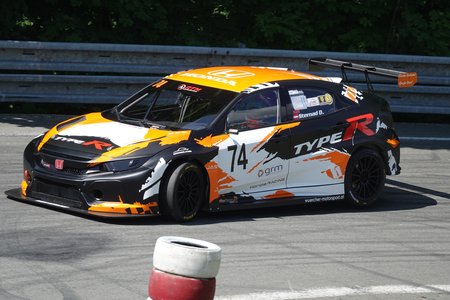
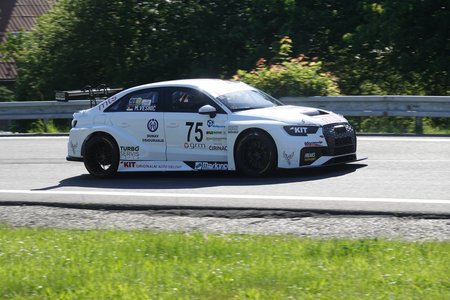
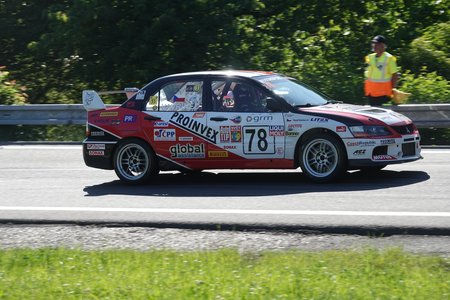
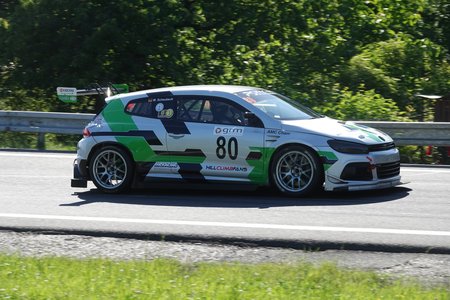
Igor Stefanovski heavily damaged his Ferrari after an aggressive contact with the guardrails, but his crew repaired the vehicle sufficiently to start the second competitive heat. Nikolay Zlatkov was forced into a premature DNF due to a terminal technical failure, and Jarda Prášek faced an uncooperative mechanical setup within the historic division, concluding a difficult weekend.
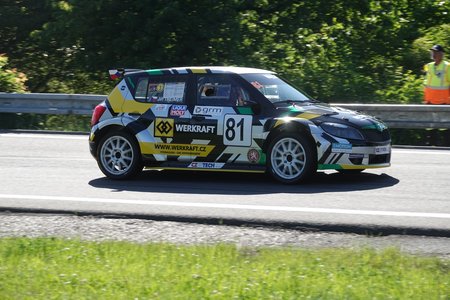
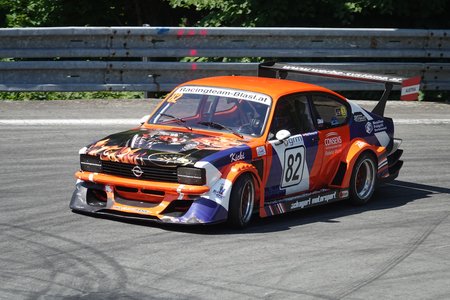
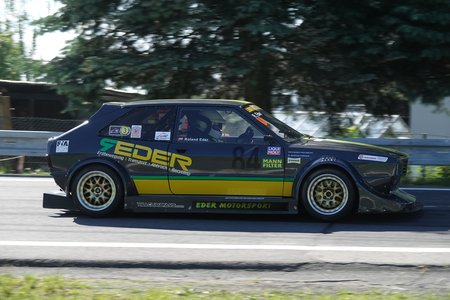
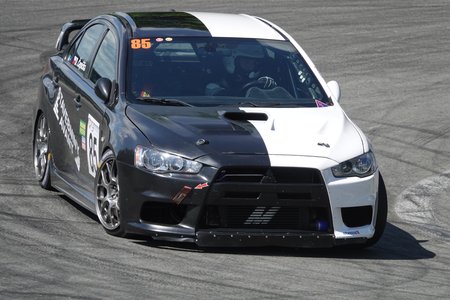
In the domestic and historic brackets, David Komárek stood out in his McLaren F1 Evo, placing 11th absolute and earning the title of the fastest closed touring car of the entire event. Josef Srnský claimed the gold in the Česká Trofej classification in a Škoda 130LR, while Josef Čermák absolutely dominated the historic classifications, steering his Osella PA 20S to a spectacular fastest time of 3:16.000.