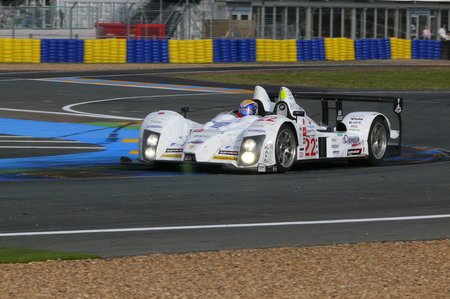
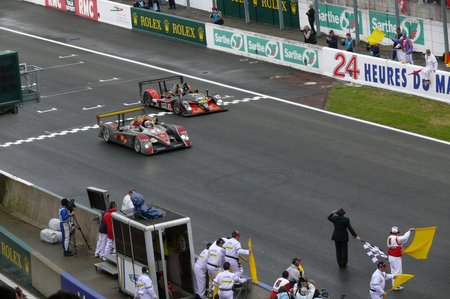
Eighth win for Audi in Le Mans!
In one of the best Le Mans 24 Hour races ever, Audi defended its victory from the last year capturing its total eighth win in the most prestigious race in the world. This time it might have been the most valuable victory since Audi faced by far strongest opposition since its first triumph in 2000. Despite Audi boss Wolfgang Ulrich supposed that their main rival has 49% chance of winning the race, in reality this Peugeot beat Audi in every race but Sebring where the only starting Peugeot was quicker than the Audis but experienced some 'first-season-race' issues while Audis had not troublefree race as well leaving the top spot to Porsche RS Spyders.

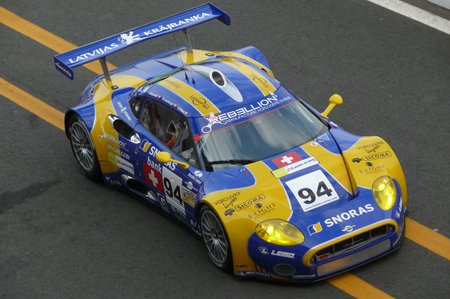
The race itself was very interesting and we can say that it was the weather that decided Audi would win over Peugeot. While it was dry, the Peugeots were simply way quicker then the Audis, even if not by a huge margin as it had been in qualifying sessions, where Peugeot simply outpaced everything ever present on the Le Mans track since the Hunaudieres straight was split by chicanes, including their 3.5-litre Group C sisters 905 from 1992-93. But once it had started in rain in the night, Audis almost immediatelly moved to the first and third positions.
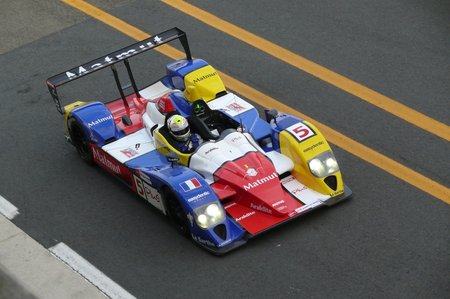
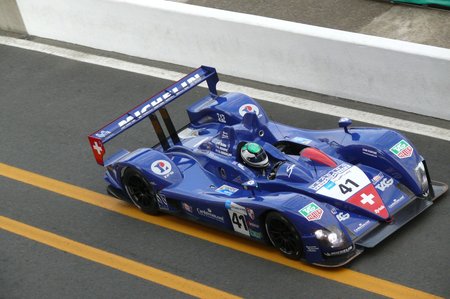
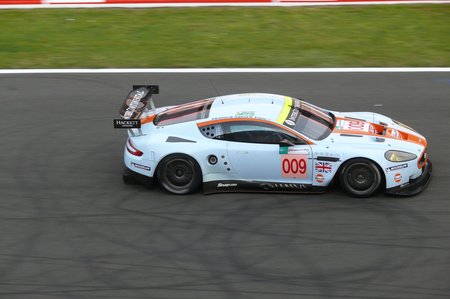
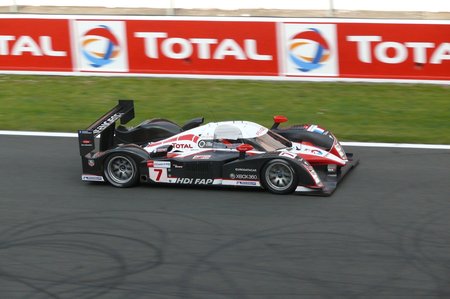
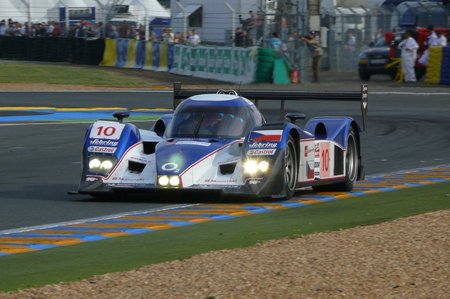
After the start the Peugeots lapped in a close formation moving quickly away from the rest of the field being applauded by a large number of local spectators. In the meantime Audis were finding their pace, running 4th, 5th and 7th, the last one being separated by well running Charouz Lola Aston Martin. But after several laps we had 3 Peugeots ahead of 3 Audis, while the Charouz Lola was running ahead of another coupe, the debuting Dome, which along with other two Peugeots recorded fastest speed of all car during the second qualifying session: 335 kph.
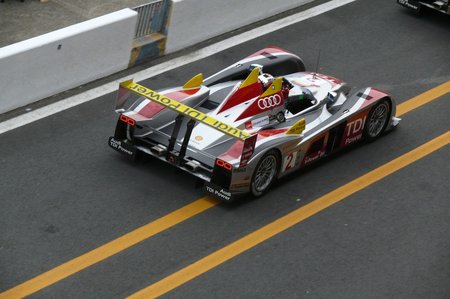
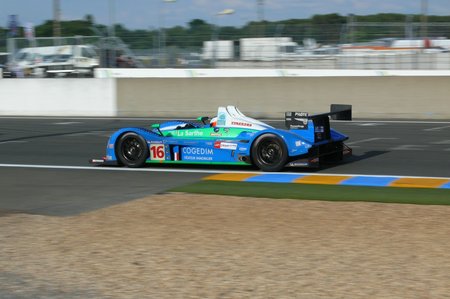
After the first hour only nine cars were running in the lead lap: apart from those already mentioned it was the factory Pescarolo number 16, after the pitstop moving ahead of both the Dome and the Lola Aston Martin. Both Orecas and the second works Pescarolos were next, having been alredy lapped. Only these LMP1 cars were showing some real pace, while the others were in the battle with LMP2 leaders (both Porsche RS Spyders, the Lola Coupe and also still improving Embassy, which is by the team preferrably called just WF01).
As the time passed by the Peugeots experienced slow delays and the fastest Audi number 2 (Capello/Kristensen/McNish) somehow broke into the Peugeots positions and ran second behind the Peugeot number 8 after the second hour. That Peugeot was the quickest one having already recorded the fastest lap of the race but in the third hour was pushed into the garage for repairs (to return to about 30th position) so the Audi number 2 took the lead ahead of Peugeot number 9 followed by Peugeot number 7. The other two Audis were more or less lagging while still keeping themselves in the lead lap.
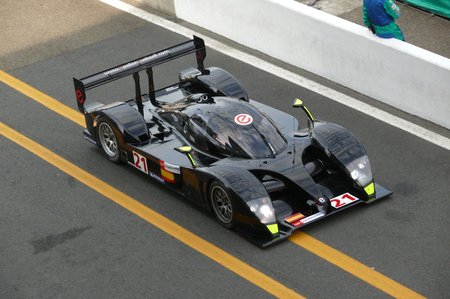
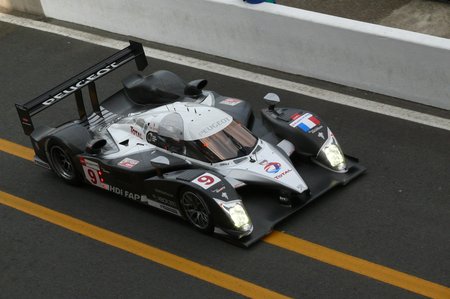
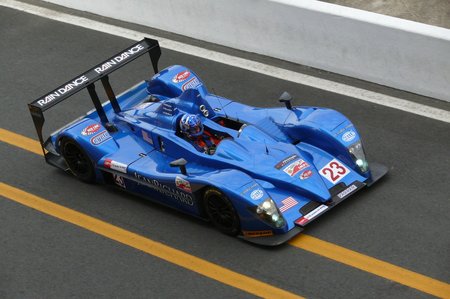
The Audi number 2 then kept the lead for a couple of hours before being catched by quicker Peugeots. It was the Peugeot number 7 in the lead after the five-hour mark just 16 second ahead of the Audi. The difference was only 16 seconds. The Peugeot number 9 was still close (-52s), while remaining two Audis were still running well in the same lap some two and half or three minutes behind the leader.
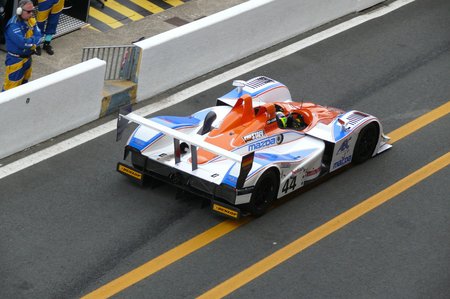
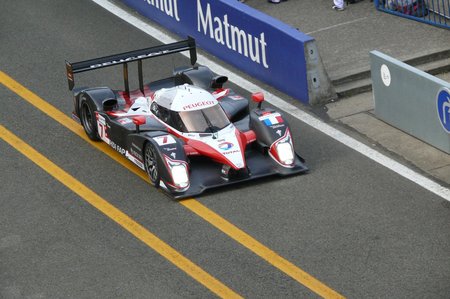
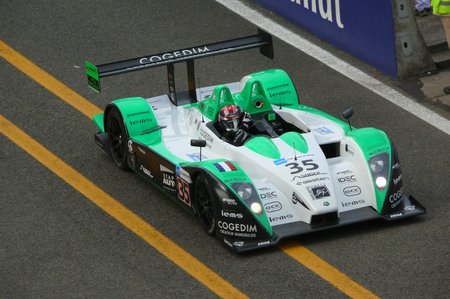
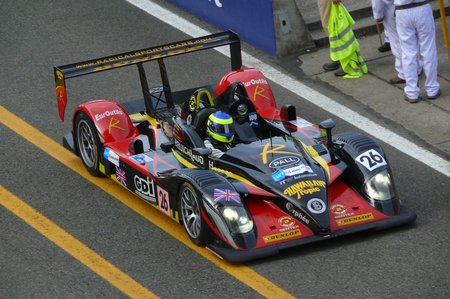
It was Peugeot number 9 that took the honours in the coming hours. Driven by Montagny/Klien/Zonta, it was in the lead after 6 hours. Gene/Minassian/Villeneuve in the number 7 was only 3 second behind while the best Audi (no.2) was another minute behind, while the other Audis were already lapped. The Peugeot no.9 circulated around track in the lead for almost three hours but then spinned into the gravel and before being pushed back to the track the car lost more than a lap, effectively being dropped out of contention. The race was now between Peugeot number 7 and Audi number 2. Of course, everything could happen since at least another three cars were running within 1-2 lap range gap but with very similar pace and very reliable performance only the two leading cars actually would actually fight for the overall victory as the race would develop.
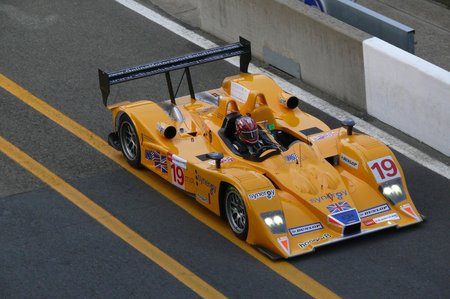
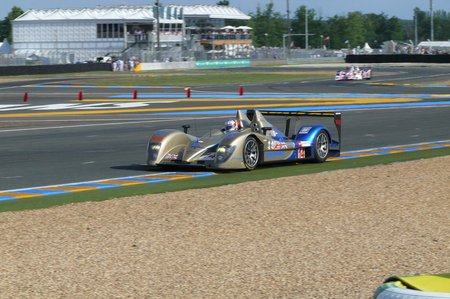
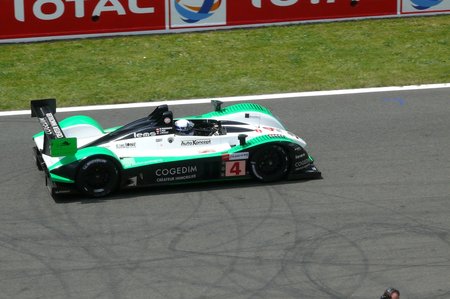
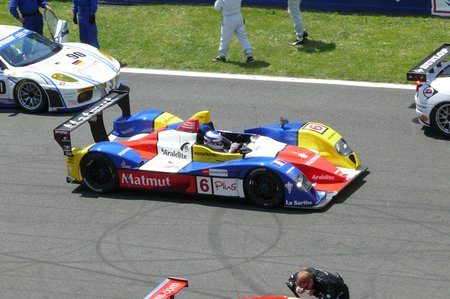
There was also another factor covering the race and it was a question whether current cars can beat all-time distance covered record set 37(!) years ago. From a theoretical point of view very easily. The record from 1971 actually meant to achieve average speed over 222.3 kph. After the first nine hours all six factory cars including the delayed Peugeot were easily above this speed having race between 230.3 and 222.6. But the Courage-Oreca no.6 hit the wall very heavily and the safety cars were called in. They stayed on the track for 5 laps. After this period the overage speed was still reasonably high enough (226 kph) and after twelve hour the leading Peugeot completed 200 lap, which was fantastic considering a fact that there was a caution period. This would mean at least 400 laps for the entire race if the pace was kept and something like that had never happened before.
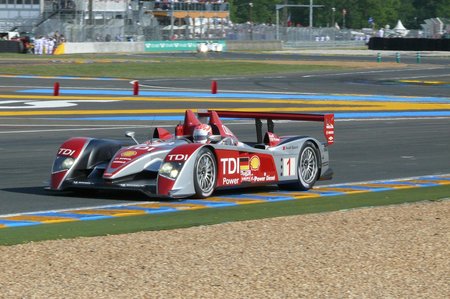
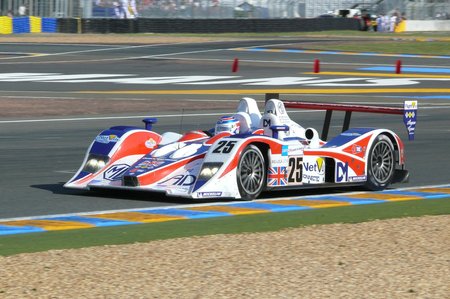
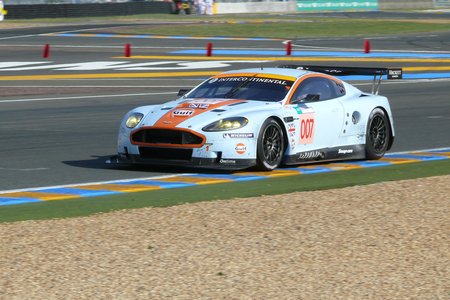
Luckily for Audi, it started to rain when the race moved to its second half. Peugeot were simply much slower in the wet conditions so it did not take to long and Audi no.2 appeared in the lead. Interestingly Audi did not pass th Peugeot on the track but in the pits. It was another factor in the race that Audis generally had less pitstops and were quicker during them.
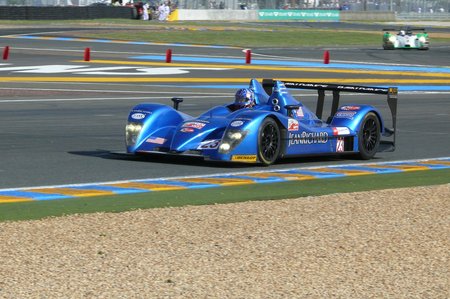
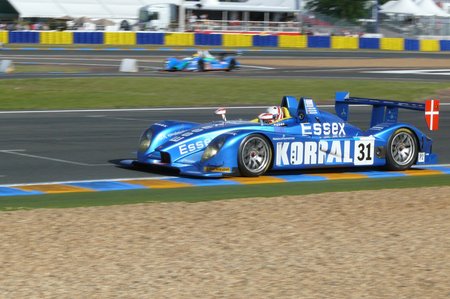
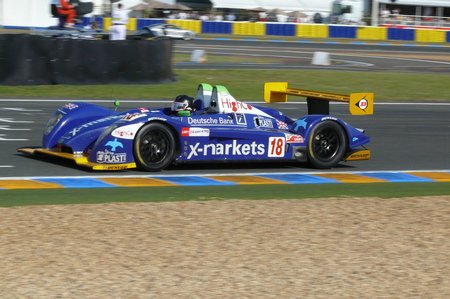
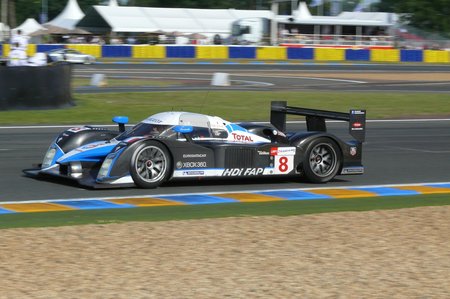
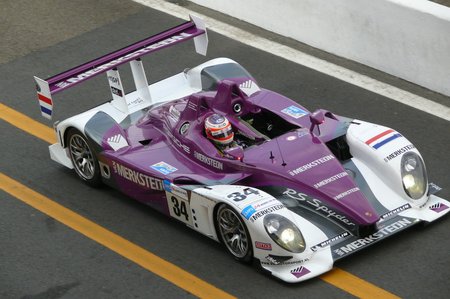
During the rain the race average speed went down considerably and any chances of all-time distance record were gone. But the battle Audi-Peugeot continued. While at the beginning Peugeots prevailed now it looked that Audi win is not only possible but more likely. The Peugeot was briefly in the lead during the 14-hour mark at the time of pitstop but apart from that the Audi led all the time. Five hours before the end of the race, the leading Audi had one lap lead over the Peugeot. By that time it was dry and Peugeot once again was shining. Lapping by 2-4 seconds a lap quicker than any of the Audi, the Peugeot no.7 had unlapped itself and the real drama just started. It looked that the Peugeot could catch the Audi but with a little more than an hour to go, the clouds went darker and rain started to fall again. All cars visited pits to switch to intermediates or wets and the race was almost decided. All the leading cars (Audi no.2, Peugeot no.7, Peugeot no.9, Audi no.2, Peugeot no.8 and Audi no.1, which lost several laps during repairs during 22nd hour) just tried to keep their positions and safely finish the race, the same applied for the seventh Pescarolo and a Courage-Oreca in the next position. Real battle was still on the ninth place. Tomas Enge sat in the recovering Lola Aston Martin, which was crashed in the second hour by Jan Charouz and then started from 48th place again, and tried to catch leading LMP2 prototype, the van Merksteijn Porsche RS Spyder. In the end Enge was successful so the Charouz Lola moved up to the ninth position while the best LMP2 car was classified 10th.
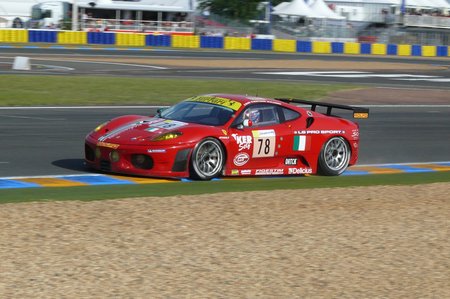
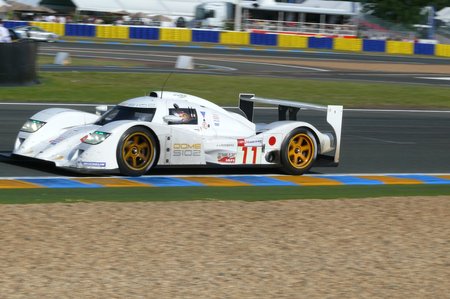
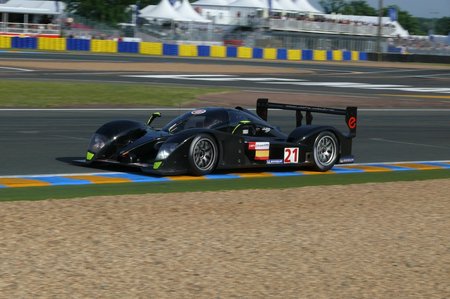
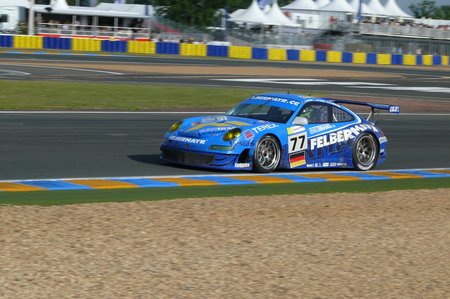
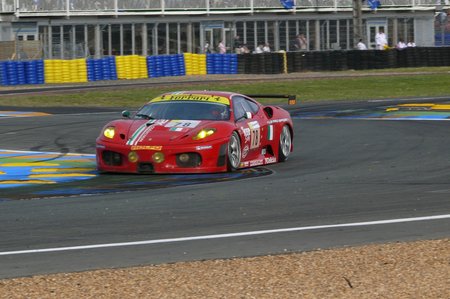
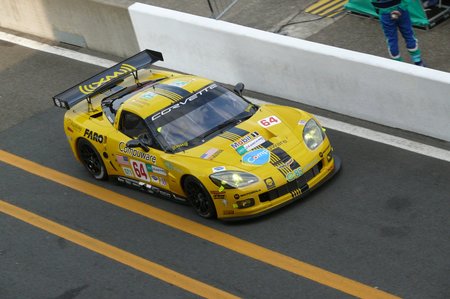
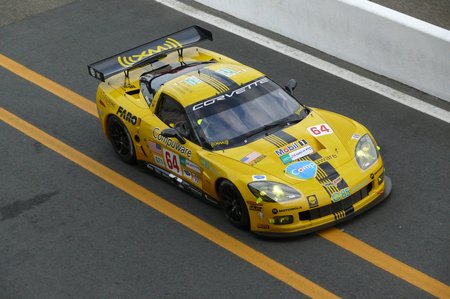
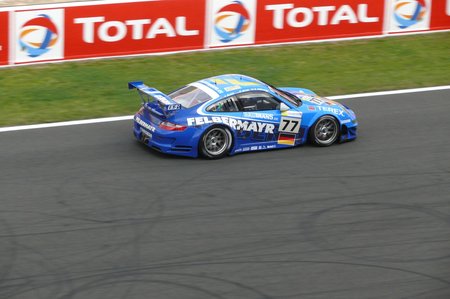
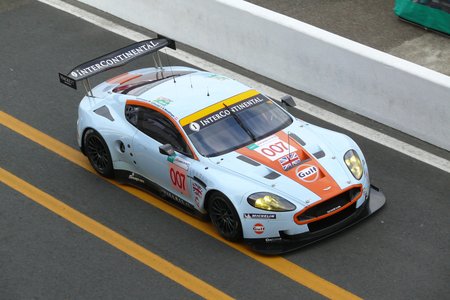
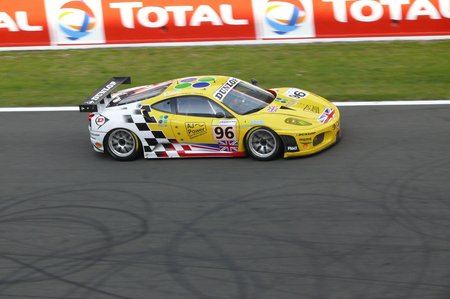
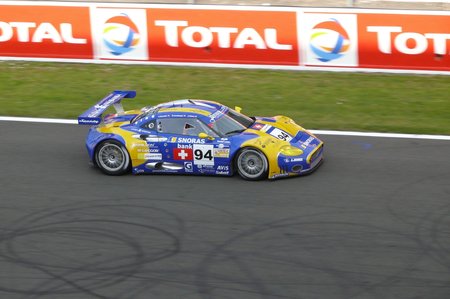
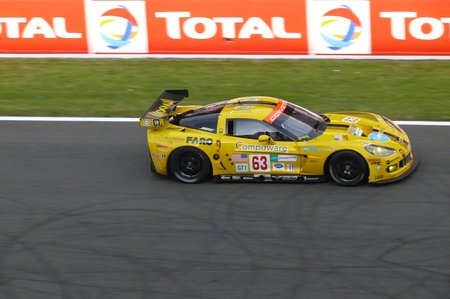
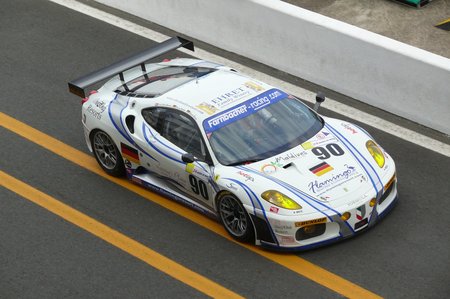
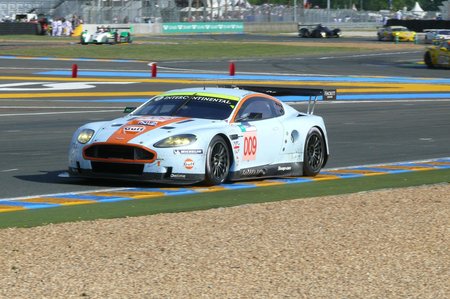
The winner of GT1 category was works Aston Martin in Gulf colours, which moved to the lead during the early hours and kept it ahead of the factory Corvette until the finish. In GT2 class all three participating Porsches were at the top of the class in the first hour (1st, 3rd and 4th). The best of them was Flying Lizards car, which was however severely damaged in a collision the next hour so the lead took Risi Competizione Ferrari, which was originally second in the class. It then led for the entire race until the end while many other cars including the two remaining Porsches suffered either repairable problems or retired at all. With much more Ferraris than Porsches at the start, the GT2 race resulted in a Ferrari show having occupied top 5 spots. LMS winning Virgo Motorsport Ferrari then retired near the end of the race from the second position but it was still four Ferraris ahead two remaining Porsches, while two Spykers, the only other cars in the class, were out of the race before the end of the first quarter of the race.