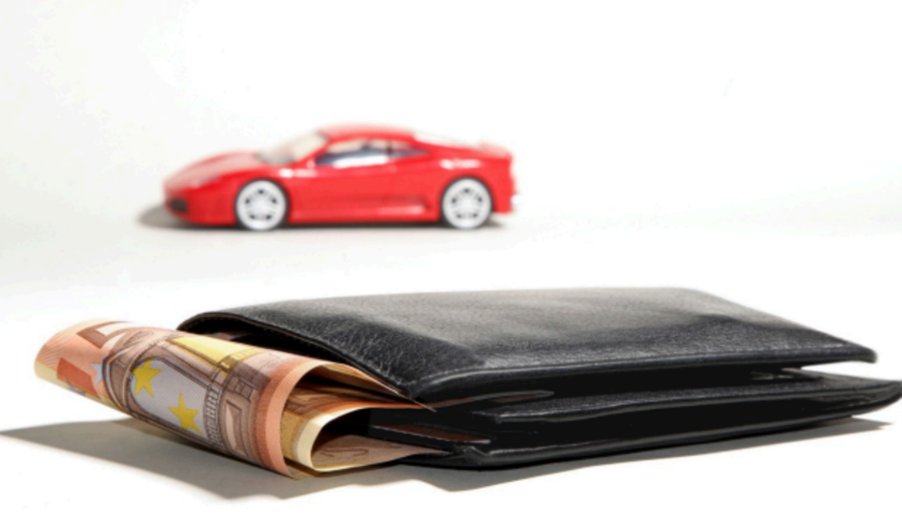
by andreas160578 from Pixabay
Your lease expires next month, but walking away from your car feels wrong. You know every quirk of the engine, every scratch tells a story, and finding another vehicle that fits you this well seems impossible
A car lease buyout loan might be the answer that keeps your keys in your pocket.
Most people assume lease-end means goodbye, but smart drivers know they have options. Buyout loans change temporary car arrangements into actual ownership situations.
The Buyout Process Explained
When you signed your lease contract, the company set a residual value: what they thought your car would be worth in the end. Recent analysis of over 14.000 lease buyouts in 2024 shows more drivers are choosing buyout loans instead of returning their vehicles, often securing lower monthly payments than leasing a brand-new car. The process starts with calling your leasing company for the official payoff amount. That number includes your residual value plus any fees that may have stacked up. Disposition fees, excess mileage charges, or wear penalties can bump the price higher than expected.
Next comes financing. Banks, credit unions, and online lenders offer buyout loans that work differently than regular car loans. They look at your credit, income, and what the vehicle is actually worth before setting terms.
After approval, they wire money straight to the leasing company while you start making payments on your new auto loan. The title moves to your name, but the lender keeps a lien until you pay everything off.
When Buyouts Make Sense
Market conditions can turn lease returns into gold mines. Used car prices jumped dramatically in recent years, leaving many leases with vehicles worth thousands more than their residual value. If your car's market price beats the buyout cost, you win.
Mileage overages push people toward buyouts, too. Standard leases cap annual miles between 10.000 and 15.000, then charge 15 to 30 cents for every mile over. Those penalties add up fast and can make buying cheaper than returning.
You also know exactly how your car was treated. No mystery accidents, no skipped oil changes, no teenage drivers who learned to parallel park with your bumper. That history matters more than most people realize.
Some cars just click. Maybe the seat fits perfectly, the controls feel natural, or the cargo space matches your life exactly. Starting over means giving up that perfect match.
Running the Real Numbers
Smart buyers check market values first. Look up your car on Kelley Blue Book, Edmunds, or get quotes from local dealers. Compare that number to your total buyout cost, which includes residual value, fees, taxes, and loan interest over the full term.
Buyout loan rates can differ from new car financing since you're buying used. Some lenders offer special buyout rates, while others use standard used car terms.
Don't forget about the maintenance that's coming. Older cars need more work, and warranties expire. Budget for routine service, potential repairs, and parts that become your problem once you own the car.
Red Flags to Watch For
Negative equity kills deals. If your buyout cost exceeds what the car is actually worth by a lot, you're financing more than the vehicle's value. That's instant financial loss.
Major repairs on the horizon change everything. If the transmission acts funny or the engine makes weird noises, you're about to inherit expensive problems that would have been the leasing company's headache under your original deal.
Transportation needs change over time. If your family grew, your commute shifted, or your preferences evolved, your old car may no longer fit your circumstances well.
Final Thoughts
Smart buyout decisions happen when the financial calculations work in your favor, and the vehicle continues to serve your transportation requirements effectively. Market timing creates opportunities where buying beats returning, especially when you factor in the value of knowing your vehicle's complete history and avoiding the hassle of car shopping.
Check the real costs first. Add up residual value, fees, taxes, and loan interest, then compare that total to what the car is actually worth today. If you come out ahead or break even, and the vehicle will serve you well for several more years, a buyout loan might be your best move.
Don't let emotions drive the decision. That attachment to your car carries weight, but it shouldn't override basic financial sense when you evaluate your options. Get quotes from multiple lenders, research market values thoroughly, and be honest about upcoming maintenance costs that will become your
responsibility. Sometimes the smartest choice involves walking away and starting fresh with a different vehicle, but when all the financial factors align properly, the car you already know and trust can save money and
headaches down the road.