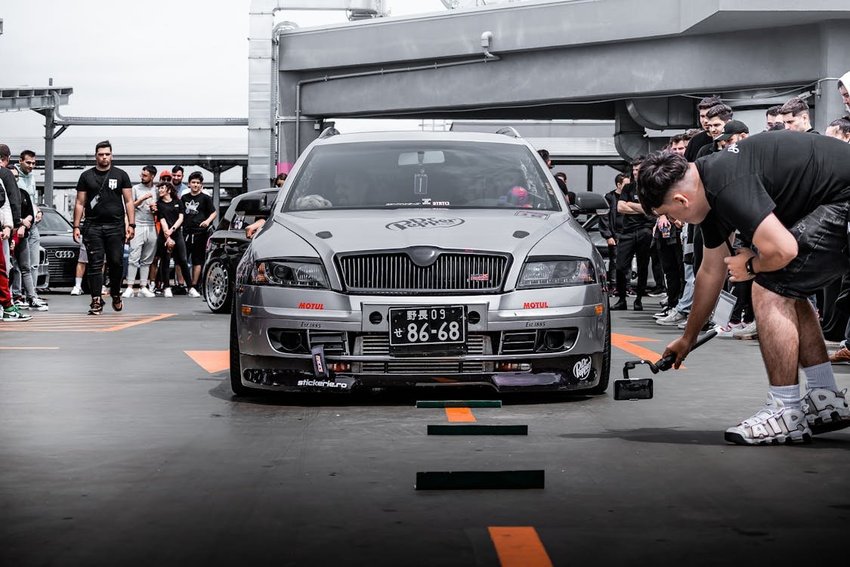
Photo by Ene Marius on Pexels
Modified cars are a different kind of commitment. Every upgrade changes how the car drives, how it's valued, and how it's viewed after a crash. The problem is that most insurance paperwork still assumes your car has no aftermarket upgrades unless you prove otherwise.
This gap is where car enthusiasts lose time, money, and leverage, especially when a claim turns into a negotiation. This article highlights five costly mistakes car enthusiasts make with modified cars and insurance claims, and how to avoid them.
Treating modifications like they are automatically covered
The fastest way to lose money is to assume upgrades ride along with your stock value. Wheels, suspension, wrap, audio, and bolt-ons often count as custom equipment, and coverage varies by carrier and endorsement. Get clarity before anything happens. Ask what the policy counts as modifications, what the dollar cap is, and which endorsements you need, then keep that answer in writing.
In addition, if you are involved in a wreck and the insurer hints that the modifications caused or contributed to it, contact a lawyer right away. A Miami car accident lawyer can help you push back before the claim story gets locked in.
Modifications come with responsibility and risk. Even in professional motorsport, teams face serious penalties for unauthorized modifications. For street cars, undisclosed changes can invalidate your entire policy.
Skipping documentation until it is too late
Receipts alone rarely tell the full story. Insurers want proof of what was installed, when it was installed, and what it cost to do it correctly. Build a simple evidence kit that includes parts invoices, labor bills, alignment sheets, dyno pulls, and clear photos of each upgrade on the car. Be sure to also save screenshots for used parts, and note serial numbers where possible.
Back everything up to the cloud, so you are not scrambling after a tow, a theft, or a total loss. If you cannot verify the upgrades, the adjuster will price your car like a stock trim and treat the rest as 'unproven extras.'
Blurring the line between street driving and track use
A spirited backroad drive is still street use. A track day, autocross, or any timed event can fall into exclusions fast. The costly mistake is assuming your insurer draws the same line you do. Read the policy language on racing, speed contests, organized events, and testing.
If you attend HPDE events or autocross, look into a separate track-day policy, or get written confirmation that your coverage applies. Be honest about how the car is used, too. If a claim file includes event photos, decals, or social posts that suggest competition use, you can trigger delays, disputes, or denial.
Underinsuring the car
A lower payment feels like a win until the payout lands, and it does not cover your modifications and upgrades. Standard policies often pay actual cash value, which treats your car like a stock trim and ignores expensive upgrades. This is how enthusiasts lose thousands of dollars in car accident claims.
Be sure to match coverage to reality. Ask about custom equipment limits, stated value, or agreed value options where available. Then update the numbers as your build evolves. If you add wheels, suspension, or tuning this year, your limits should move with it, not stay stuck at last year's stock value.
Saying the wrong thing, or signing the wrong form
Right after a crash, people guess speeds, apologize, or downplay pain. These statements can shape fault and settlement. Be sure to stick to facts. You should also get the police report number and photograph the scene, damage, and any loose aftermarket parts.
Additionally, confirm where the car is towed, and ask about storage fees. Do not authorize repairs or sign a release until you understand it.
Endnote
Modified cars come with pride, but they also demand solid paperwork. The more unique your build is, the more you need to make it legible to an insurer. Keep a clean record of parts and labor, confirm your coverage limits in writing, and match the policy to how you actually drive, street, show, or track.