Marc Pernot reaches the summit, while the VHC writes its own story
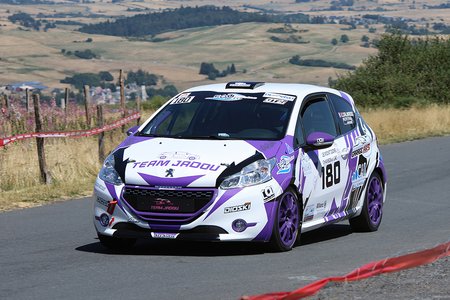
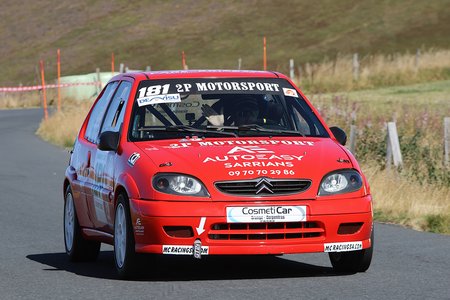
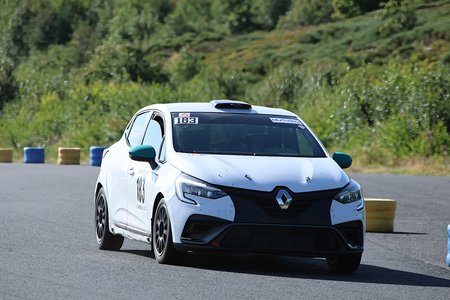
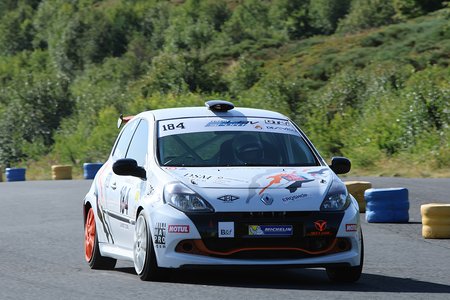
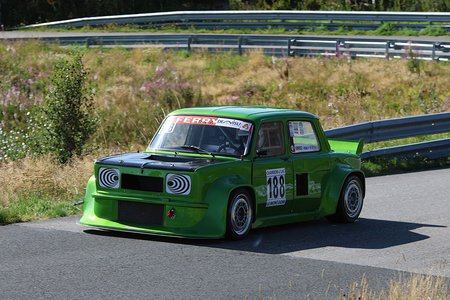
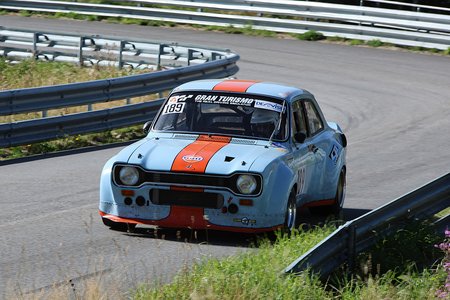
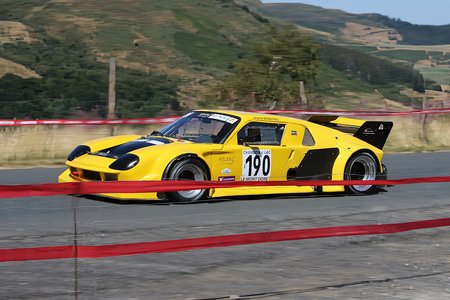
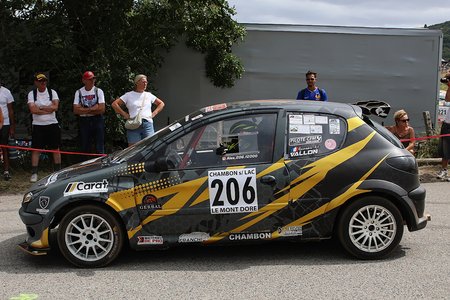
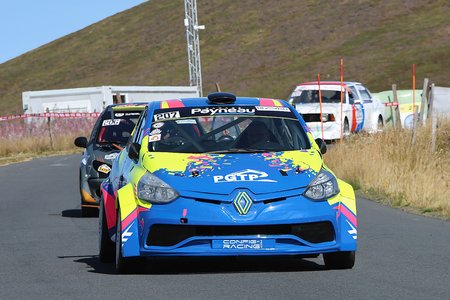
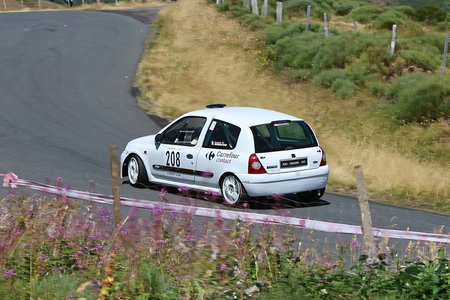
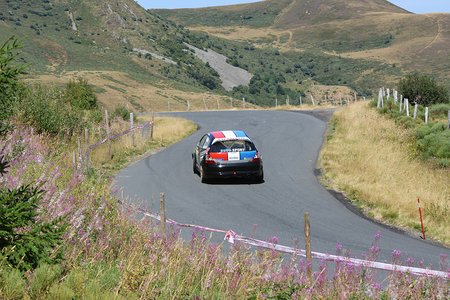
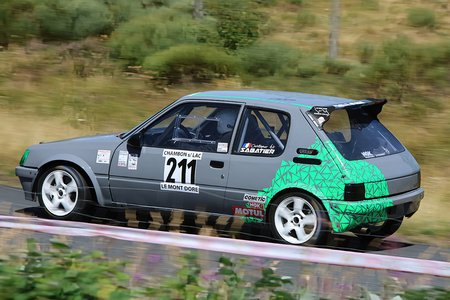
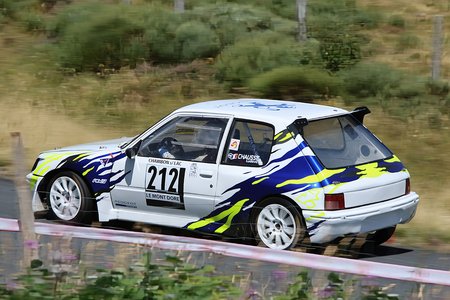
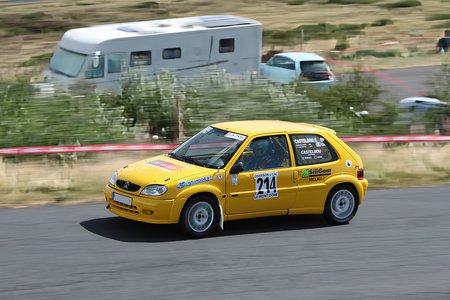
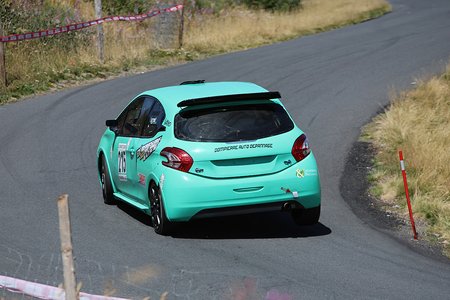
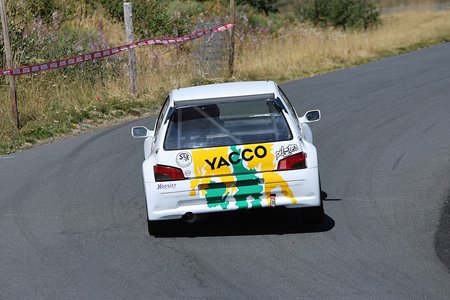
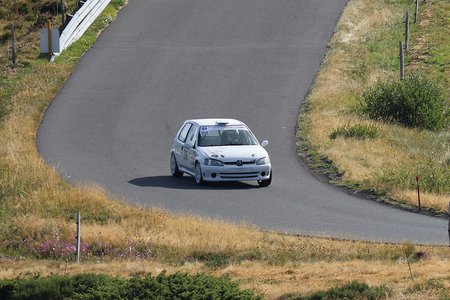
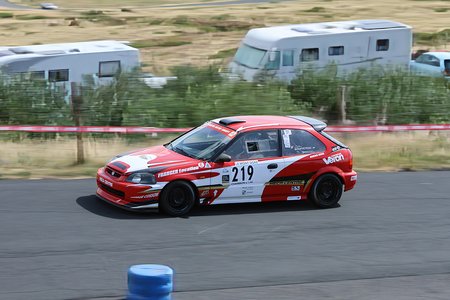
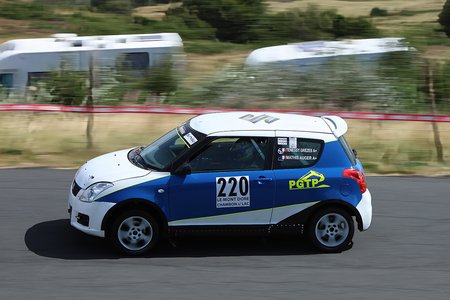
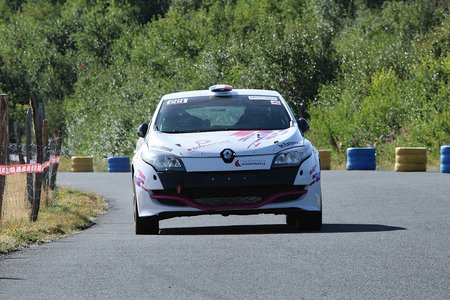
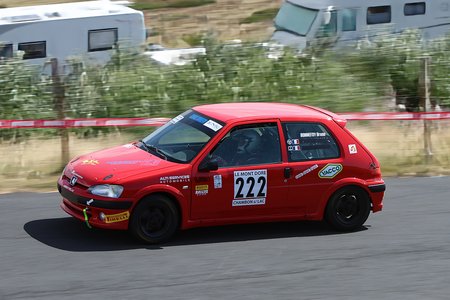
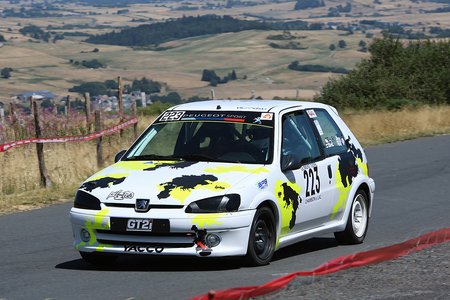
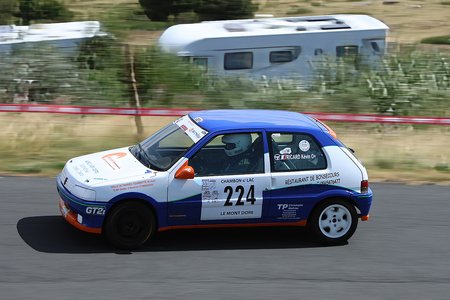
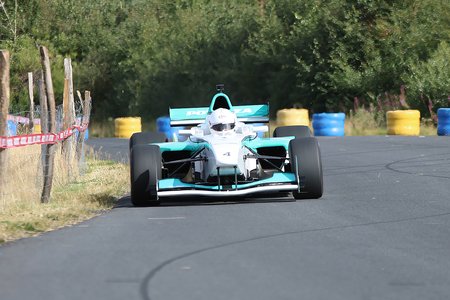
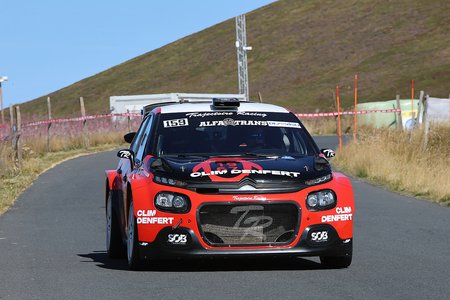
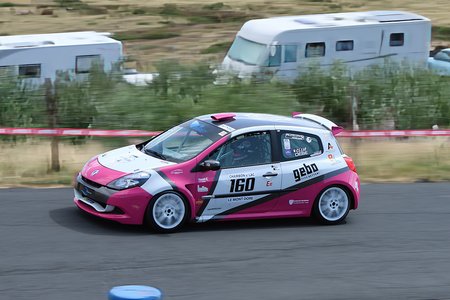
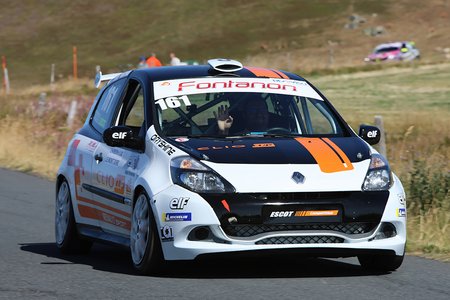
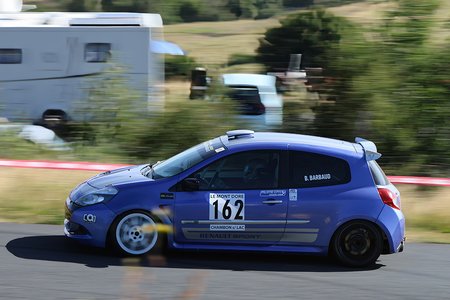
From 7 to 9 August 2026, the Massif du Sancy once again became the theatre of one of France’s great mountain-racing events. For its 66th edition, the Course de Côte du Mont-Dore / Chambon-sur-Lac brought together more than 200 competitors, combining the modern French Mountain Championship with the 19th edition of the VHC competition.
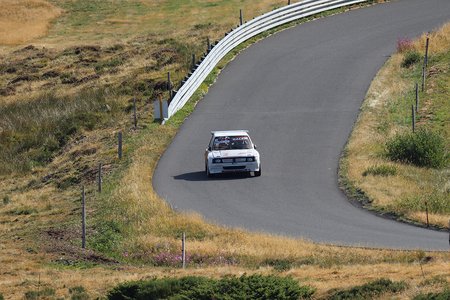
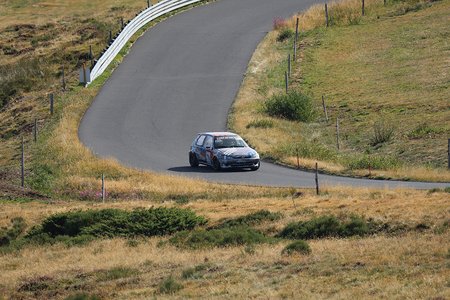
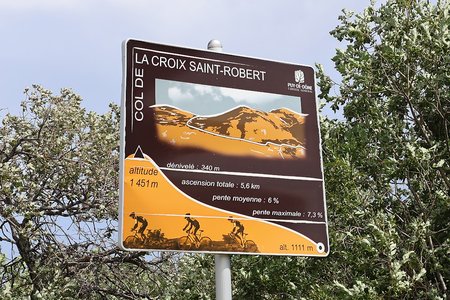
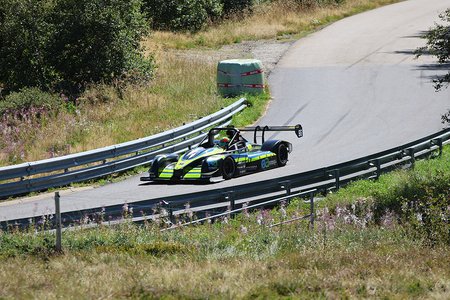
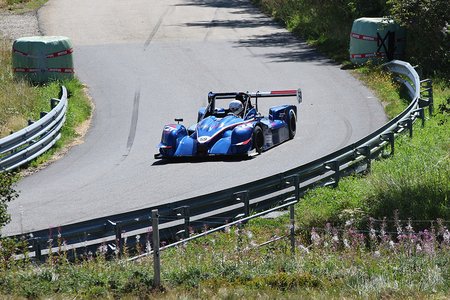
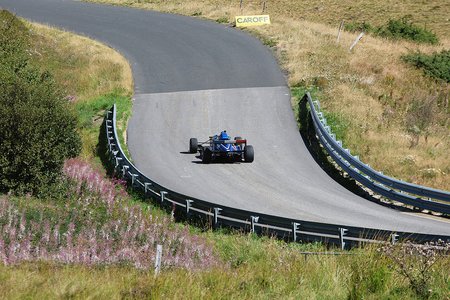
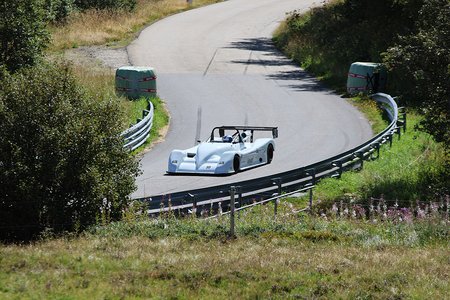
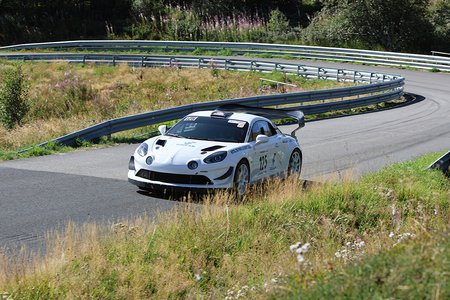
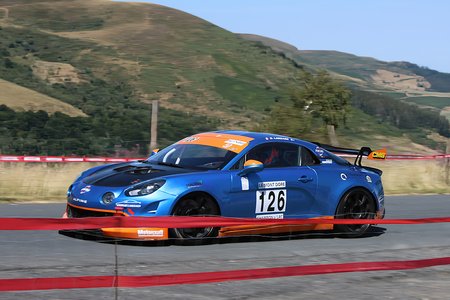
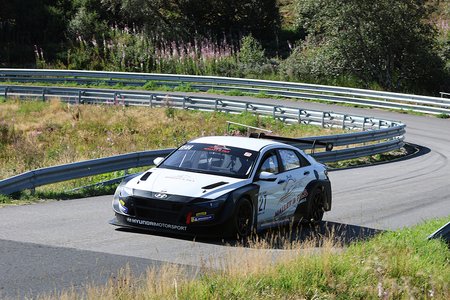
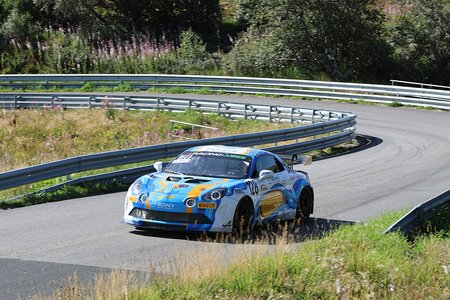
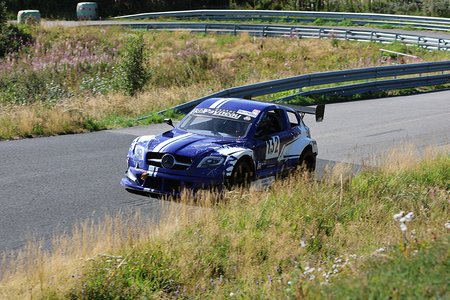
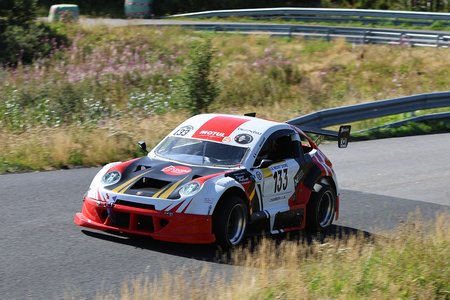
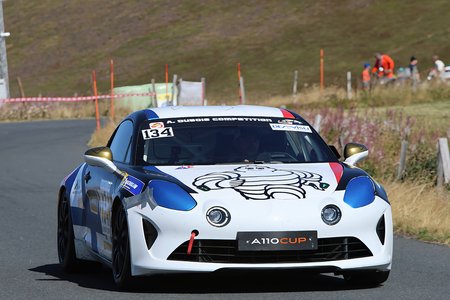
The setting remains as spectacular as ever. From Moneaux to the Col de la Croix Saint-Robert, the drivers face 5.075 kilometres of demanding mountain road, climbing approximately 380 metres. Here, every braking point, every corner and every change in grip can make the difference between victory and defeat.
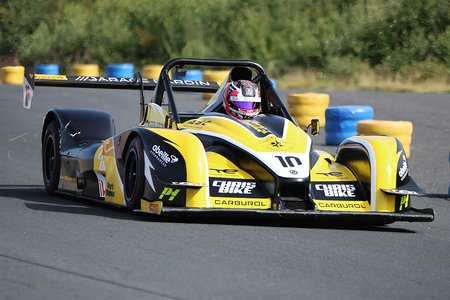
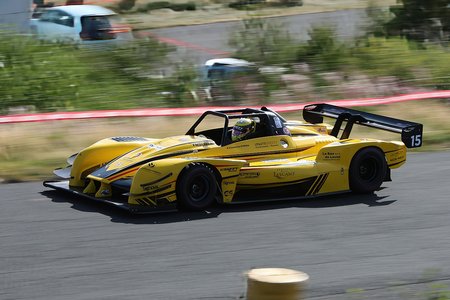
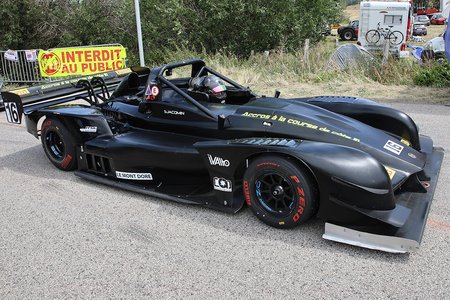
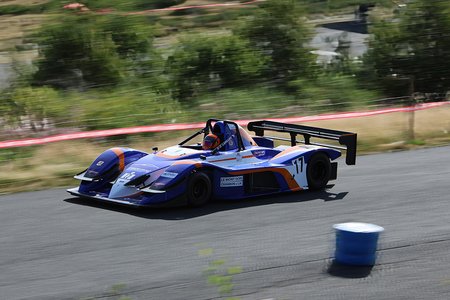
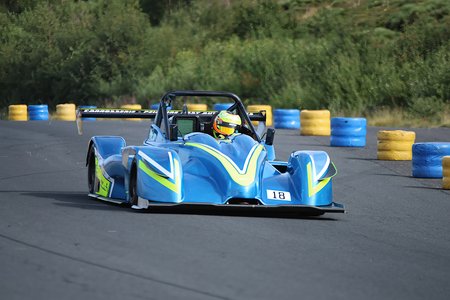
And, as always at the Mont-Dore, the stopwatch tells only part of the story.
A mountain with a long memory
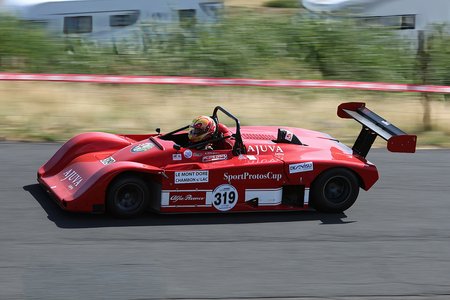
Since its first edition in 1961, the Mont-Dore has built a remarkable reputation. Generations of drivers have come to challenge the climb, while the event has welcomed machinery ranging from historic sports cars and single-seaters to today’s highly developed prototypes.
The return to the Croix Saint-Robert remains an important part of the event’s identity. The climb is fast, technical and physically demanding, with little room for error. The benchmark remains Geoffrey Schatz’s 2’08”103 record, set in 2023.
For the 2026 competitors, however, the immediate objective was not history but the stopwatch.
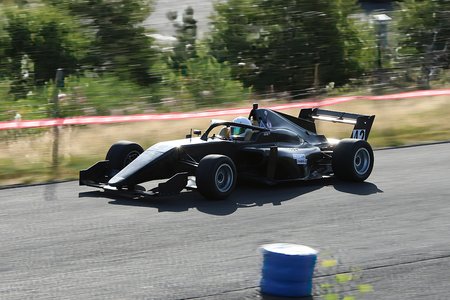
Three days of competition
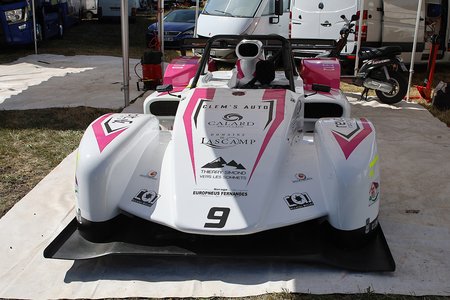
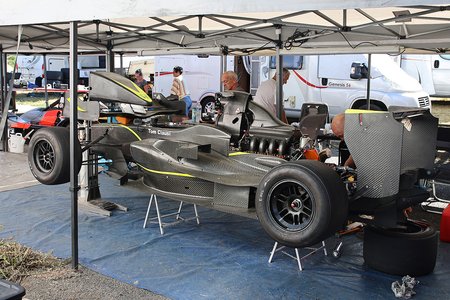
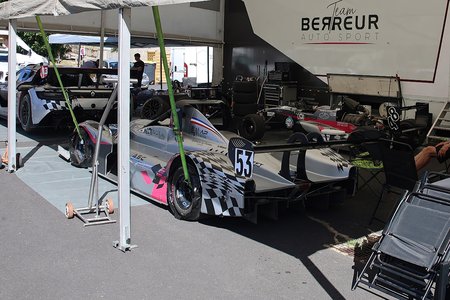
The weekend began on Friday with the traditional build-up to the competition: scrutineering, cars gathered around Mont-Dore and the opportunity for spectators to get close to the machines and drivers.
On Saturday, the atmosphere changed. Once the first cars left the start line, the mountain belonged to the competitors.
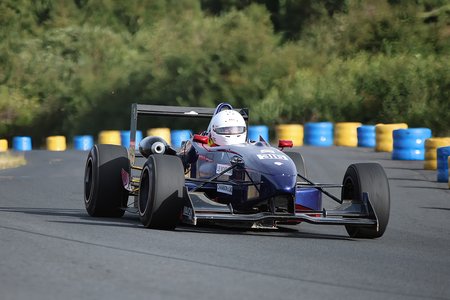
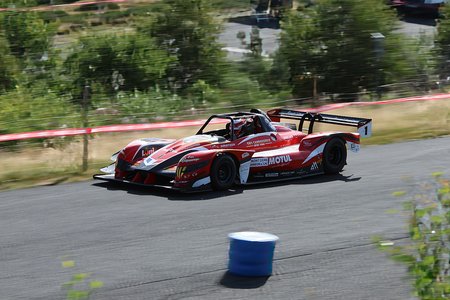
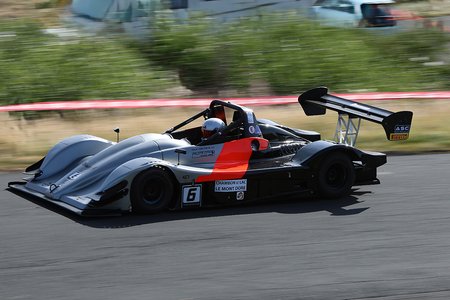
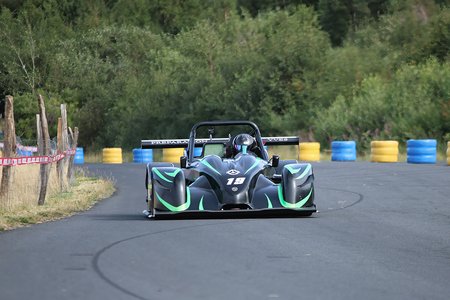
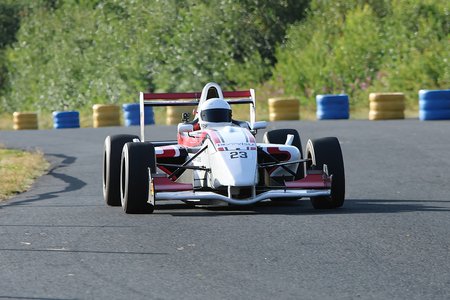
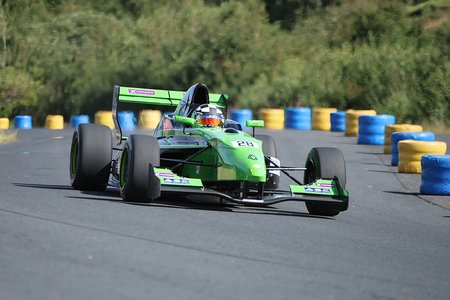
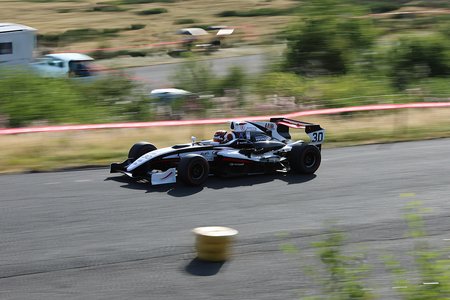
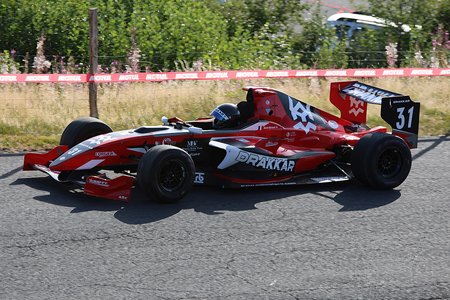
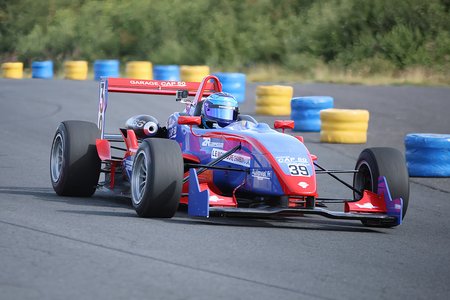
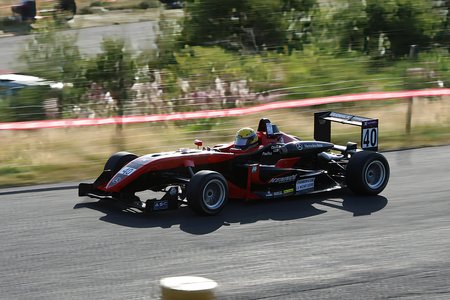
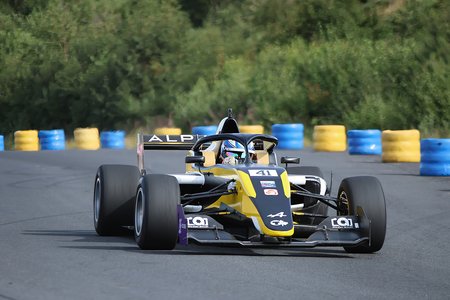
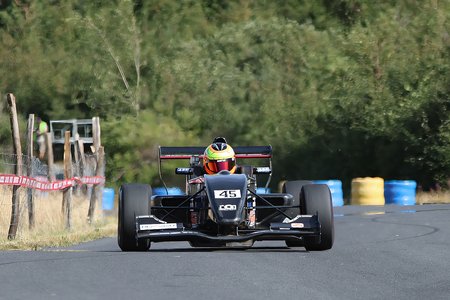
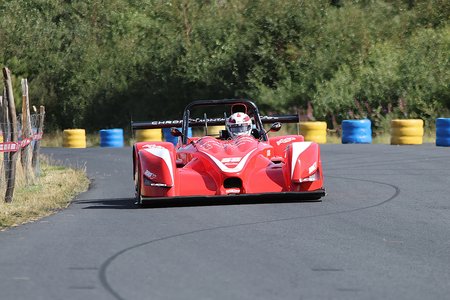
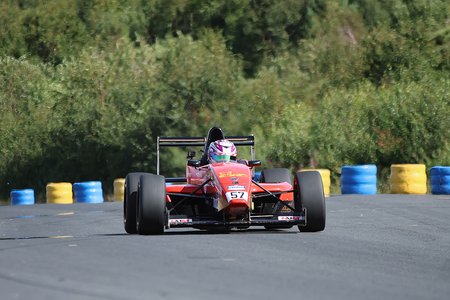
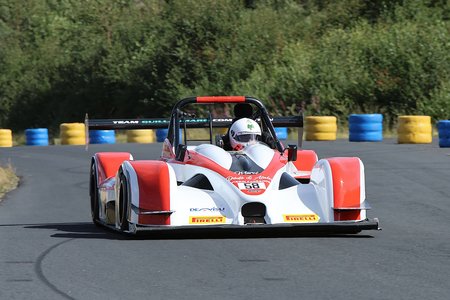
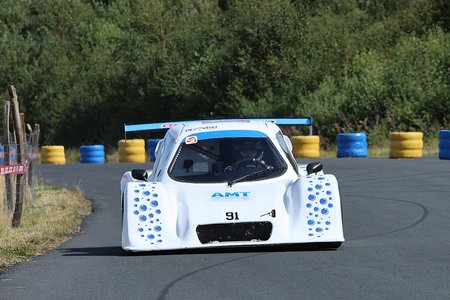
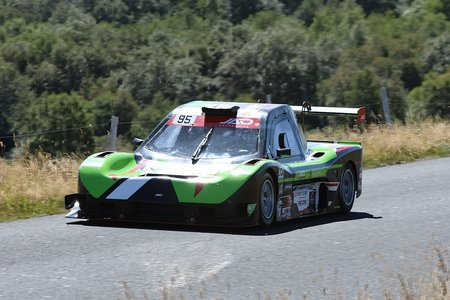
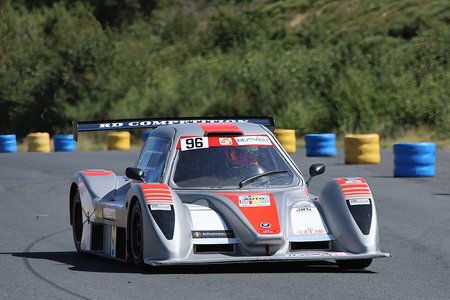
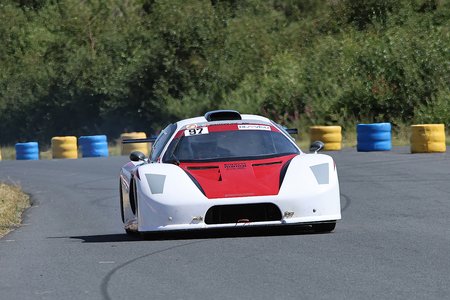
In the modern field, Marc Pernot immediately established himself as the man to beat. Driving his Nova-Proto NP01, he was fastest during both timed practice sessions. Behind him, Sébastien Jacqmin and Maxime Dojat were among those looking to challenge the reigning champion.
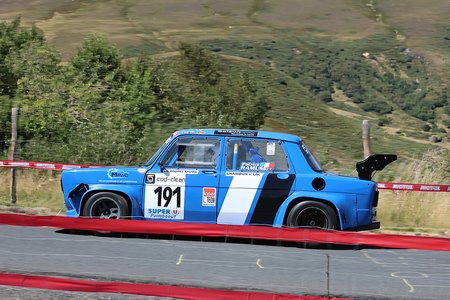
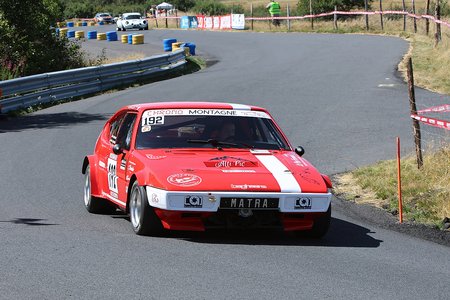
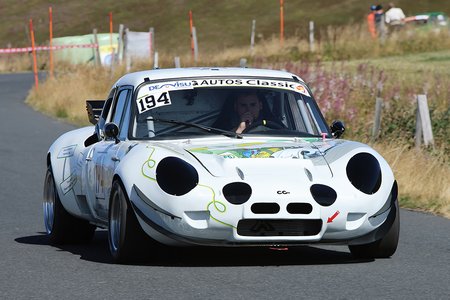
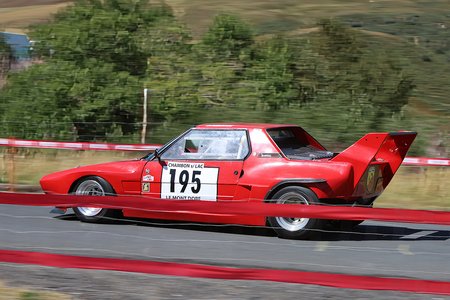
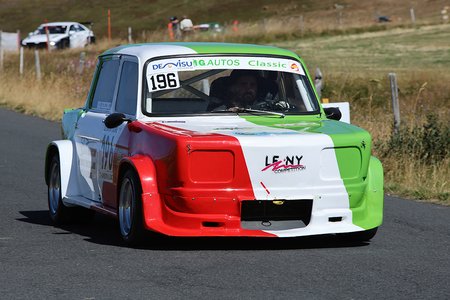
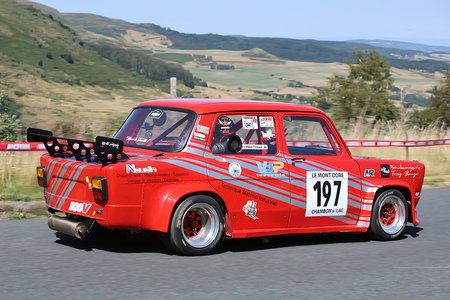
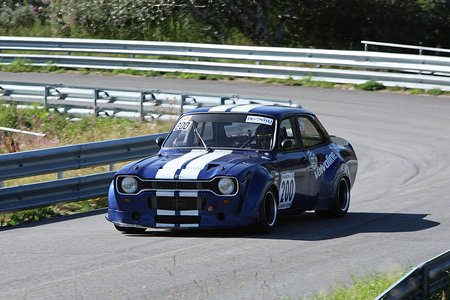
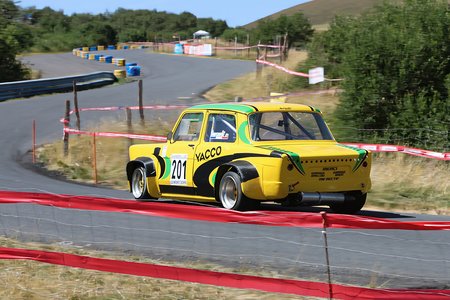
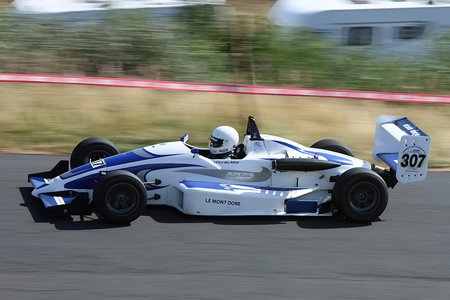
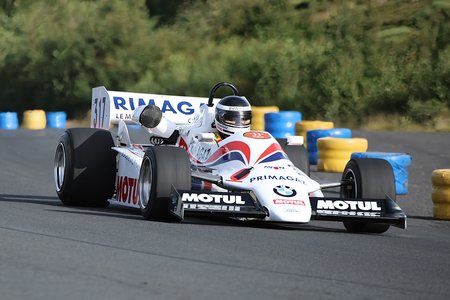
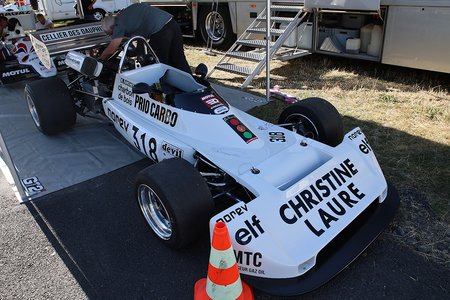
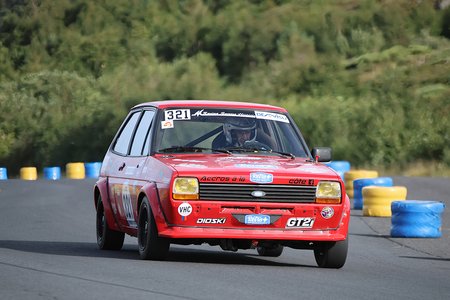
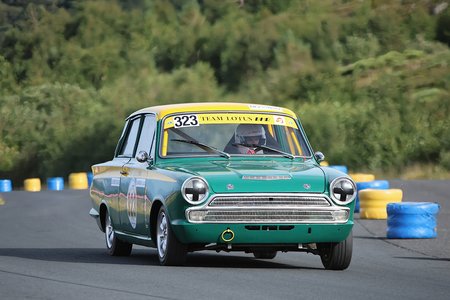
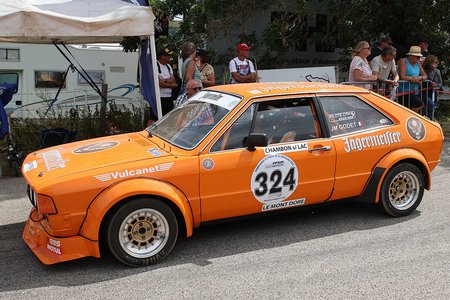
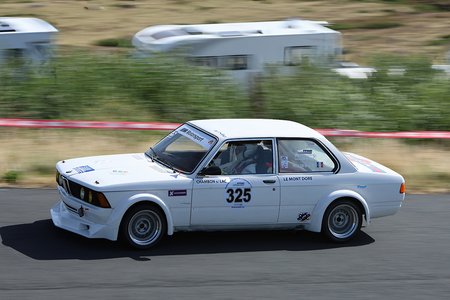
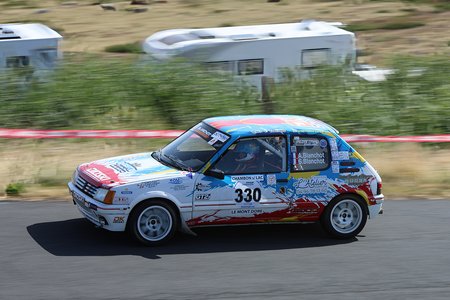
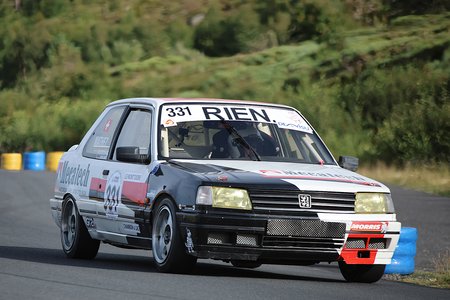
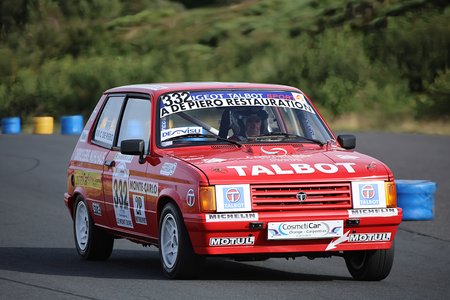
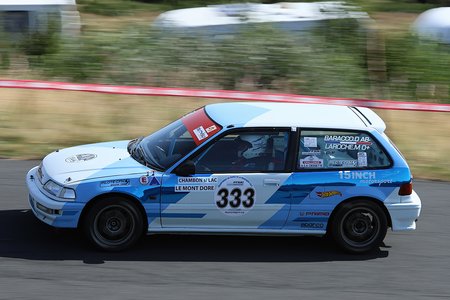
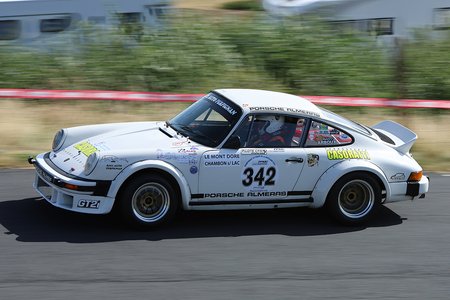
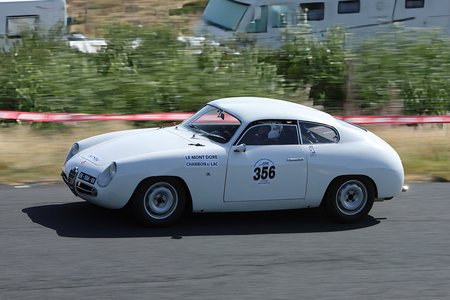
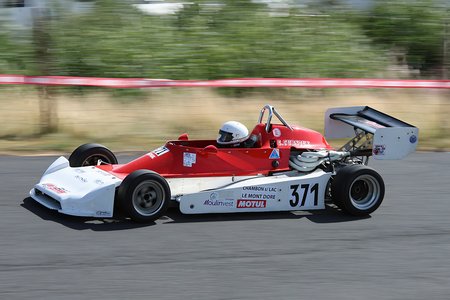
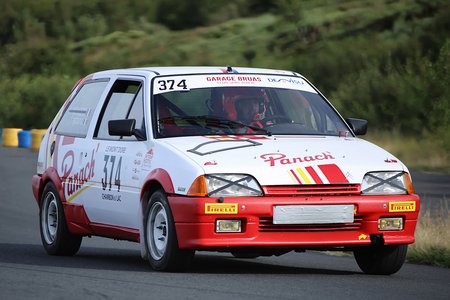
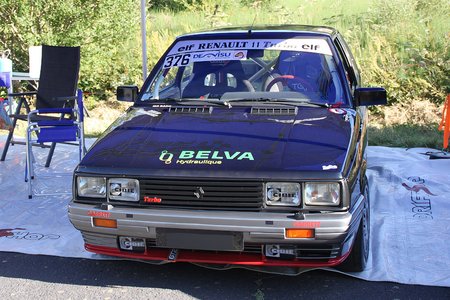
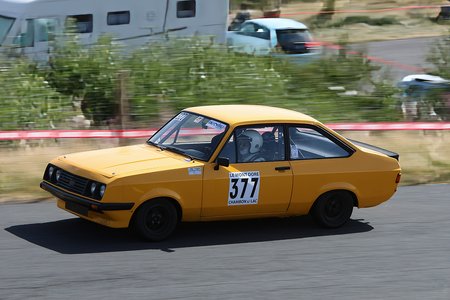
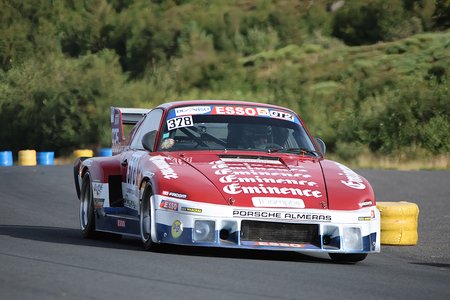
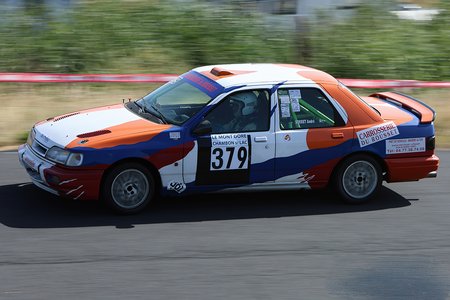
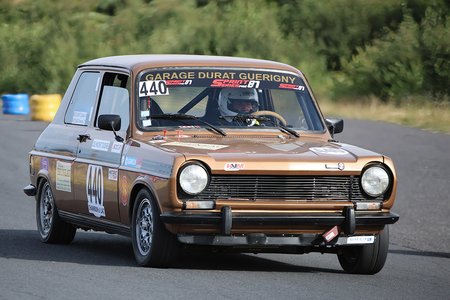
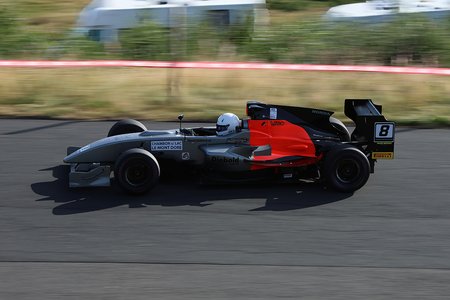
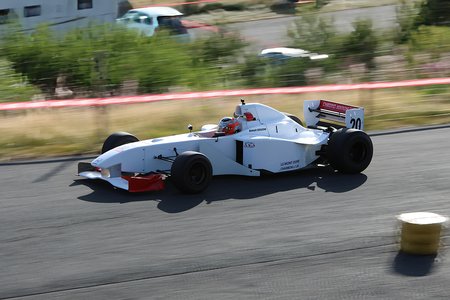
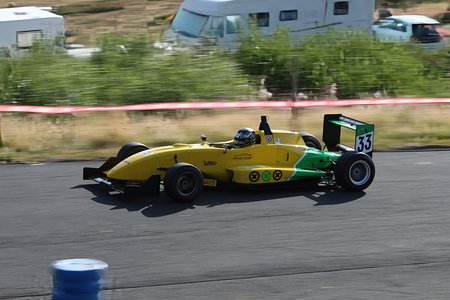
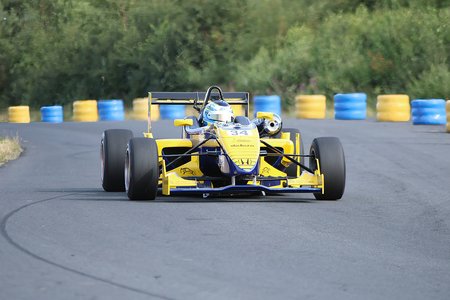
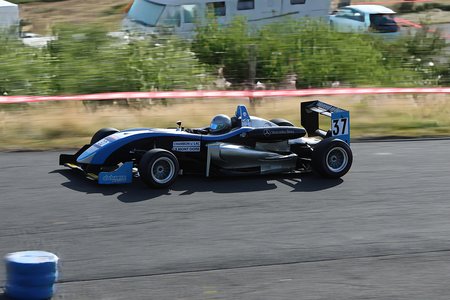
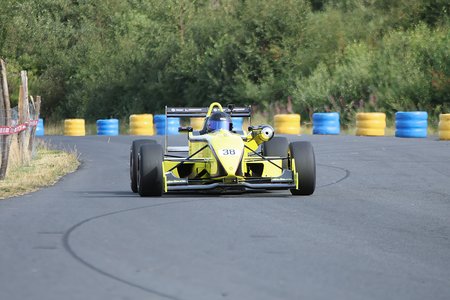
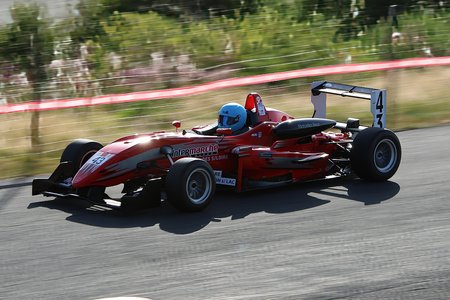
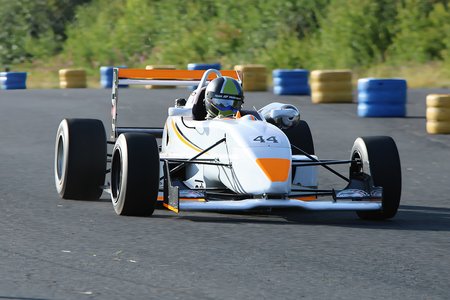
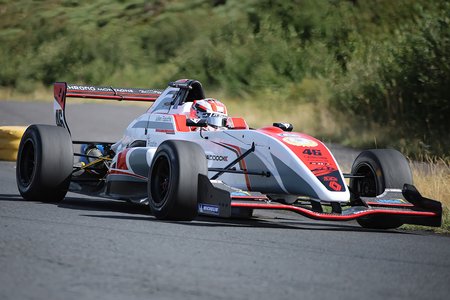
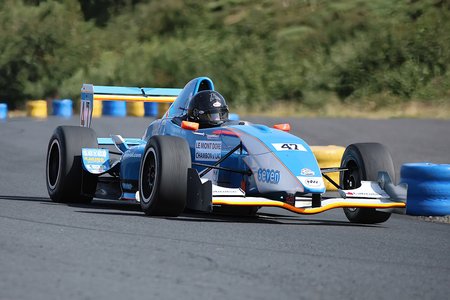
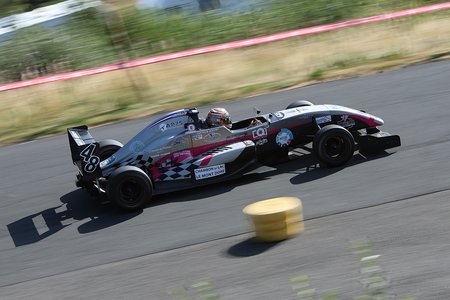
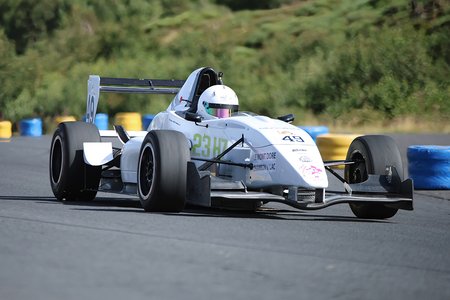
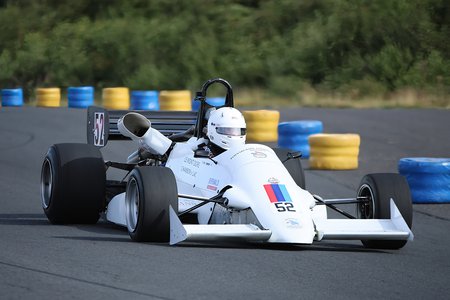
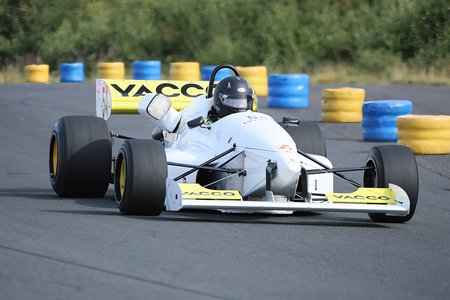
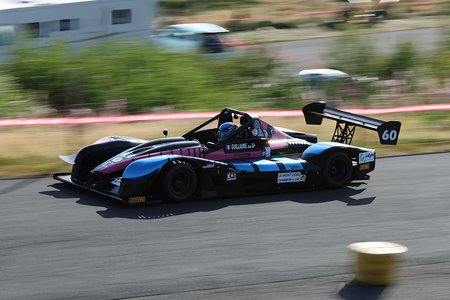
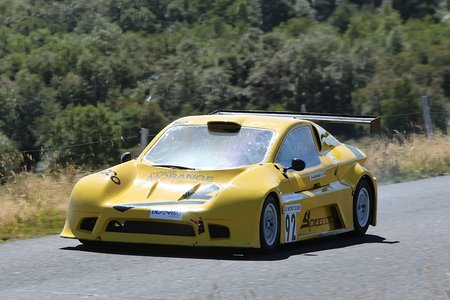
The VHC field provided a fascinating contrast. Thirty-two historic competition cars took part, bringing together several generations of racing technology. Eddy Antoine initially set the pace with his Dallara F399, but mechanical problems prevented him from maintaining his position. Nicolas Defix, driving a Martini MK43/45, consequently became one of the main protagonists of the historic competition.
That is the particular charm of the VHC at the Mont-Dore: these cars may have been designed decades ago, but once the stopwatch starts, they are racing cars again.
Sunday: the title is decided
Sunday brought the decisive runs. Pernot continued to set the pace, but changing weather conditions added another element of uncertainty as rain arrived during the afternoon.
On a mountain climb, such conditions can completely alter the balance. Grip becomes unpredictable and the driver must constantly adapt. Mechanical problems also took several competitors out of contention during the weekend.
Pernot, however, remained in control.
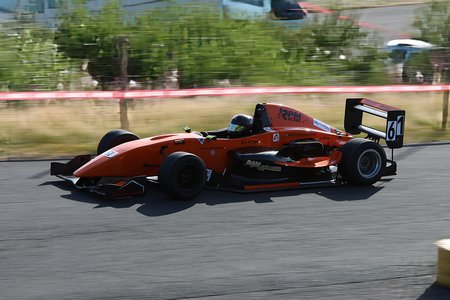
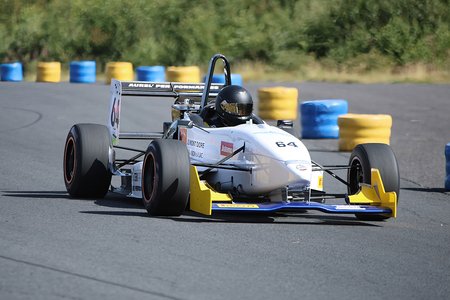
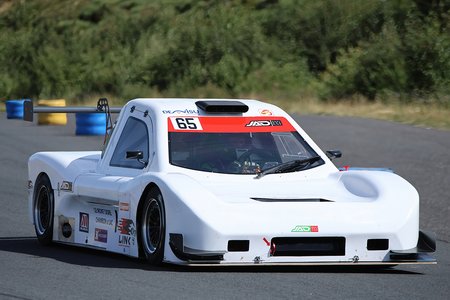
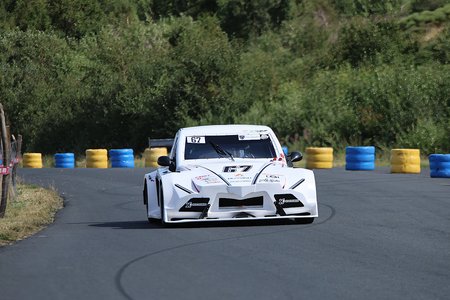
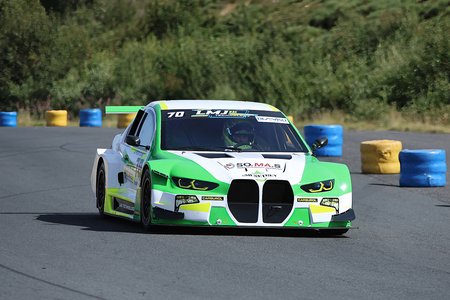
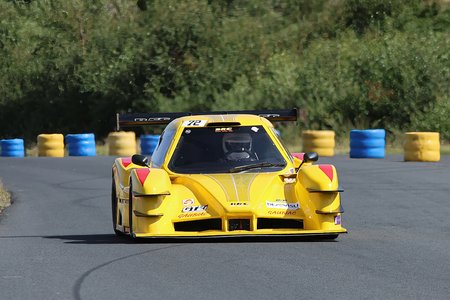
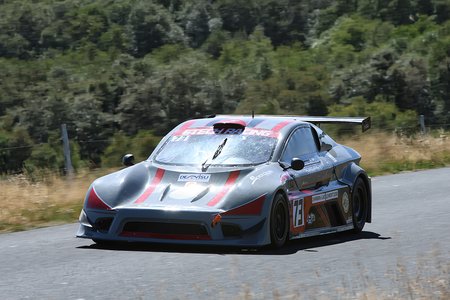
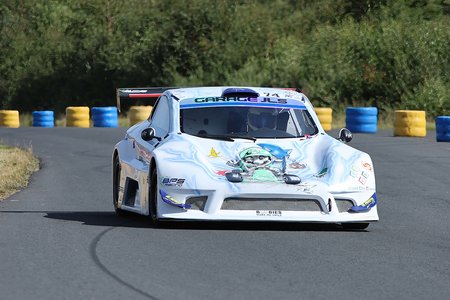
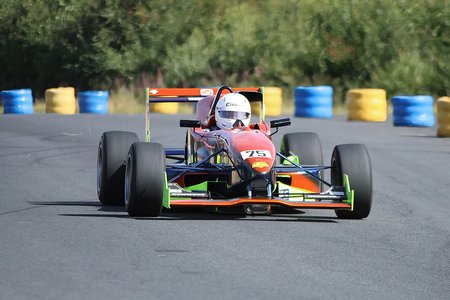
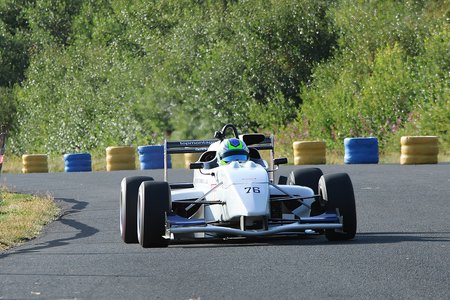
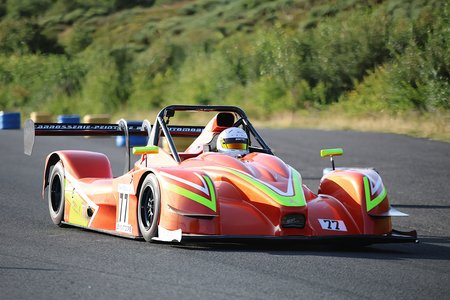
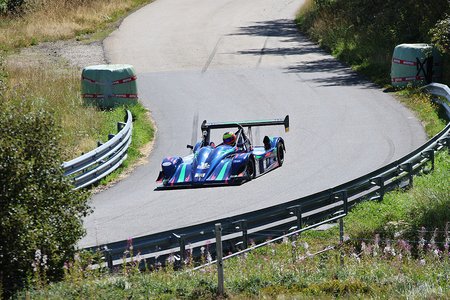
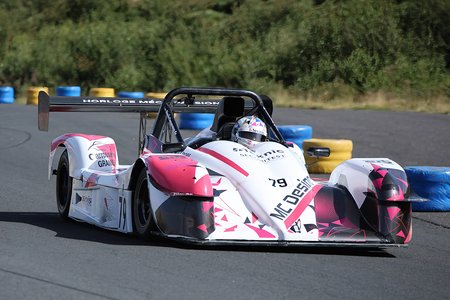
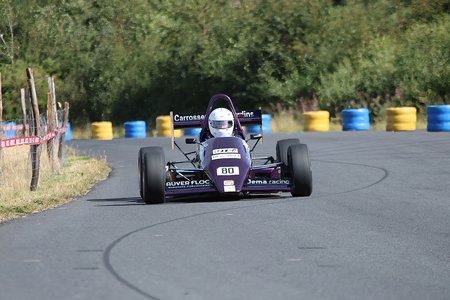
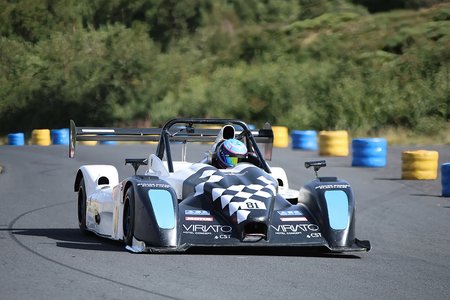
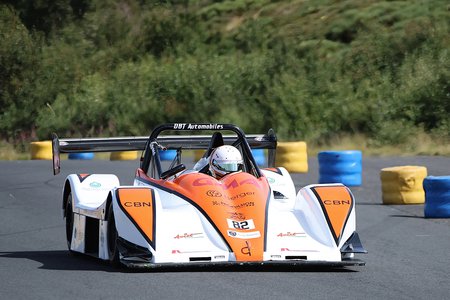
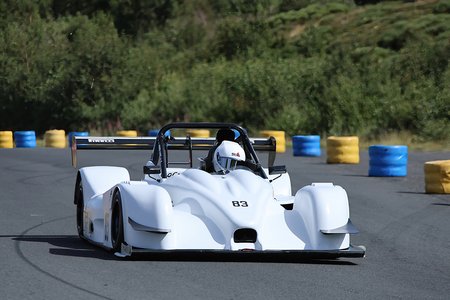
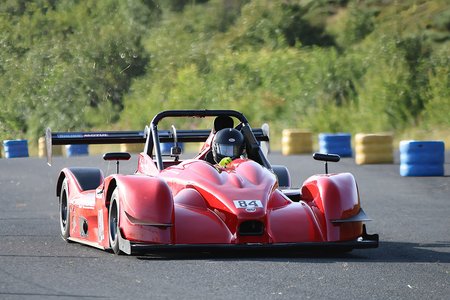
At the end of the competition, he took Sport victory with a total time of 4’25”339, ahead of Maxime Dojat, second in 4’34”064, and Sébastien Jacqmin, third in 4’35”545.
For Pernot, this was more than another victory. The result secured his third consecutive French Mountain Championship title, confirming his domination of the 2026 season.
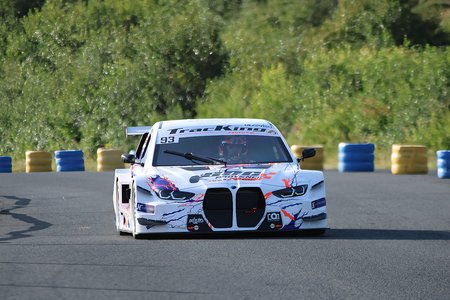
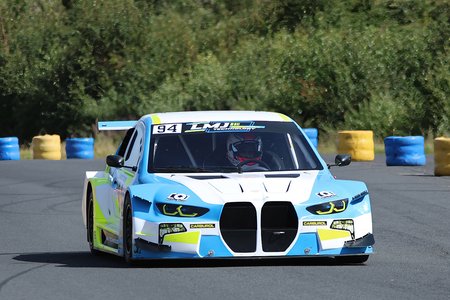
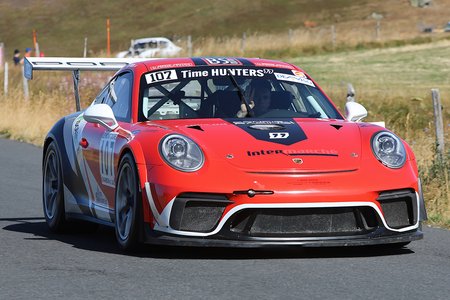
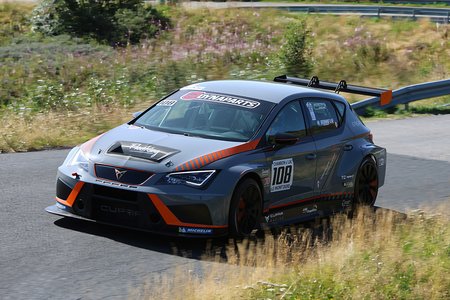
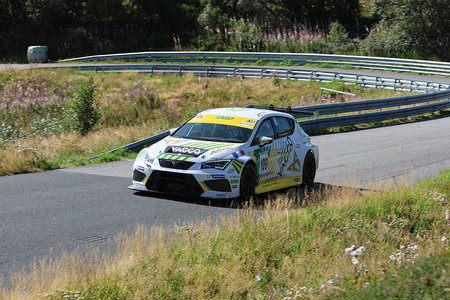
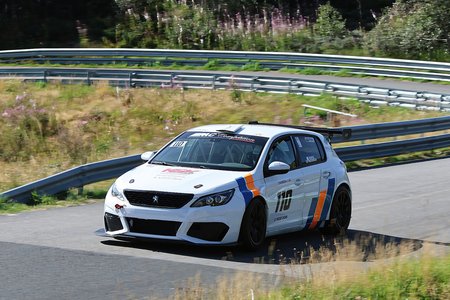
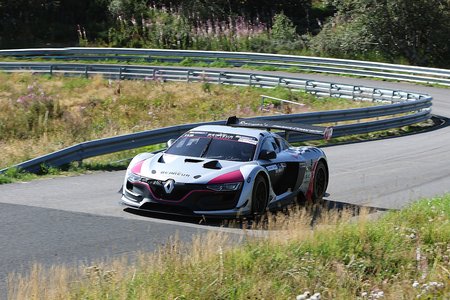
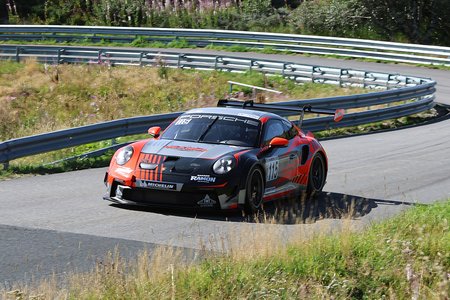
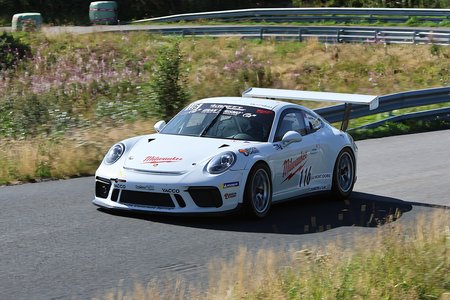
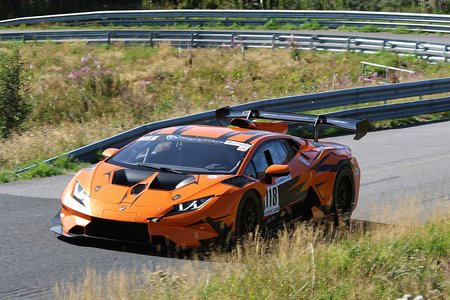
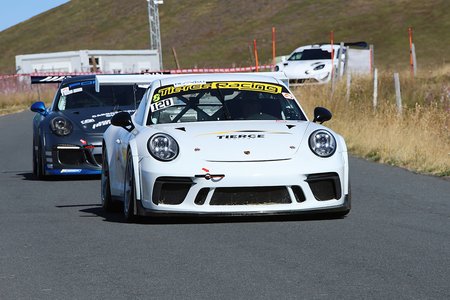
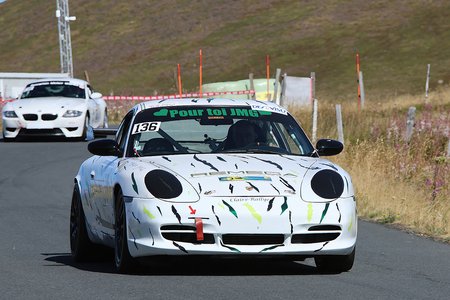
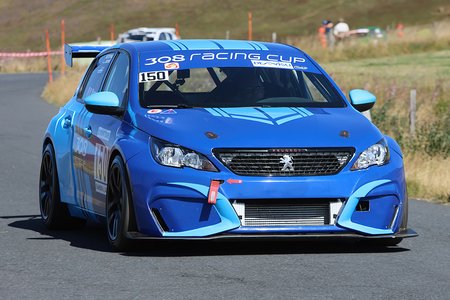
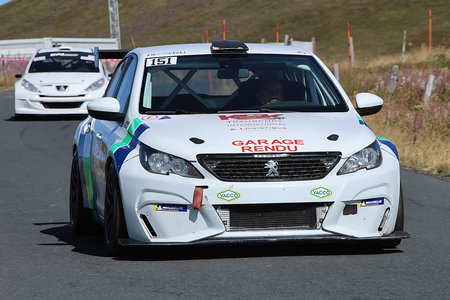
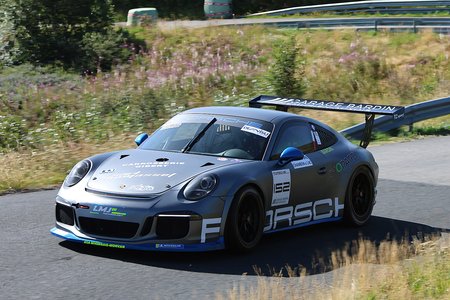
In Production, Nicolas Werver took victory with his Porsche 997 GT3 R, while Anthony Dubois and Jean-François Ganevat completed the leading group.
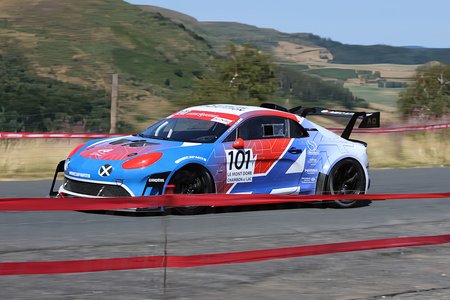
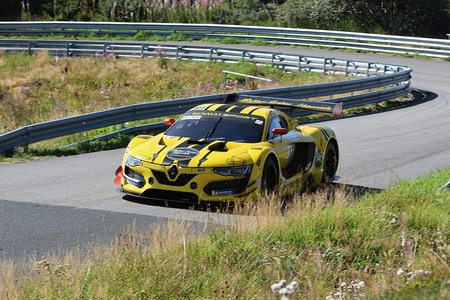
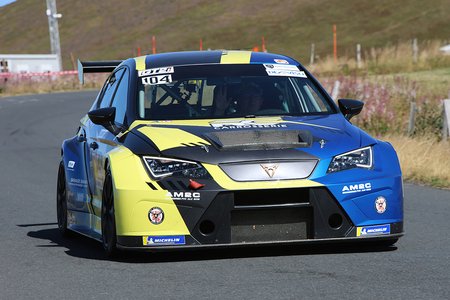
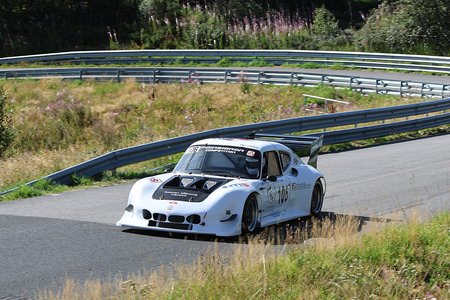
VHC: racing history at full speed
The 19th VHC edition deserves a story of its own.
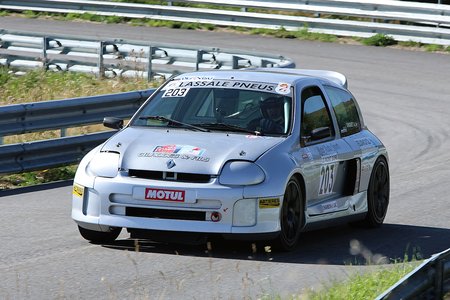
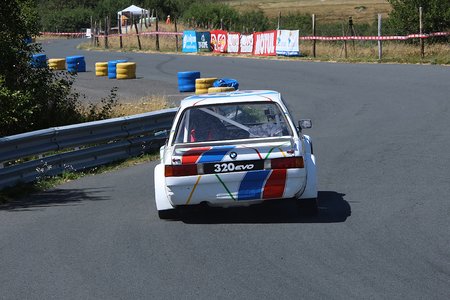
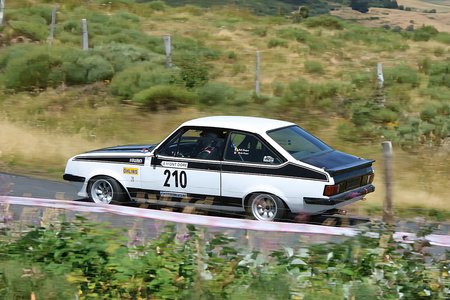
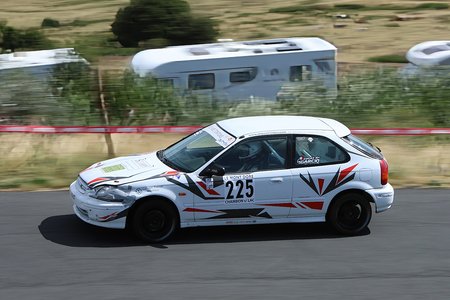
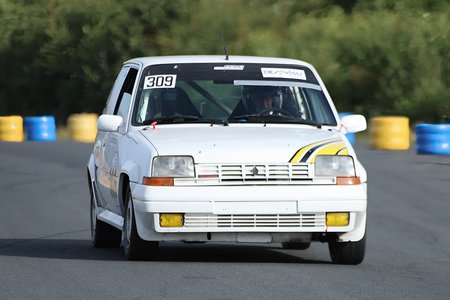
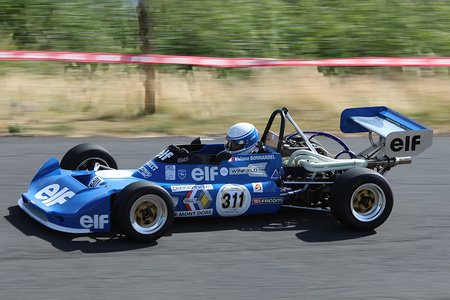
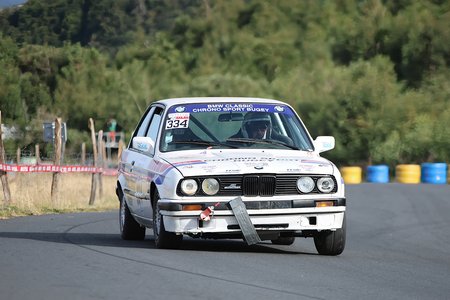
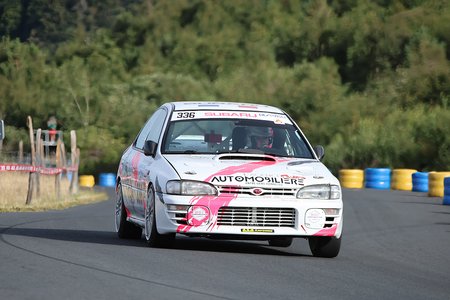
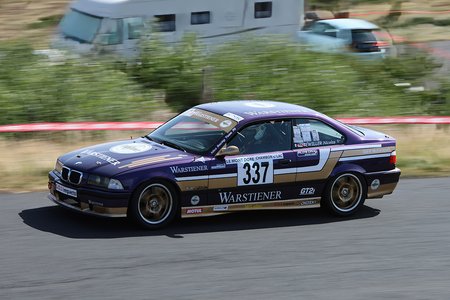
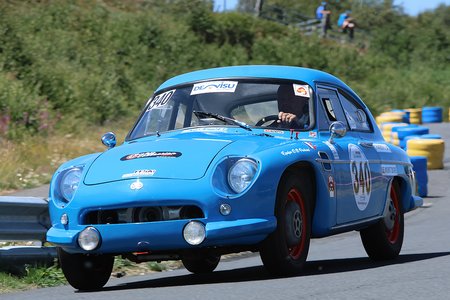
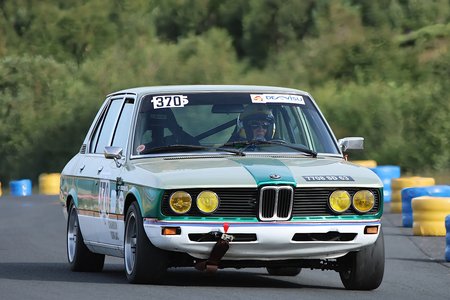
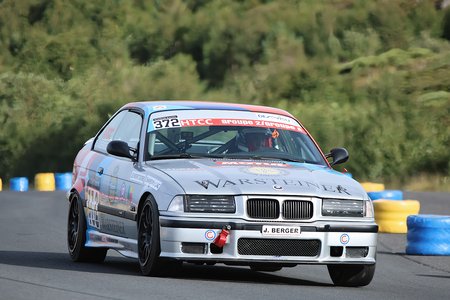
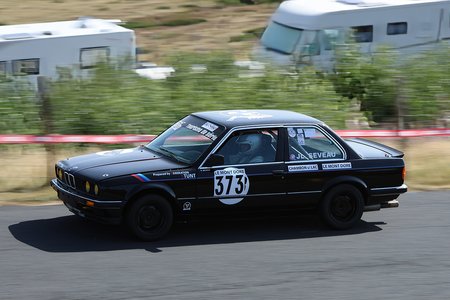
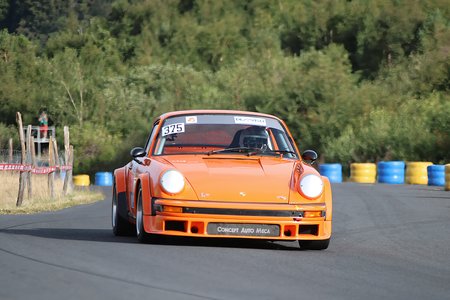
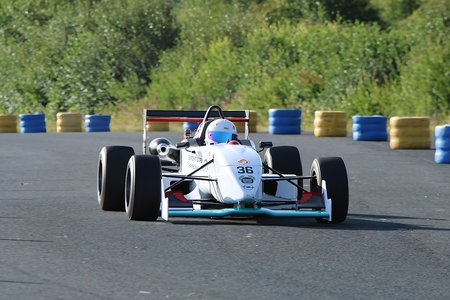
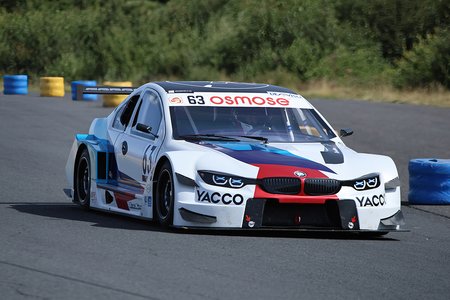
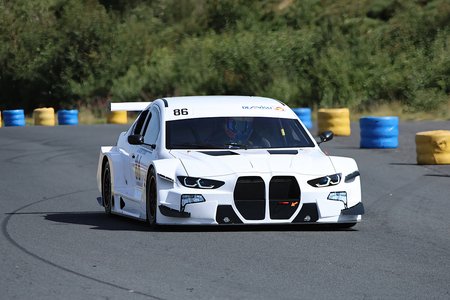
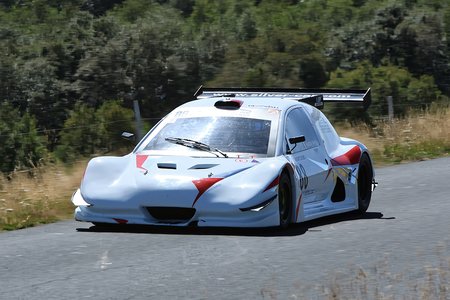
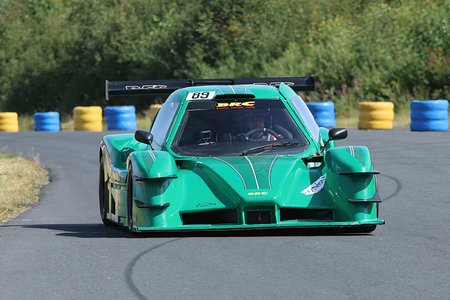
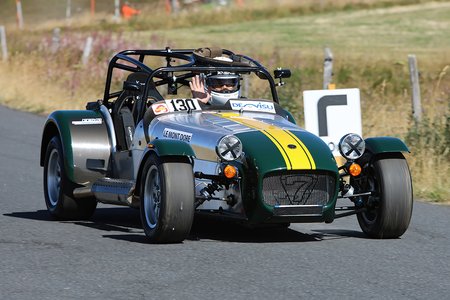
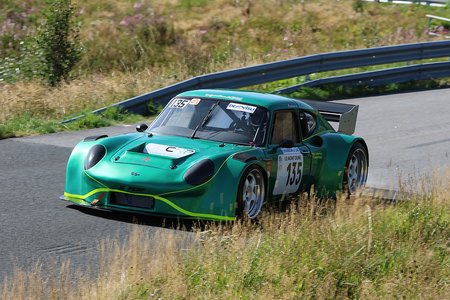
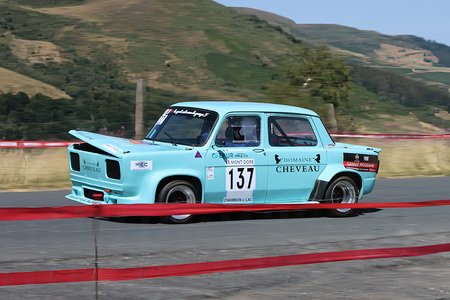
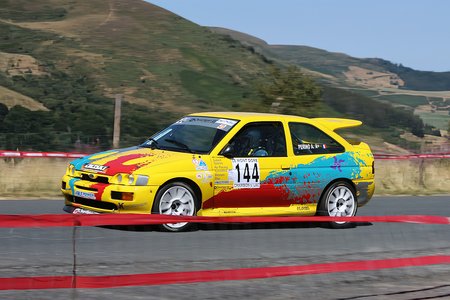
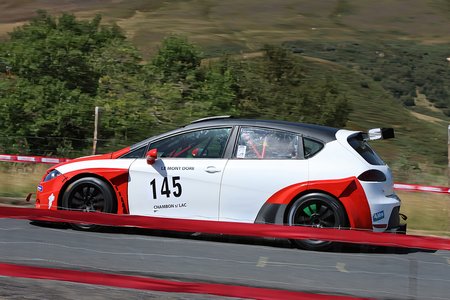
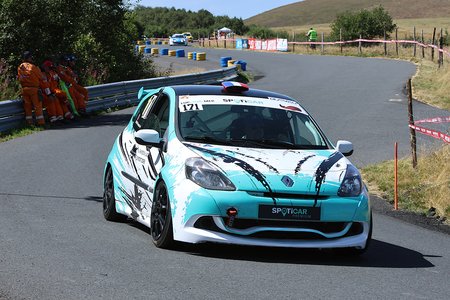
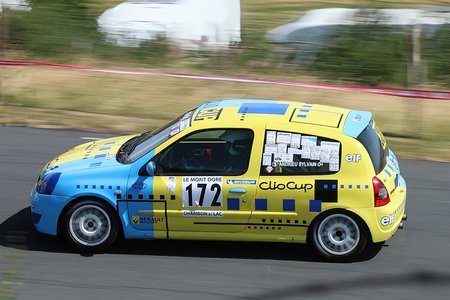
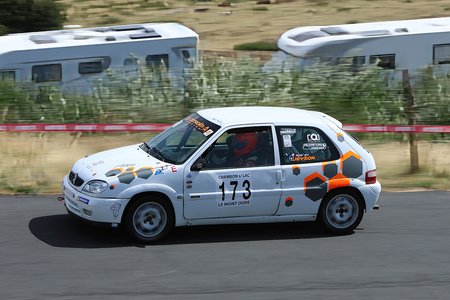
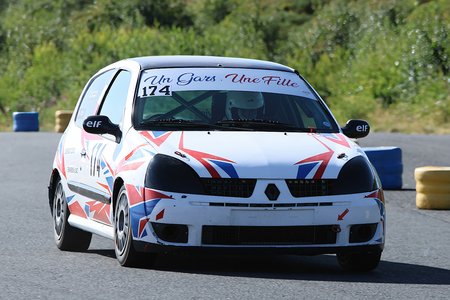
The historic competitors did not come to Mont-Dore simply to display beautiful cars. They came to race. The sight and sound of the Martini, Reynard, Dallara, BMW, Porsche and other historic machines attacking the mountain provided one of the highlights of the weekend.
After Antoine’s early mechanical problems, Nicolas Defix emerged as the leading figure in VHC Sport with his Martini MK43/45.
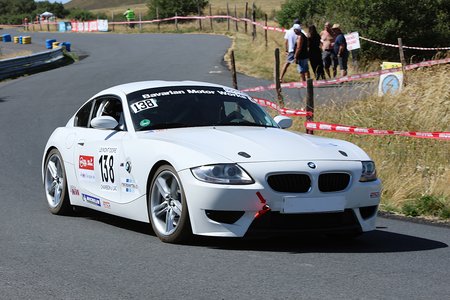
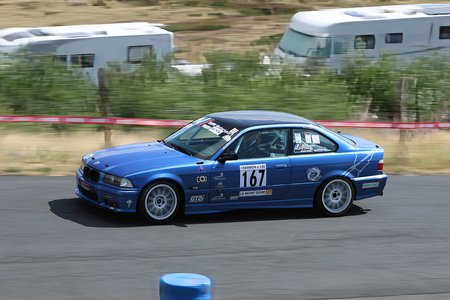
In VHC Production, Nicolas Uttewiller took the honours with his BMW M3.
Their performances illustrated the fundamental attraction of historic hill climbing: the cars may belong to another era, but the competitive spirit is exactly the same.
More than a race
The Mont-Dore is ultimately about more than the final classification.
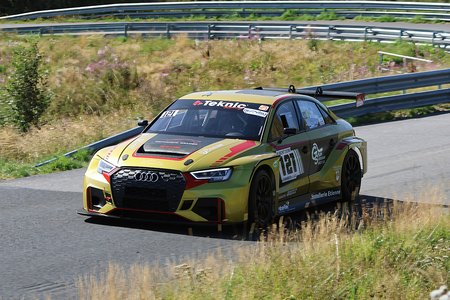
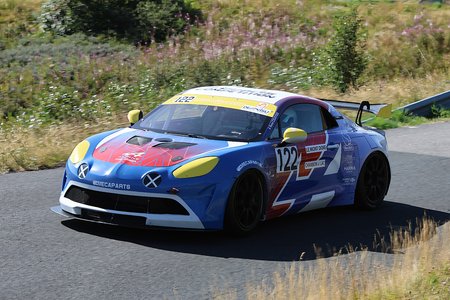
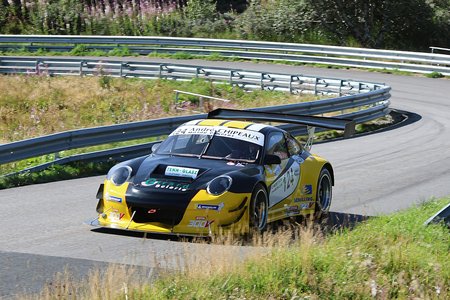
It is the meeting of the mountain, the cars, the drivers, the teams, the volunteers and a public that returns year after year. The organisation requires considerable experience, with the event’s team bringing together decades of involvement in the climb.
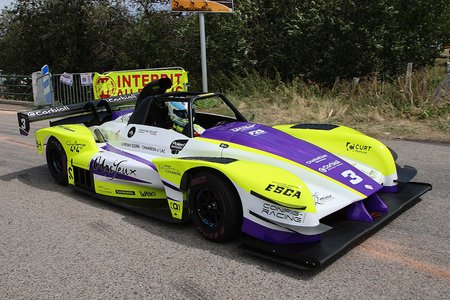
For three days, the road to the Croix Saint-Robert becomes a place where automotive history and modern performance coexist. The spectators can see highly sophisticated prototypes followed by machines whose designs recall another age of motor racing.
That is perhaps what makes the Mont-Dore so special.
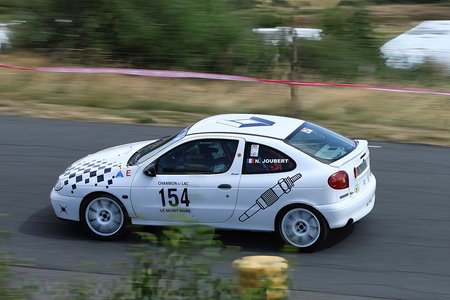
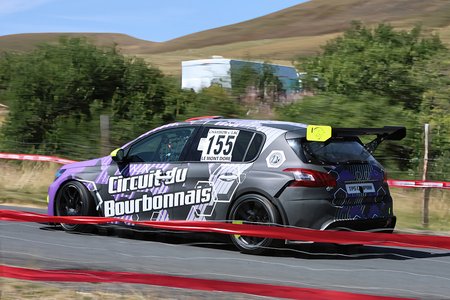
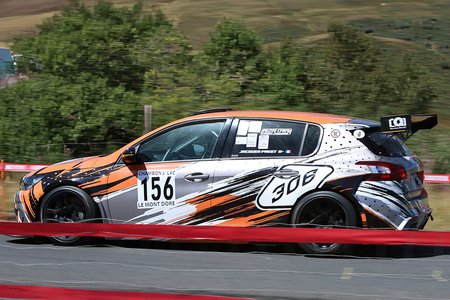
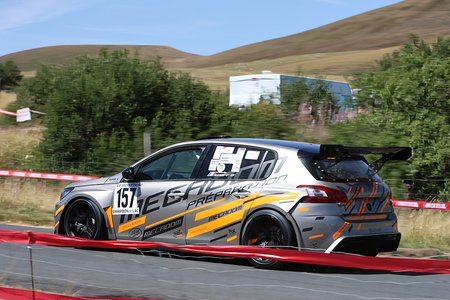
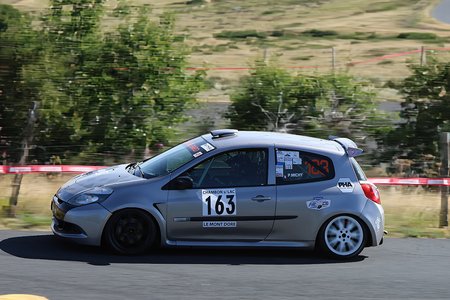
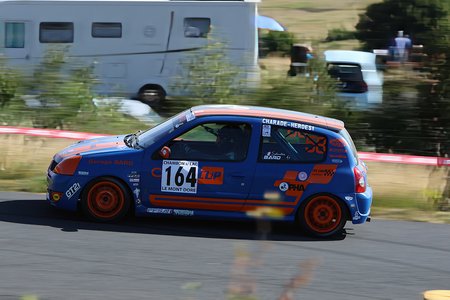
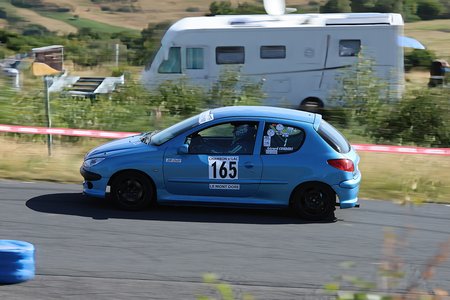
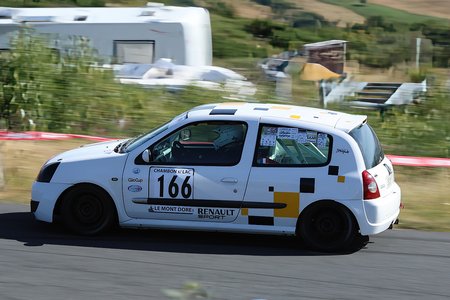
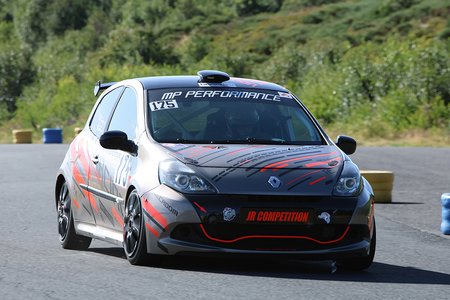
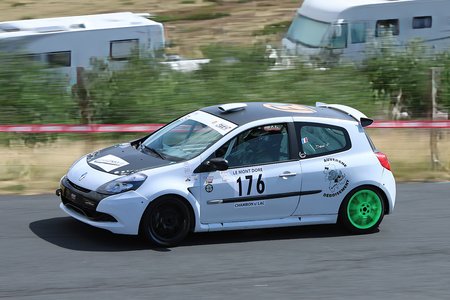
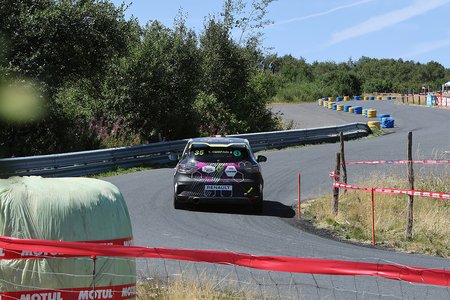
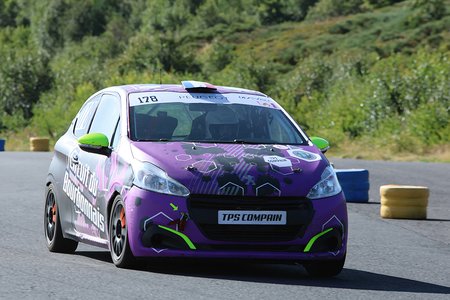
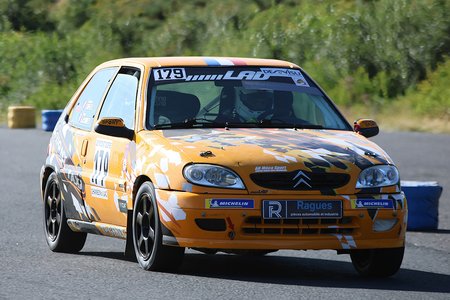
The 66th edition ended with Marc Pernot adding another victory and another championship title to his record, while Nicolas Defix carried the VHC honours. But once the last cars had returned to Moneaux and the engines fell silent, the mountain reclaimed its normal tranquillity.
For another year, the Croix Saint-Robert had been conquered.
And, inevitably, the stopwatch is already waiting for the next attempt.