Practice sessions
After a long summer break after the Le Mans 24 hour race, the WEC is back in action, this time for the first time in Germany - in the modern history, which starts in 2012, despite the roots of this championship go back to 1953. It became the third race in a row to be covered by RSC in person. In any case this will be the last one this year as the championship then moves to America and Asia for its second half.
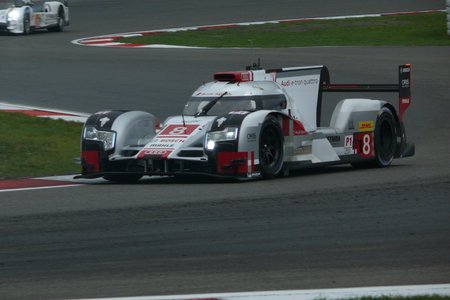
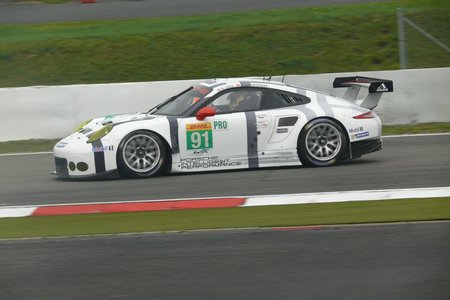
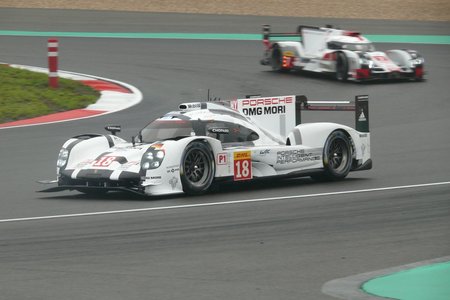
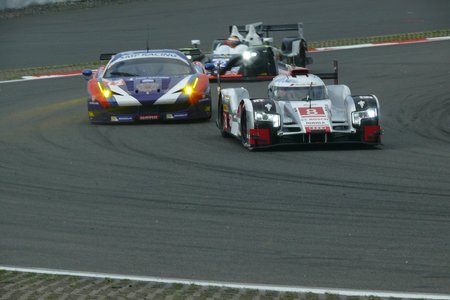
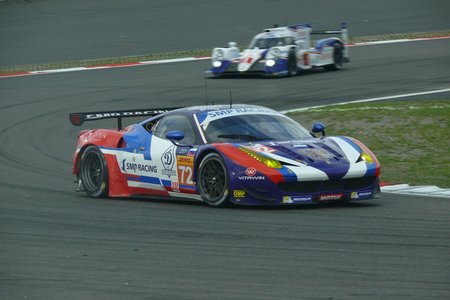
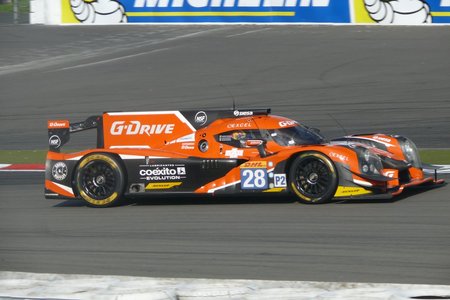
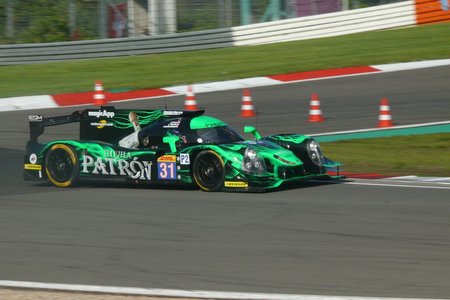
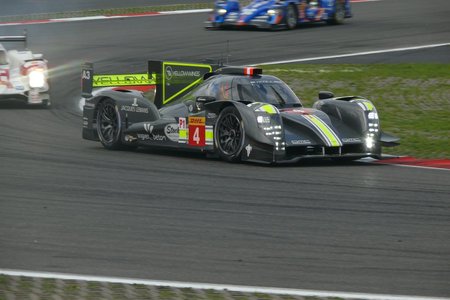
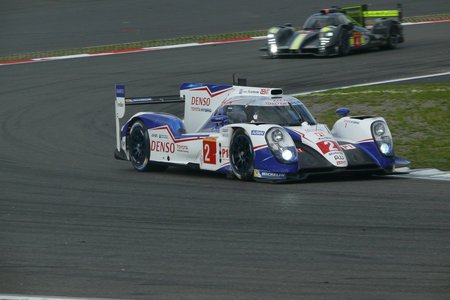
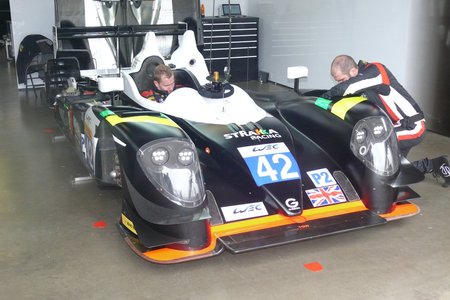
The entry list is a bit weaker compared to the two previous races, in Spa, and in France. Both Porsche and Audi are back to just two-car teams, while Nissan has withdrawn their efforts from WEC, at least for the time being. Another car missing from the grid is factory OAK Ligier. Apart of those three withdrawals there was one partly significant change to the originally issued entry list. Following the decision to decimate LMP2 manufacturers, Strakka Racing announced to replace their new Dome with an old Zytek, chassis 07, now also rebranded as Gibson. The Dome is now used for a development of a new, potentially LMP1 contender.
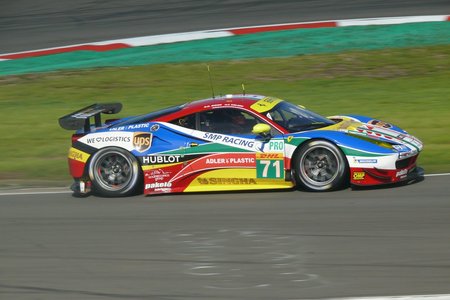
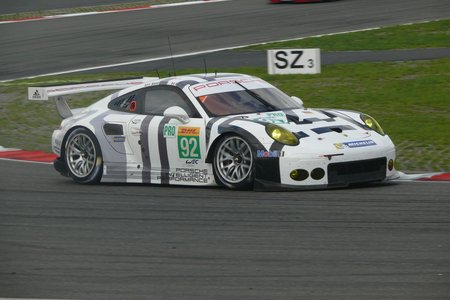
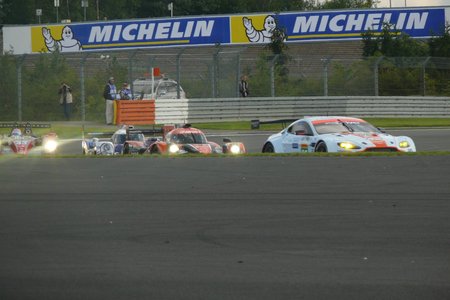
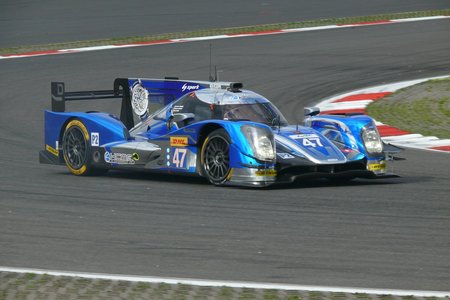
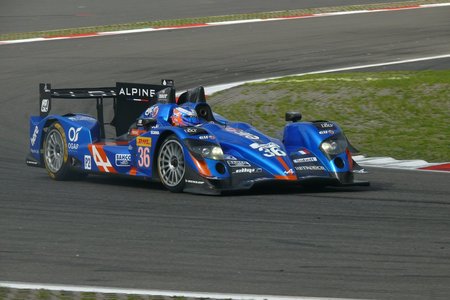
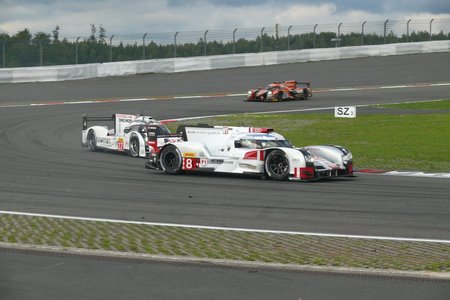
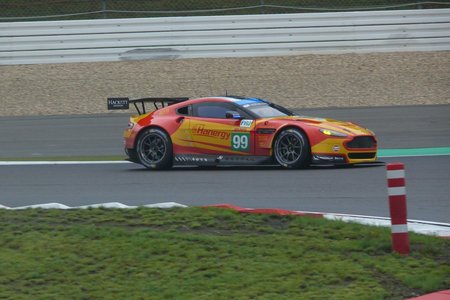
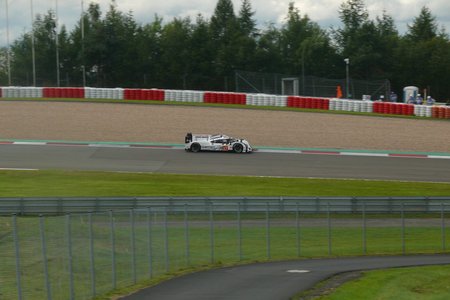
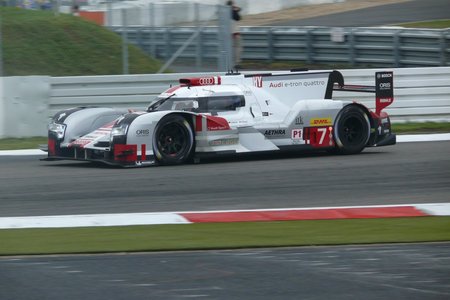
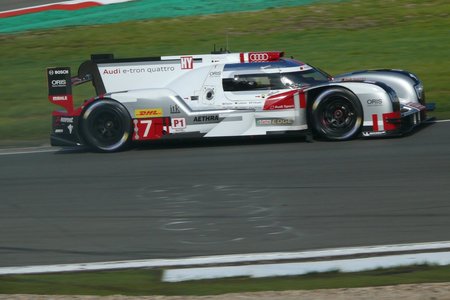
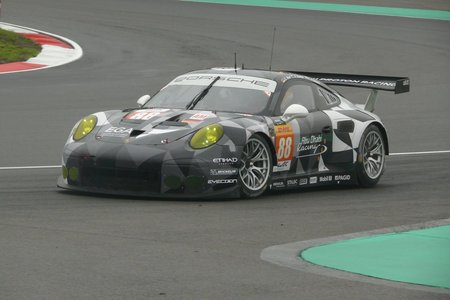
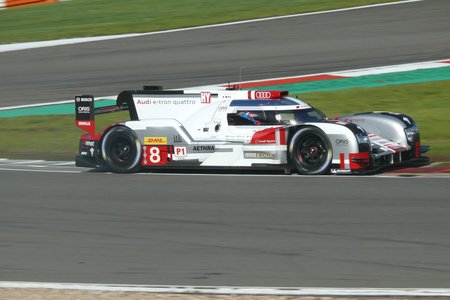
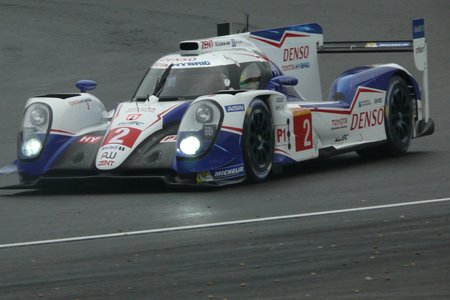
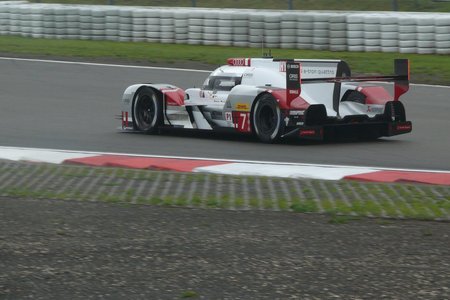
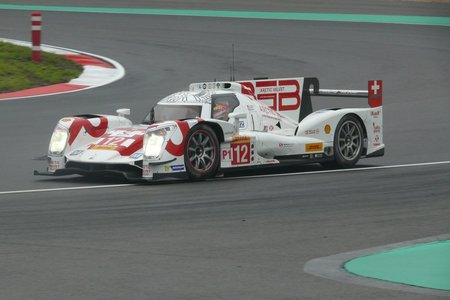
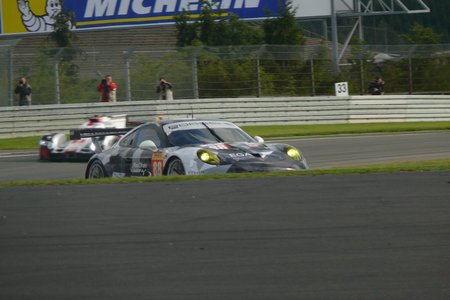
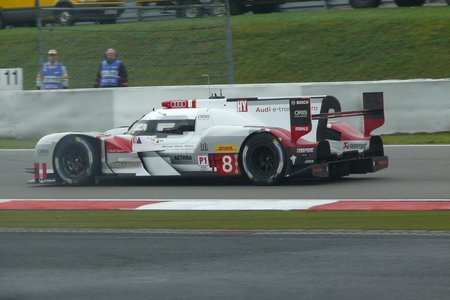
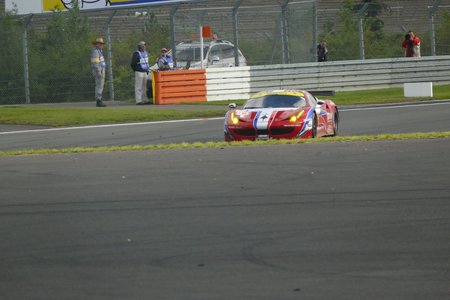
The race programme is divided into three say: Friday with 2 free practice sessions, Saturday, a shorter practice session and qualifying and Sunday, the race. The first Friday session, scheduled to start at noon, was actually held mainly on a wet track, which continuously dried. And time improved. As expected Toyotas soon disappeared from the top positions, while Audi and Porsche improved changing their top positions almost every second lap, they were on track. Despite the Porsche team looked slightly dominant during the one and half hour session, it was Audi number 7 of Fässler, Lotterer and Tréluyer, that set the best lap, at the end of the session. The other Audi was third, both Toyotas some 2-seconds off the pace of Audi and Porsche, while other (all private) LMP1 entries struggled to beat the best LMP2 Ligier, car number 28, which was classified seventh. GTE class was dominated by two AF Corse Ferraris ahead of a Manthey Porsche duo.
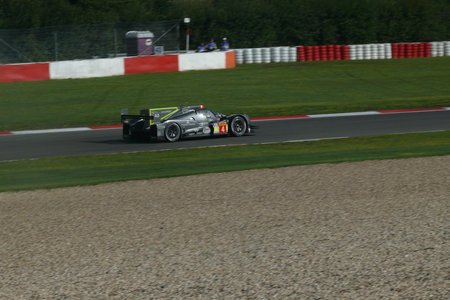
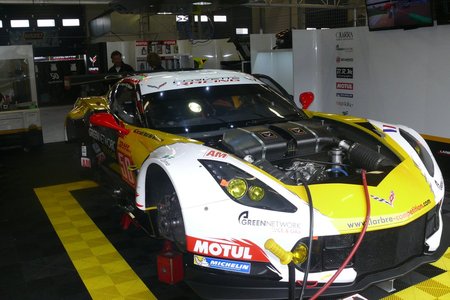

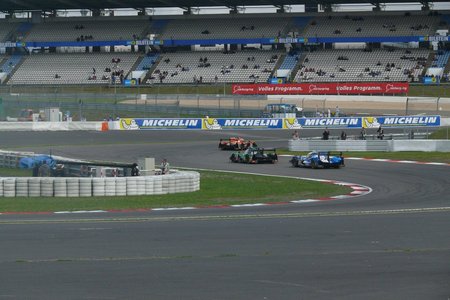
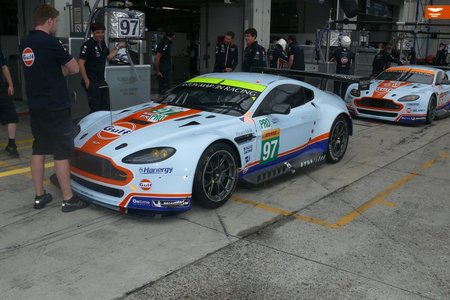
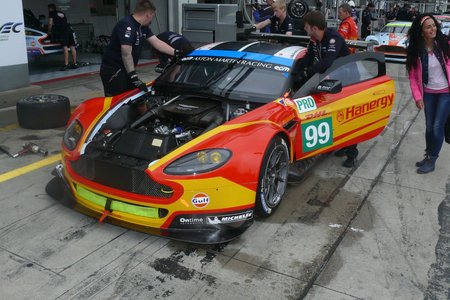
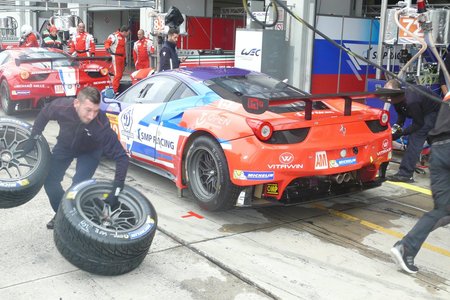
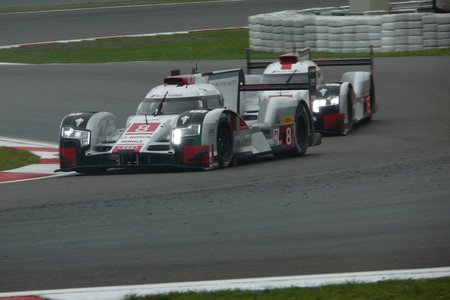
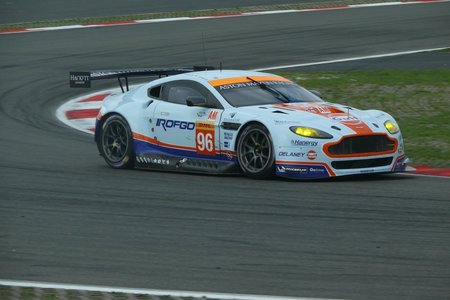
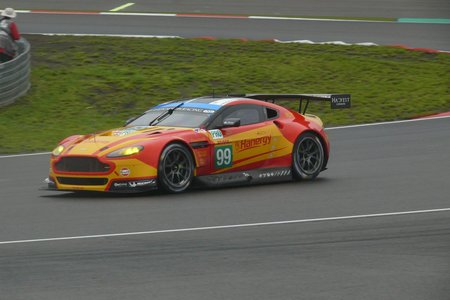
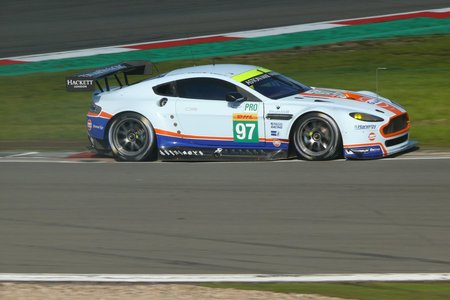
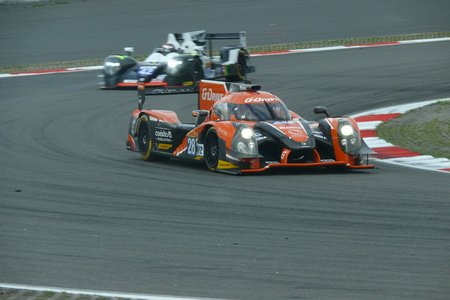
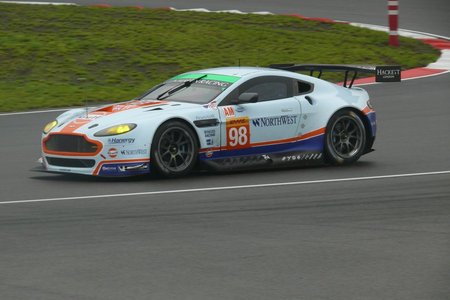
The second Friday session saw Audi no.7 and both Porsches, all three cars separated by 0.7 seconds. Audi was once again at the top. The second Audi was about one second slower, while both Toyotas were further two seconds back. All private LMP1s, which were represented here by former Lotus CLM and two Rebellions, ran within once second range, and were now faster than entire LMP2 field. Those smaller prototypes had two G-Force Ligier at the top, just ahead of debuting Strakka Gibson. GTE was now mainly about Aston Martins. Out of five present cars, three was among the four fastest GT cars, split only by second quickest AF Corse Ferrari no.51.


Qualifying
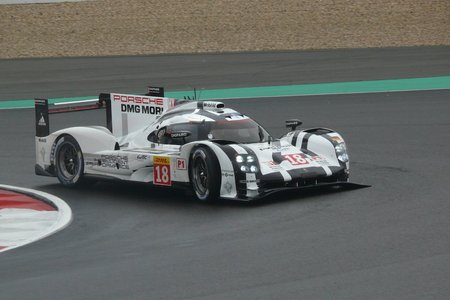
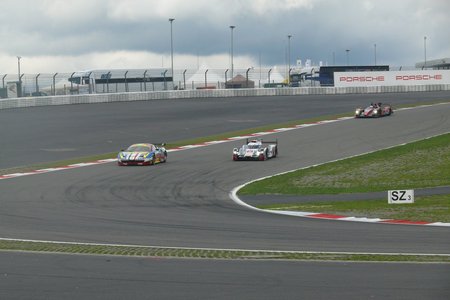
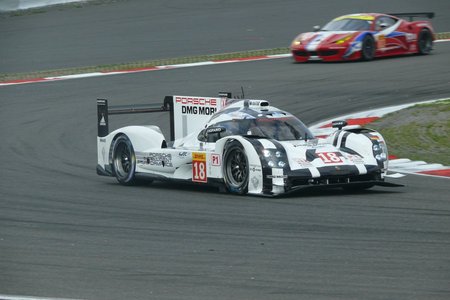
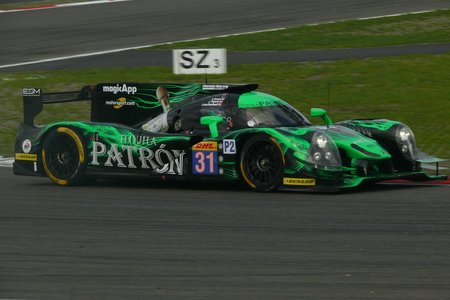
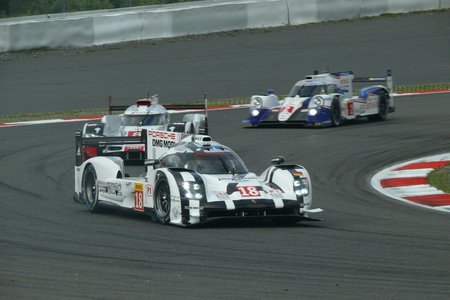
On Saturday Porsches were unbeatable. Audis settled third and fourth, ahead of both Toyotas, Rebellions and Lotus. This base pattern of LMP1 positions was unchanged between the last practice session and the qualifying. In LMP2, for the first time the coupe version of the Oreca LMP2 was at the top this weekend. G-Drive Ligiers were the strongest competition for the Oreca, however near the end of the practice, the Alpine re-branded Oreca moved to third in between them. A lone Morgan was fifth, ahead of the Strakka Gibson, which was only sixth, after surprisingly winning the last free practice session. By the way, many of cars were slower in the qualifying session than during the morning's free practice session, including the pole winning Porsche no.18.
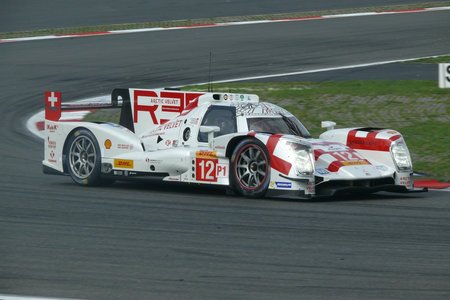
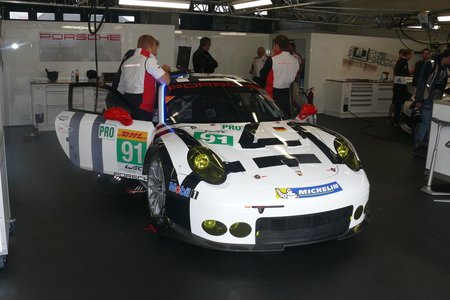
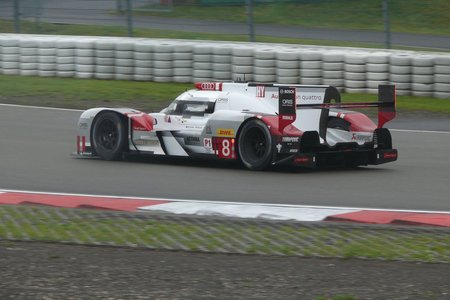
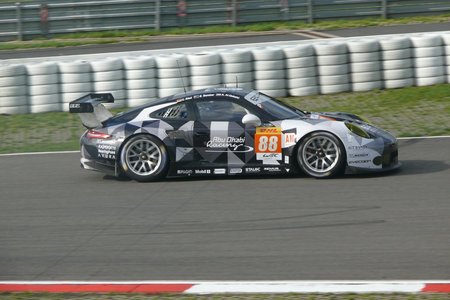
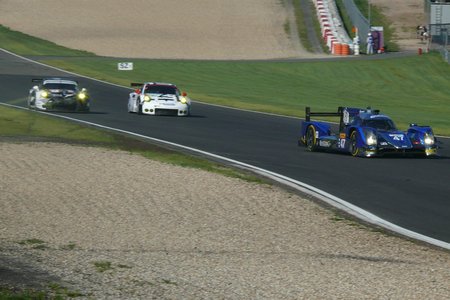
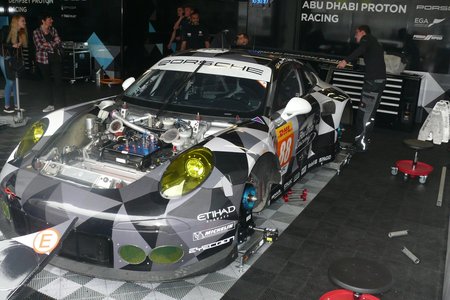
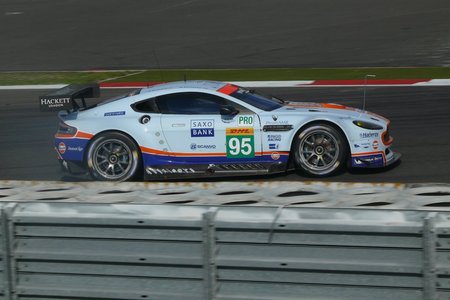
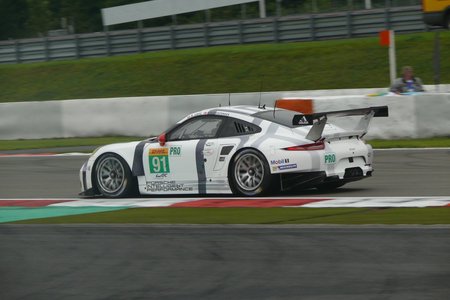
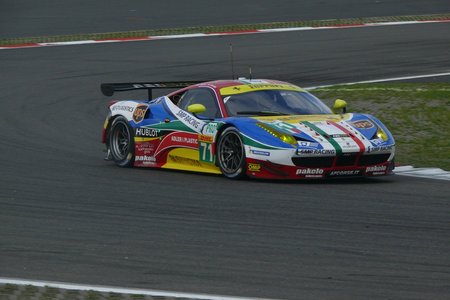
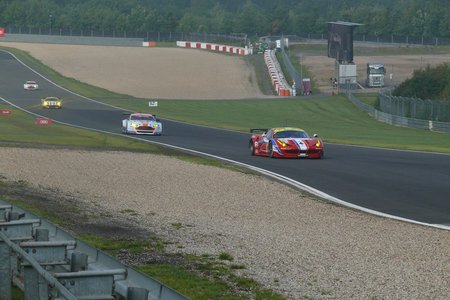
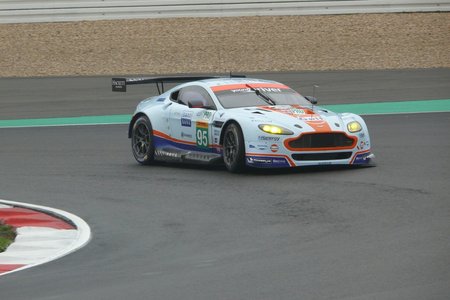
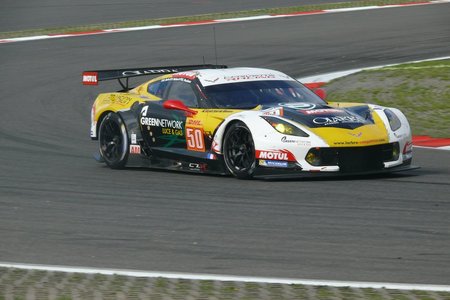
In GTE, AF Corse Ferraris repeated their form from Friday morning session and occupied the front GT row. Aston Martin no.95, which temporary led the session in the early stages, finished third ahead of both factory Porsche Team Manthey entries. In the Amateur subclass, it was Ferrari, Aston Martin and Porsche on the top three with only other make in the GTE field was the Chevrolet Corvette, which just returned from the USA, where it had been lent to replace the factory damaged car in Le Mans. It was classified next to last ahead one of the Aston Martins.
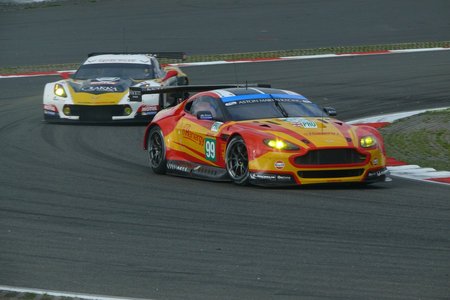
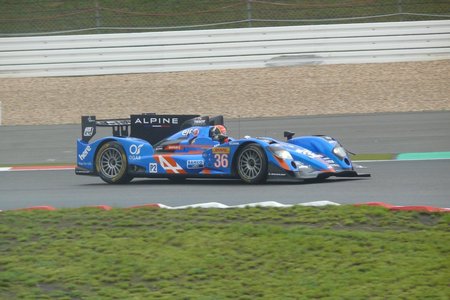
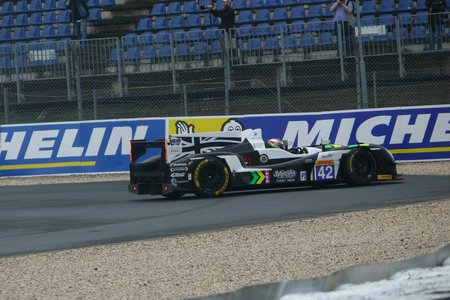
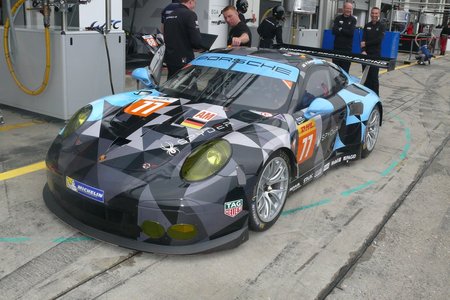
Support races
There were two classes supporting the WEC race. Each of them was set for two races over the weekend. Porsche Carrera Cup featured very quick cars of 991 and also older 997 types. Most notable thing about this one-make series was the fact that they were almost as quick as the GTE cars in the World Championship. They were even slightly quicker on the straight and just 2 seconds off the Amateur GTE cars. Both Saturday's and Sunday's races were won by Lance David Arnold, ahead of Taki Konstantinou, both days.
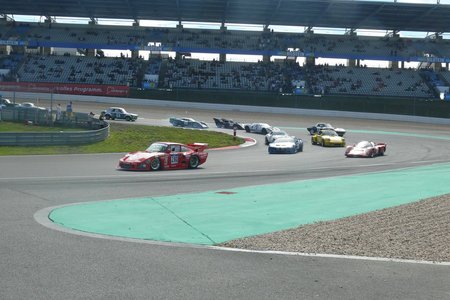
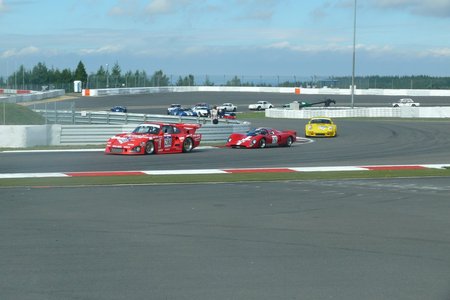
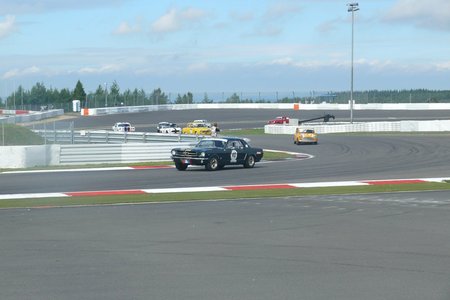
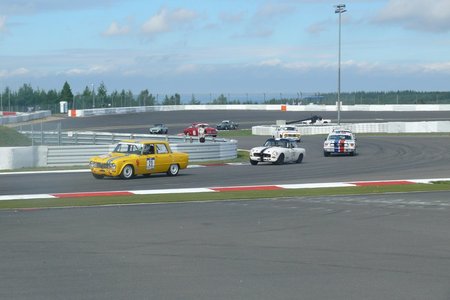
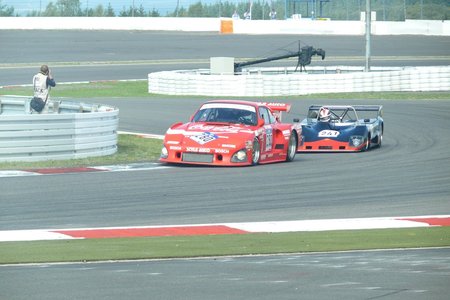
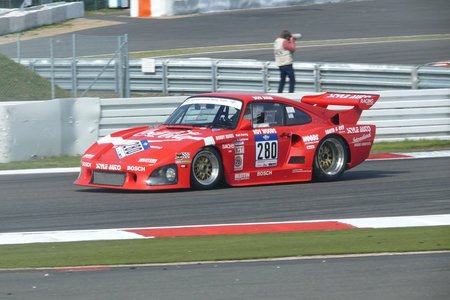
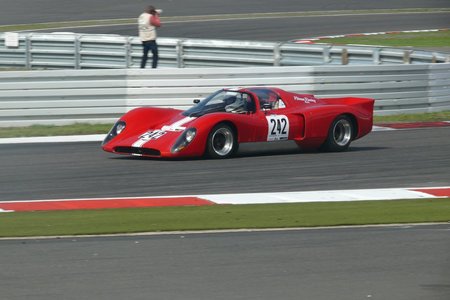
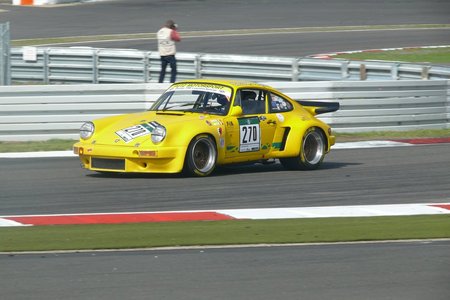
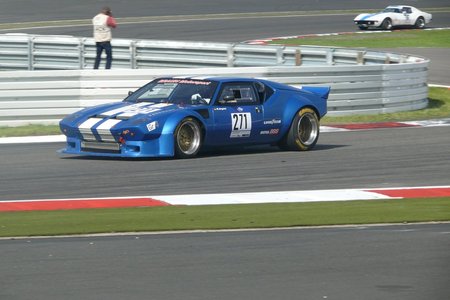
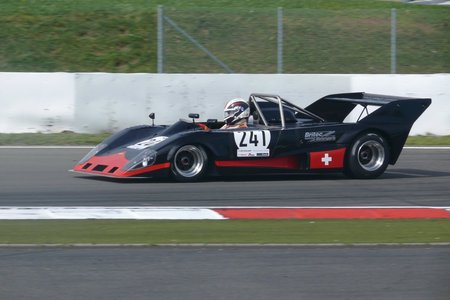
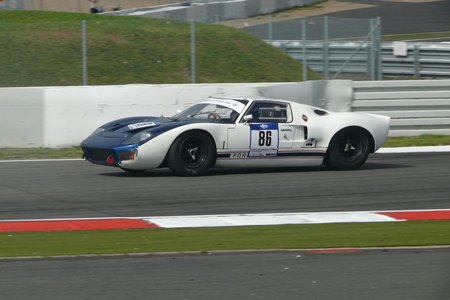
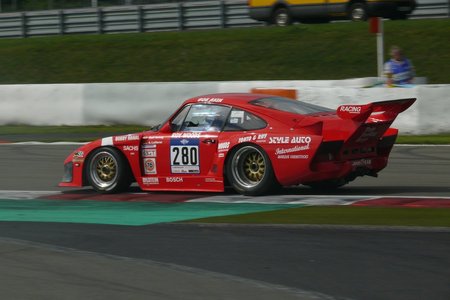
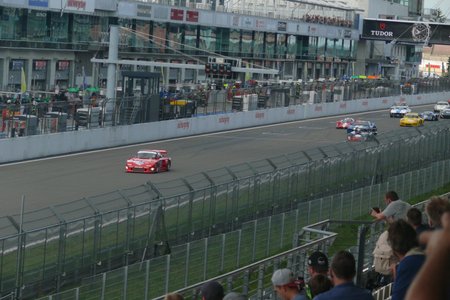
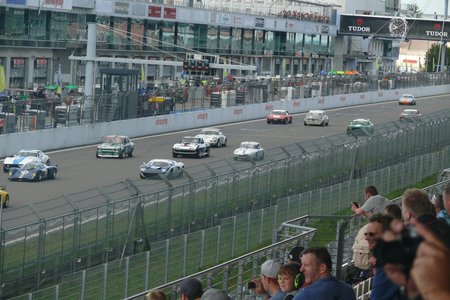
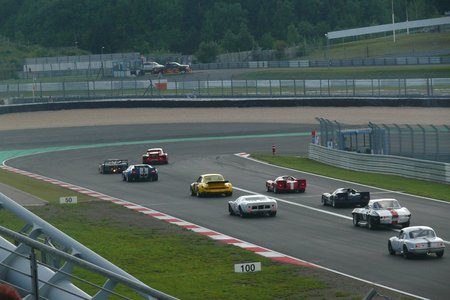
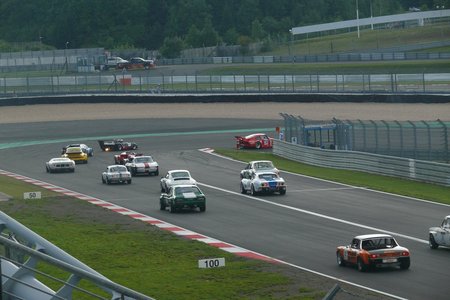
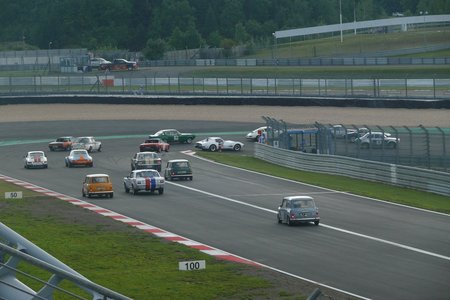
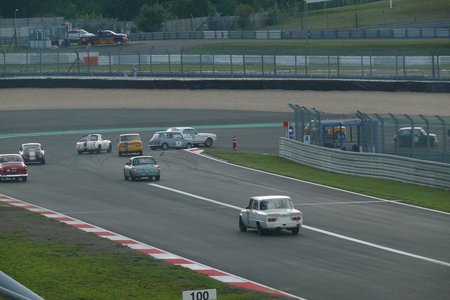
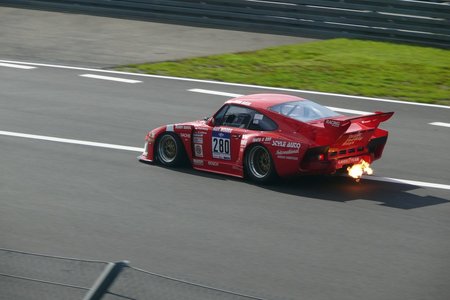
Much more variety and interesting cars brought the Legend race for sports cars, GT and Touring cars from 1950s through 1970s. By far two most attractive and also quickest cars were Kremer-designed Porsche 935 K3 driven by Ralf Heisig and a Lola T294 of Felix Haas. The Lola missed to set some flying laps during the second qualifying session, which was held on a dry track unlike the first wet session. Because of that Felix Haas started only 12th. It took him three turns to get to fourth, and he was easily second behind the Porsche 935 at the end of the first lap. He could even close the gap between him and Heisig but actually never find a place to overtake him. The Porsche was much faster on the straights, while Lola got at the tail of the Porsche after a series of turns. In the second race, also run on Saturday, the Lola started second but still the Porsche took the lead. In the 4th lap Lola briefly appeared in the lead but Porsche again used its high speed and get back to the front. However at the end of lap 7 the Lola appeared in front again, and this time Felix Haas was really much quicker around the technical parts of the tracks and manage to maintain the lead until the end of the race. Ralf in the Porsche finished second 5 seconds behind, followed by cars like De Tomaso Pantera, Chevron B16, Ford GT40, Ford Escort RS 1600 or Lotus Elan. There were also a lot of Porsche 911s, Mini Coopers, and couple of Corvettes, MGBs, 914/6 GTs or big Mustangs.
WEC 6 Hour Race
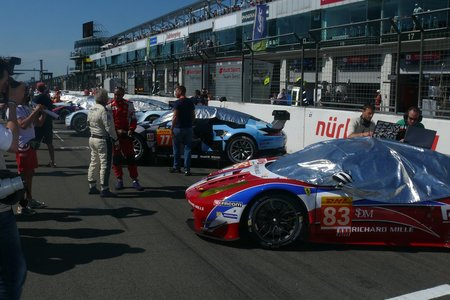
It was really very hot when the cars lined up for the first modern WEC Nürburgring race at 13 o'clock. Of the 31 qualified cars and old Le Mans-start gridded cars, only 30 took the flag. Sad Rebellion car in red colours had to return to the garage and its chances were gone. Later it re-appeared on the track to cover only a single slow lap and was done for the weekend. On the other and positive side, it was the only car in the field that failed to see the chequered flag - so reliable are the current top sports cars. It is something really unthinkable during the original era of World Sports Car Championship since the 1950s until the Group C days.
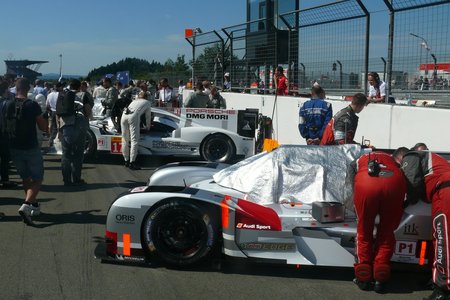
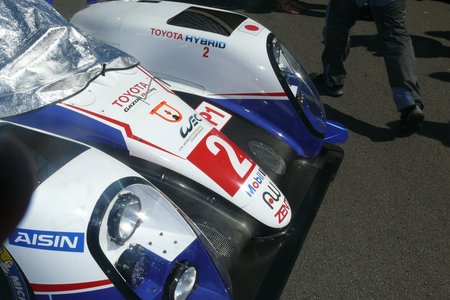
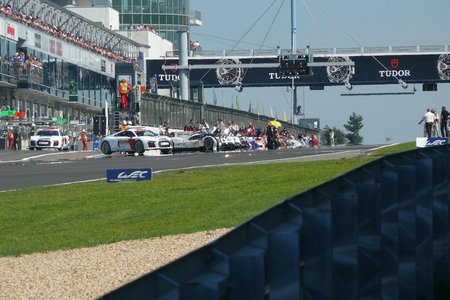
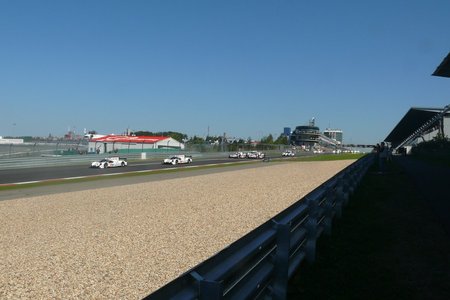
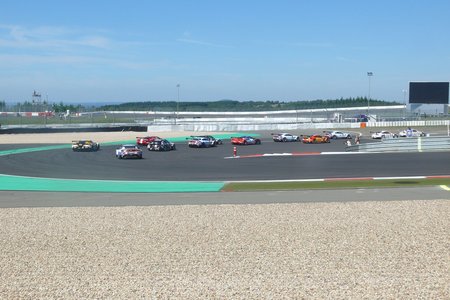
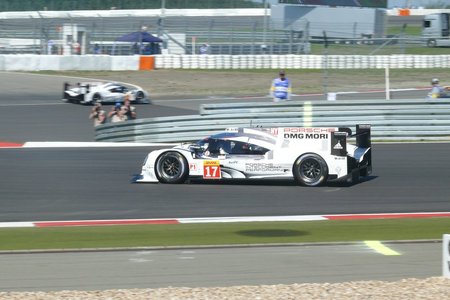
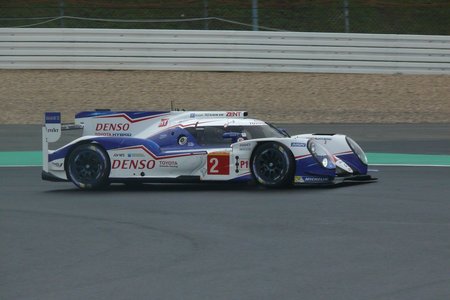
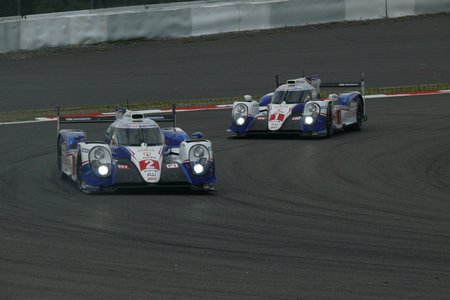
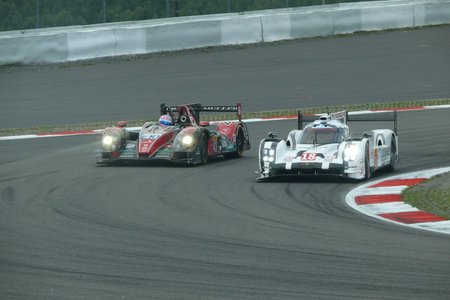
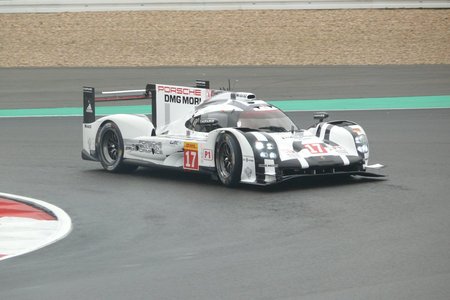
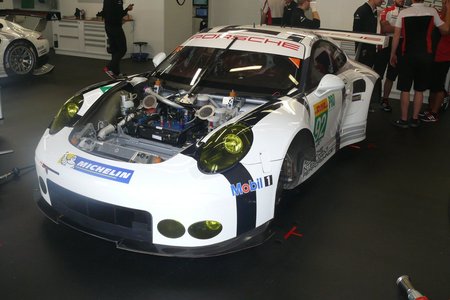
After the start, the LMP1 positions did not change their pattern - Porsches ran first (no.18, then no.17), then Audis (no.8 ahead of no.7) and Toyotas number 1 and 2. Audis tried to keep the pace with Porsche but they could partially match only number 17. The leading Porsche was just way ahead anything else at the beginning of the race. That would change later when energy consumption per lap was exceeded on four occasions, which led to three continuous stop & go penalties, with increase stop with every new infringement: 5 seconds, 30 seconds and 60 seconds. It move easily the leading no.18 behind its sister car after the first penalty, and then it was far behind both Audi - however still safely ahead of Toyotas, which simply had a race of their own - except the first series of pit stops when Toyotas ran longer than most of their factory opponents and figured briefly on second and third positions overall. Note to say that even Audis were so close to the Porsche at the time of the first pit stops, that slightly quicker work in Audi box helped number 7 to return back to the race ahead of the Porsche no.17. But it lost its position in less than 10 laps. All that happened still under the number 18 leadership, before those penalisations.
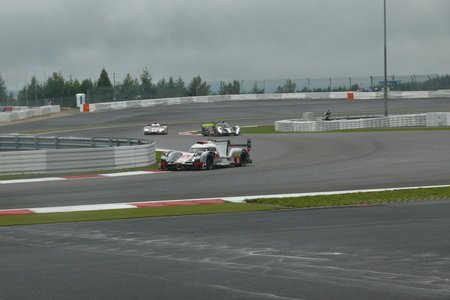
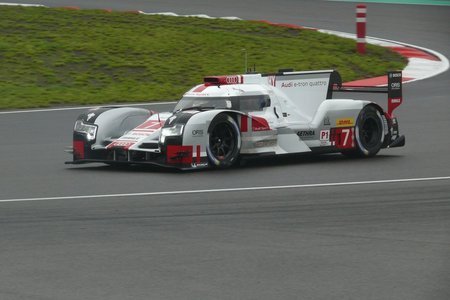
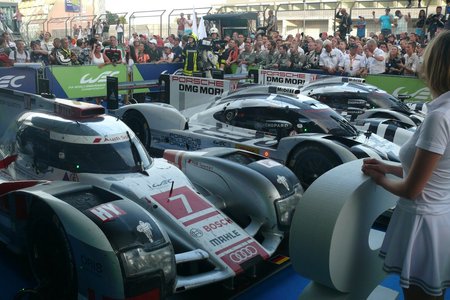
Later the leading number 17 increased the margin to more than one and half lap ahead of Audi, so there was really no battle at the top. However the delayed Porsche and both Audis appeared close together during the last hour, actually bringing the nicest LMP1 battles of the race. Audi no.7 was being caught by the Porsche no.18 while from behind Audi no.8 approached very quickly and overtook both, Porsche first, than the sister Audi. Porsche soon recovered and moved ahead of the Audi no.7. Then the last series of pit stop changed things a little. The Porsche no.18 was now ahead of Audi no.7 and no.8. Audis soon swapped their positions, however later attempt of Audi no.8 to catch the Porsche was unsuccessful, so Audi no.8 gave up at the end of the race and let the other Audi, no.7, to go by, while finishing fourth.
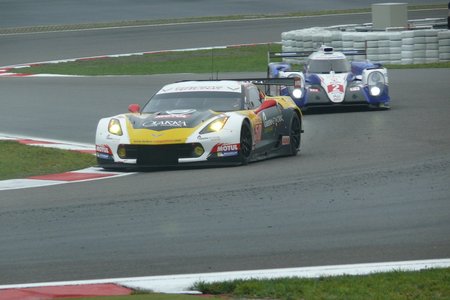
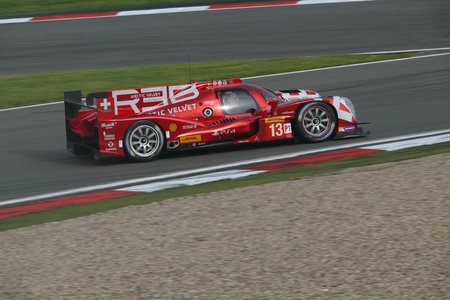
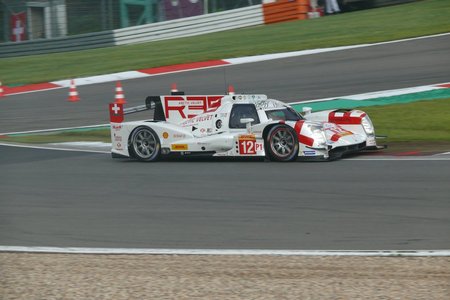
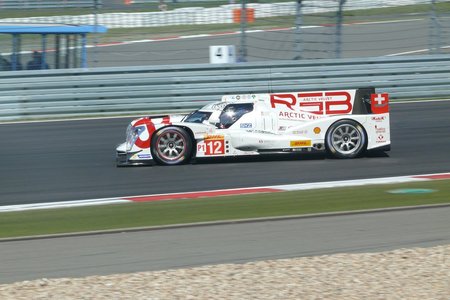
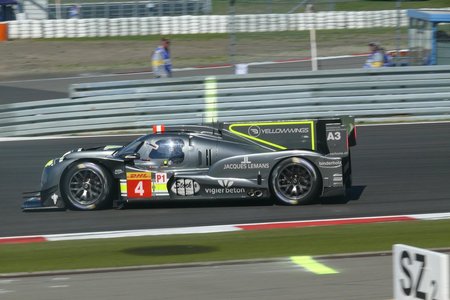
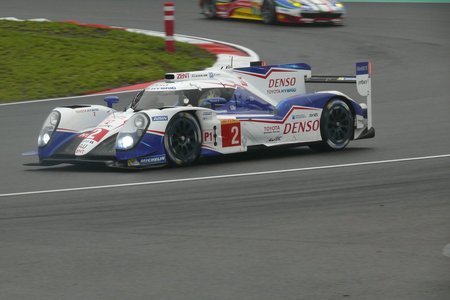
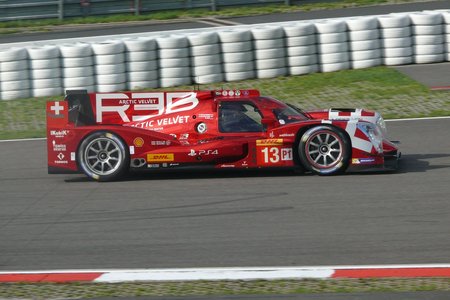
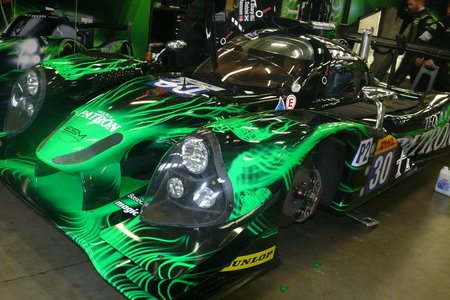
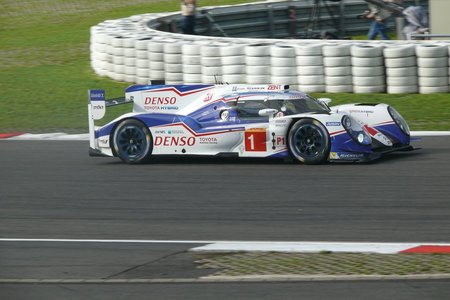
Toyota finished their race as expected: fifth and sixth, 3 and 4 laps behind the winner respectively. The private LMP1 class melted down as the race progress. Originally it was Rebellion no.12 running behind Toyotas. But its nice run lasted only 11 laps. Then CLM (Lotus) took over the flag of privateer subclass - this time running really well ahead of entire LMP2 field (except after the pit stop phase). Unfortunately during lap 54 even CLM hit troubles and dropped down. Later it even lost rear wing on the main straight, actually causing one of Full Course Yellows (FCY). Despite all that both privateer LMP1 cars continued while recovering from nearly the last position, they nearly overtook back most of the GTE cars. The CLM was slower than the Rebellion in the last hour but maintained its 2-3 lap lead anyway and won in direct battle with Rebellion team for the first time.
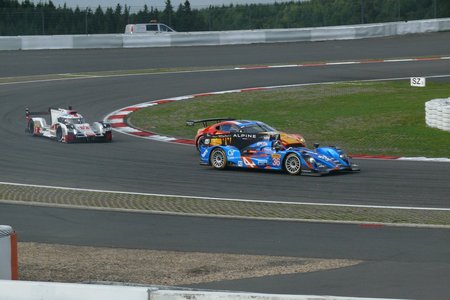
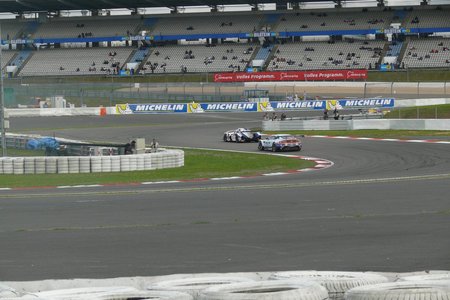
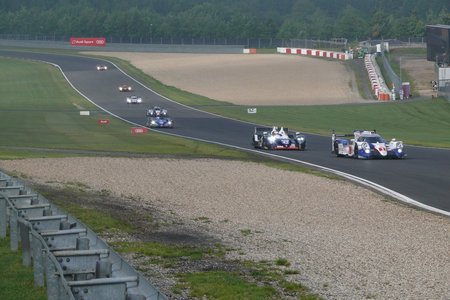
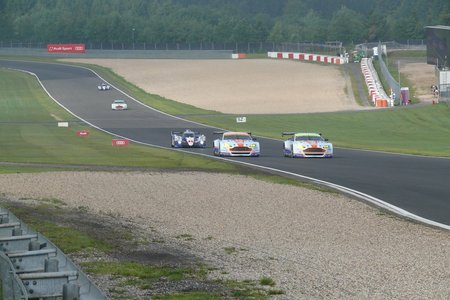
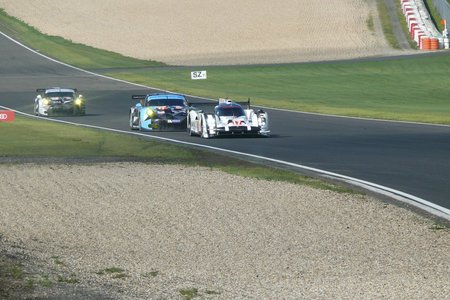
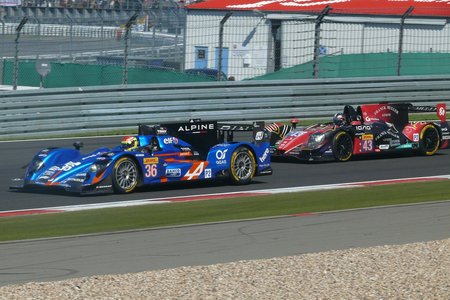
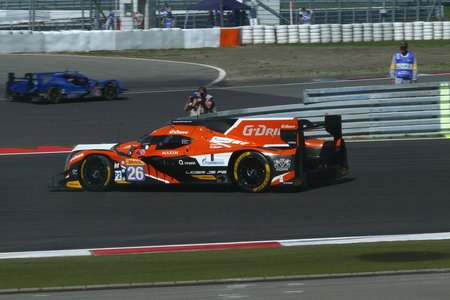
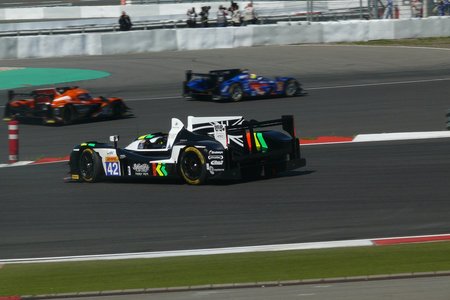
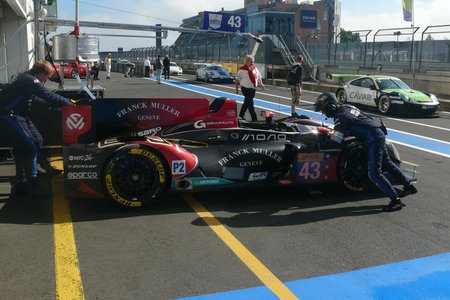
The LMP2 class was all about KCMG Oreca 05 entry - the car completely dominated the race and was in the lead all the time, except some short pit stop related. By far the nearest competition came from two G-Drive Ligiers - one of which started the race fourth behind the Alpine branded Oreca of team Signatech. Those Ligiers then completed the podium, while the Alpine lost its position to the Morgan of SARD Morand team. Strakka Racing Gibson had some good moments in the race, however could not finish better than 6th. The last two LMP2 spots went to the North American team Extreme Speed Motorsports. Despite such result it was good to hear that the team enjoys the championship and recently confirmed their intention to continue also next year - it seems to be again with Ligiers, not with fully developed HPDs.
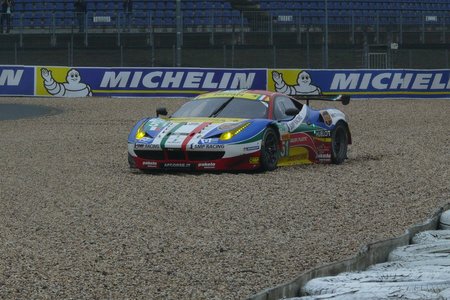
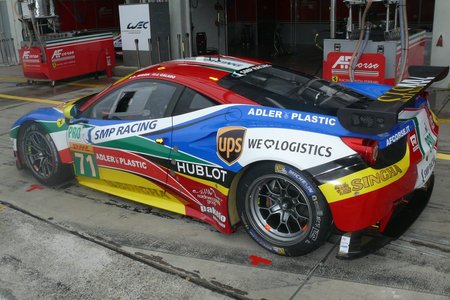
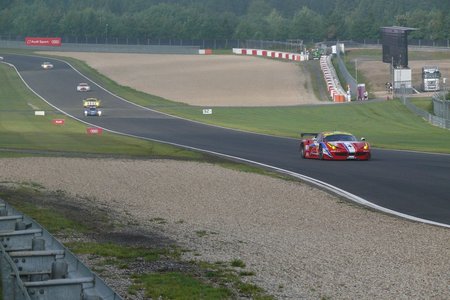
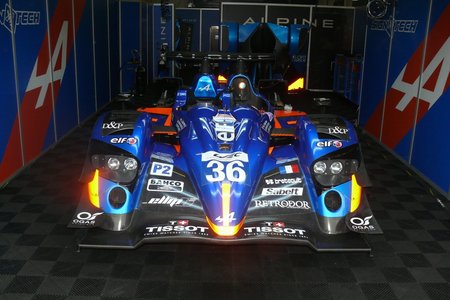
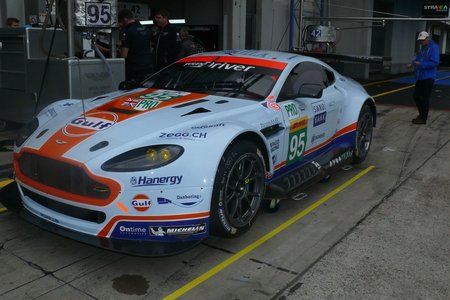
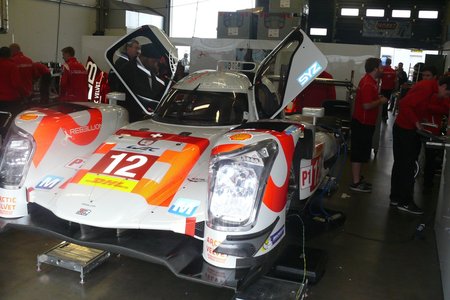
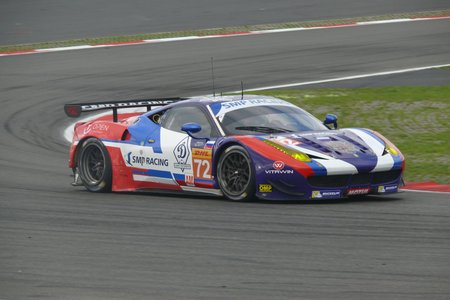
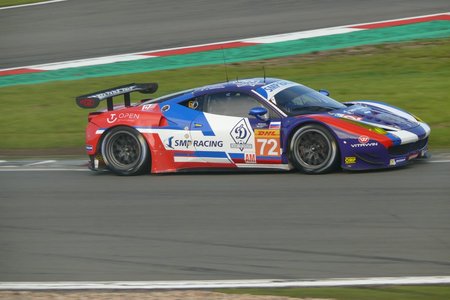
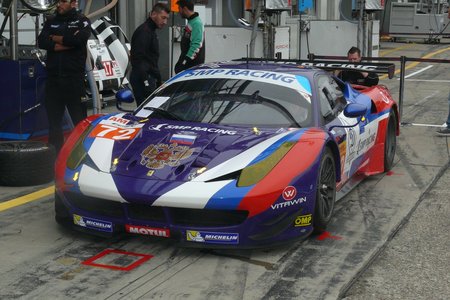
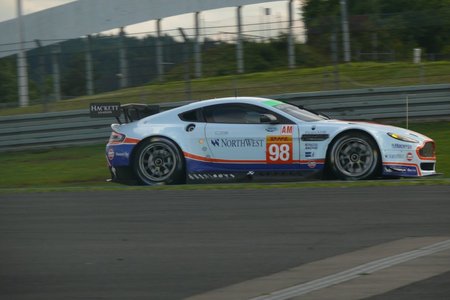
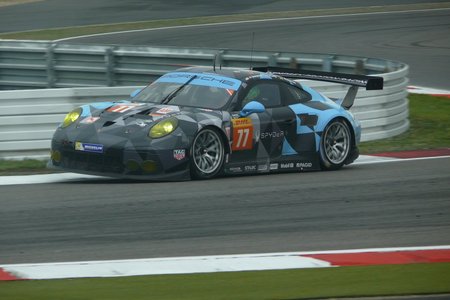
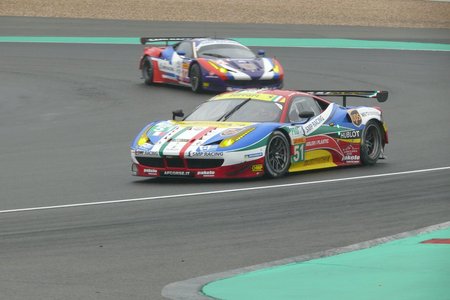
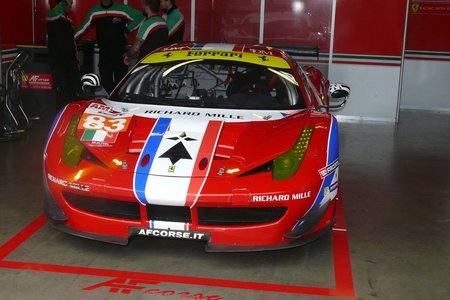
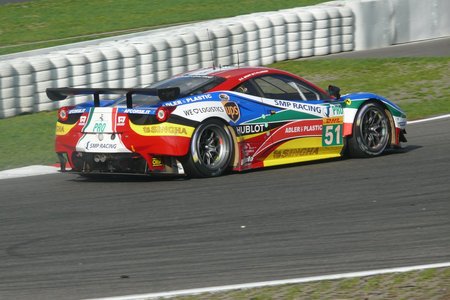
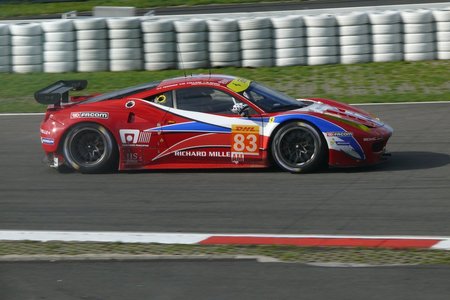
GTE class began with both Ferraris ahead both Porsches in the Pro class, while Aston Martins were little struggling, especially after updated BoP (Balance of Performance), which made them unhappy. It took only 7 laps before leading Ferrari no.51 hit troubles, stopped on the course and actually caused first FCY. Two laps later the sister car no.71 was called to the pits and this open the way to victory for the pair of factory Porsches 991 RSR. Ferrari no.71 later recovered from its not too long pit stop and completed the Pro podium. The Amateur class went to SMP Ferrari, ahead of the only successful Aston Martin no.98, and remaining Ferrari in the race, entered by AF Corse.
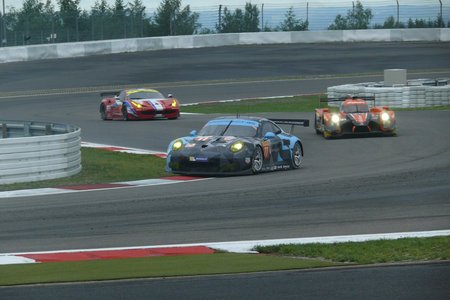
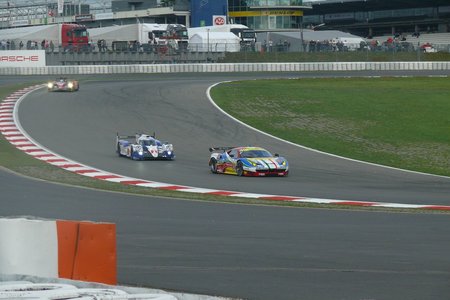
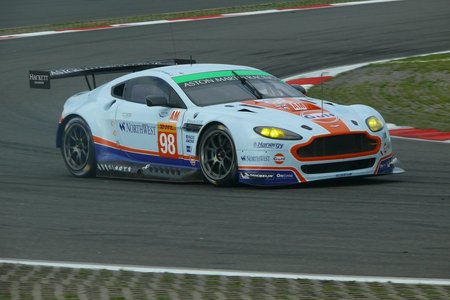
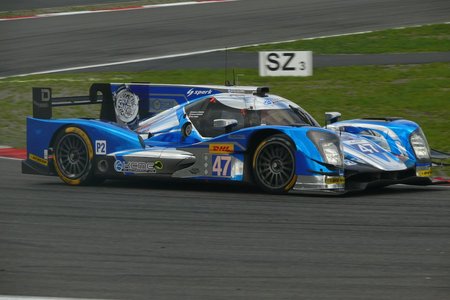
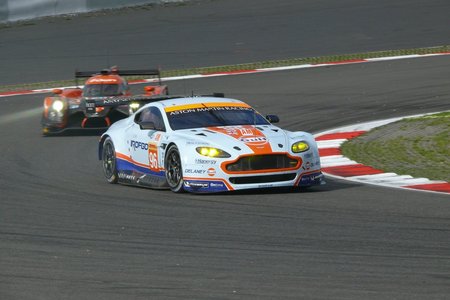
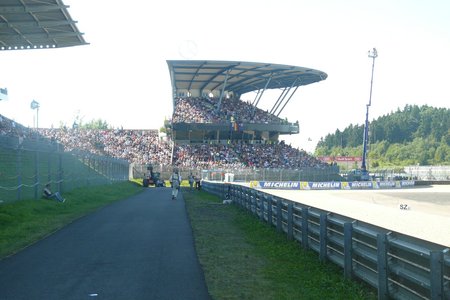
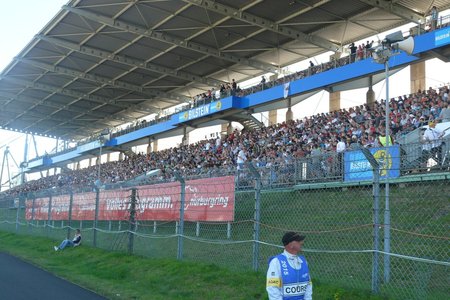
The race - despite not featuring a thrilling battle from the start to the finish in LMP1 - proved growing popularity of modern prototype and GT racing, and also WEC in general. Already during practice sessions there were many spectators, and the figures announced on Sunday, 62 000, confirmed by really full grandstands, never seen before outside Le Mans, in the modern WEC history. We can only hope this growth will continue. European half of WEC is now completed and another four races on American and Asian continent will follow to decide the championship, which is currently led by Porsche with 184 points, ahead of Audi (151 points). Toyota, last year champions, is way back with just 89 pts. Nissan, despite withdrawn from the championship, and not being classified in its only outing at Le Mans, is officially listed 4th with no points. In GTE it is Ferrari ahead Porsche and Aston Martin.