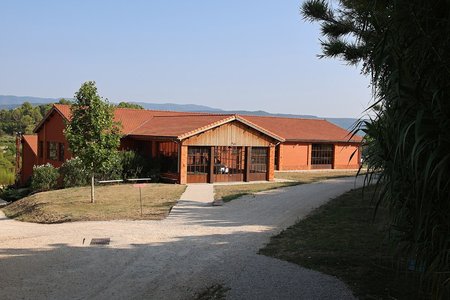
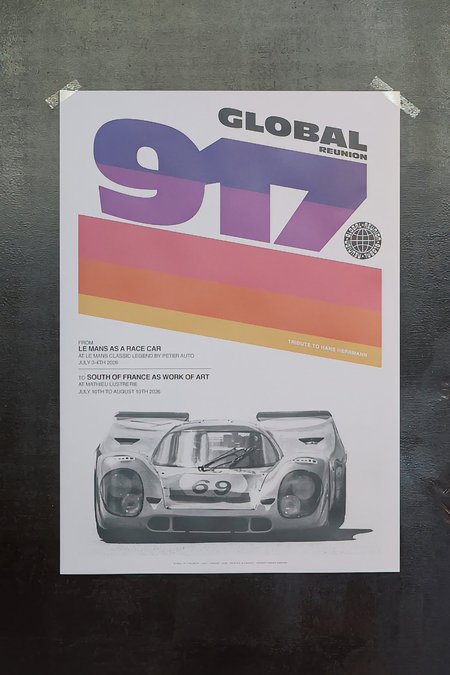
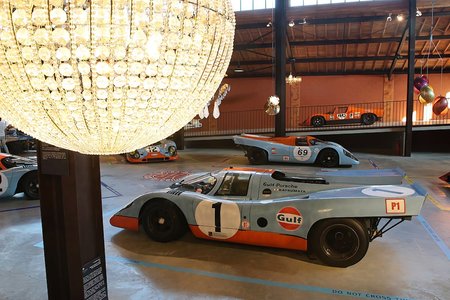
It was within the setting of the family’s fine lighting workshop that Arthur Mathieu, through his company Global Reunion, organized an exhibition featuring the legendary Porsche 917 to celebrate the model's 55th anniversary.
Beneath centuries-old chandeliers, the public was thus able to admire around fifteen Porsches tracing the genesis of this icon—from the Porsche 904 GTS to the historic 917s.
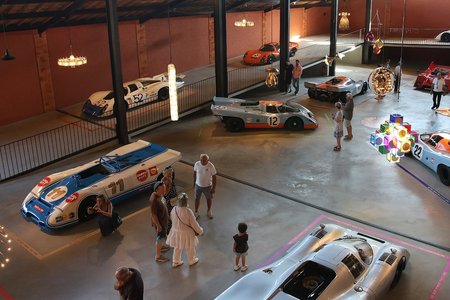
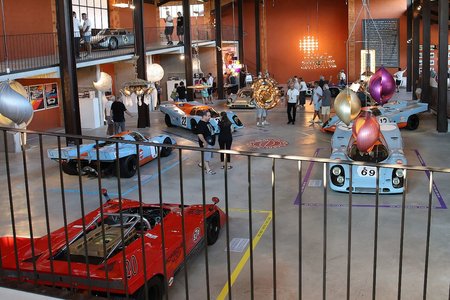
Let's start with the ones that gave rise to the legend.
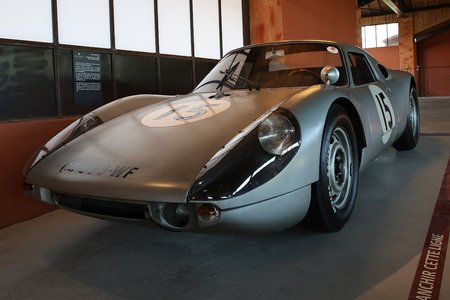
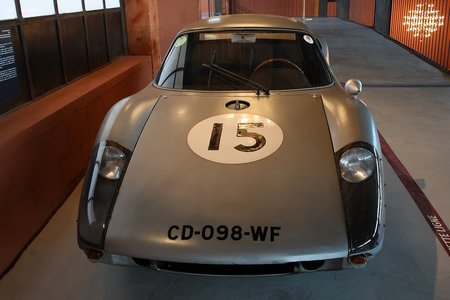
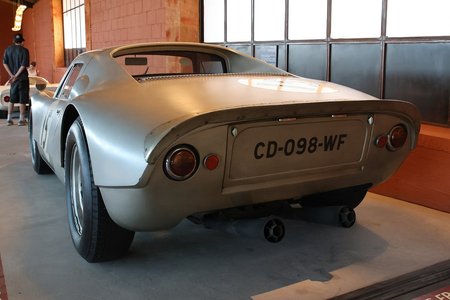
Porsche 904 GTS #904-063
Chassis seen at the 1964 Coupes de Paris bearing #6 and driven by "Roy von Vost" (real name André Lacourbe), finishing in 7th place.
Driven by the same driver at the 1965 Spa 500 km; DNF due to an accident.

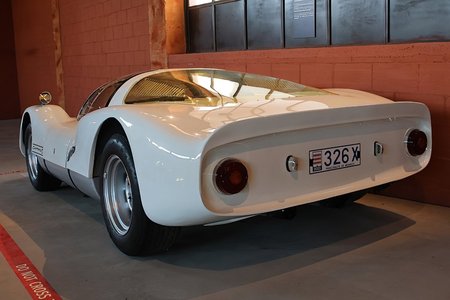
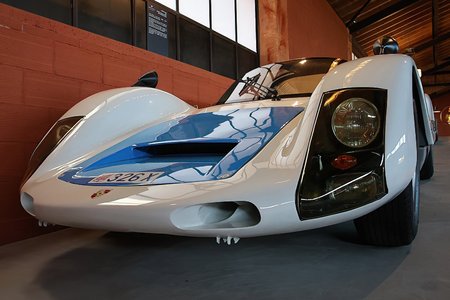
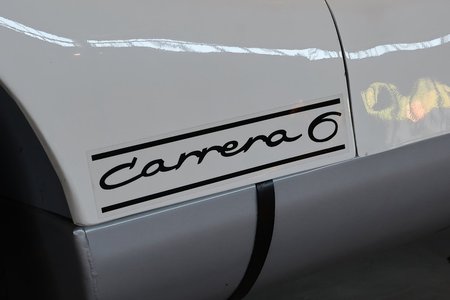
Porsche 906 #906-149
Assembled in 1966.
The car raced in Japan at the 4th Japan Grand Prix in 1967 at Fuji Speedway (car #7), driven by Tadashi Sakai.
The car features matching engine and gearbox numbers.
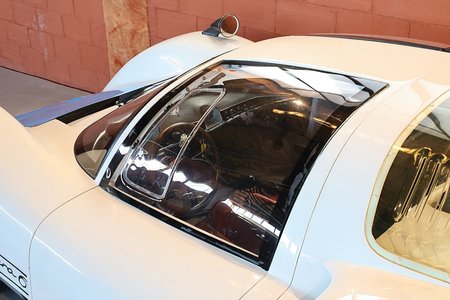
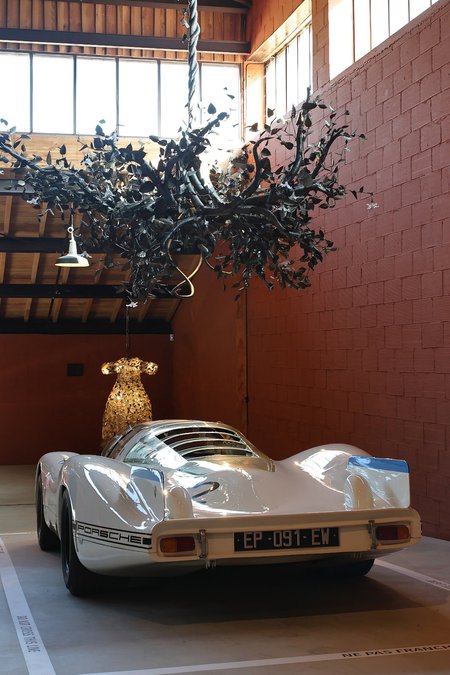
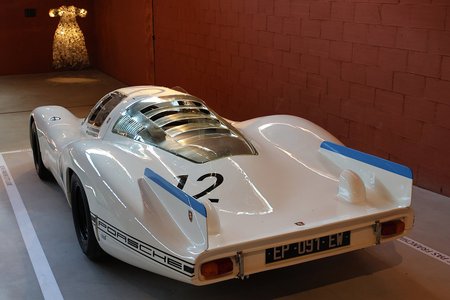
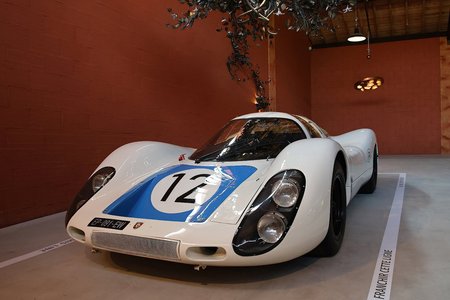
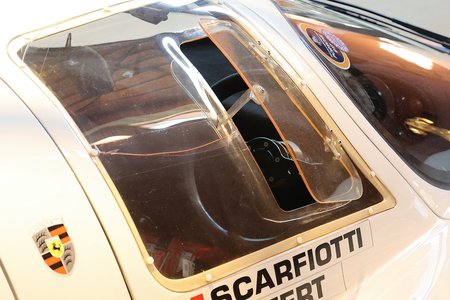
Porsche 907 LH #907-007
Built in 1967, this chassis was the first to be fitted with the Type 771 engine—a 2,200cc flat-eight producing 270 hp.
It is the only short-tail Porsche 907 converted by the factory into a long-tail version.
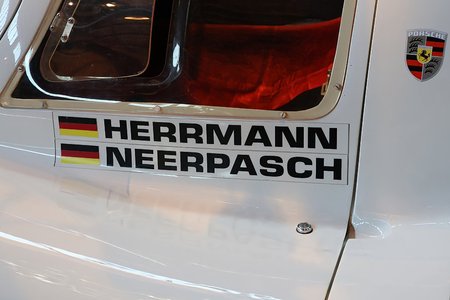
Entered by Porsche System Engineering Ltd. in the 1967 Brands Hatch 6 Hours, it finished fourth, driven by Hans Herrmann and Jochen Neerpasch.

Porsche 908 #908-023
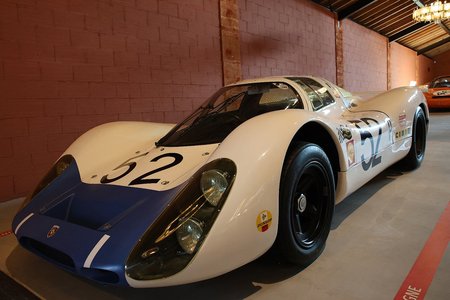
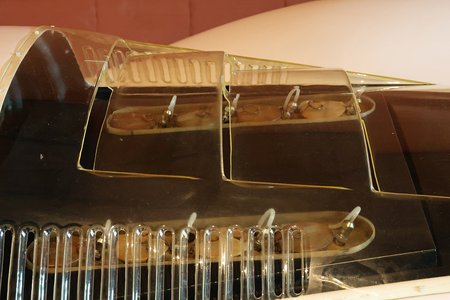
Left the factory in 1969; began its life as a 908 LH before being converted into a "Spyder Flunder."
Entered in the 1969 24 Hours of Daytona (car #52) for Vic Elford and Brian Redman; did not finish (DNF).
Competed in the 1970 endurance season with drivers including Gérard Larrousse, Helmut Marko, and Willy Kauhsen.
Also participated in the Targa Florio that same year.
Raced in hill climbs between 1972 and 1974 with Christian Poirot.
Last seen at the 1975 24 Hours of Le Mans, driven by Christian Poirot, Guillermo Ortega, and Gérard Cuynet. It has been restored to the configuration it had when it left the Porsche factory and started the 1969 Daytona race. To be confirmed; not all my runs match up.
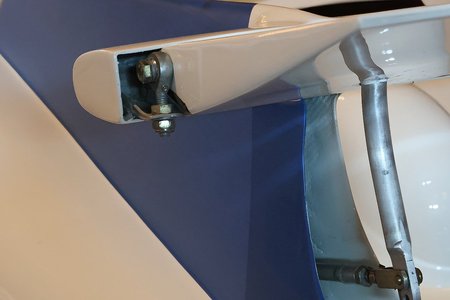
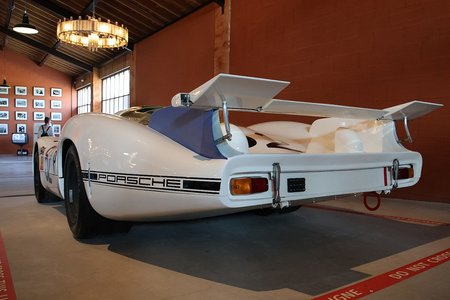
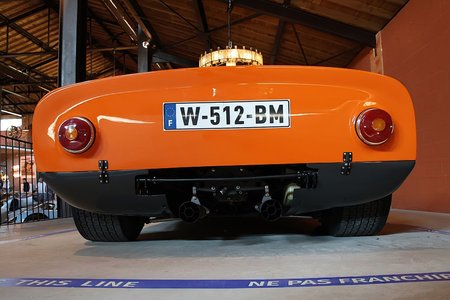
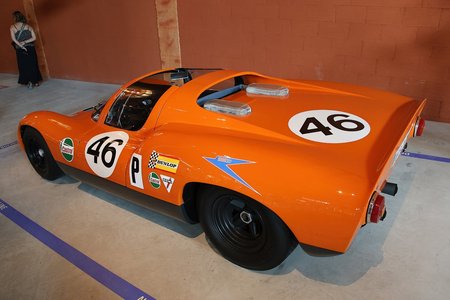
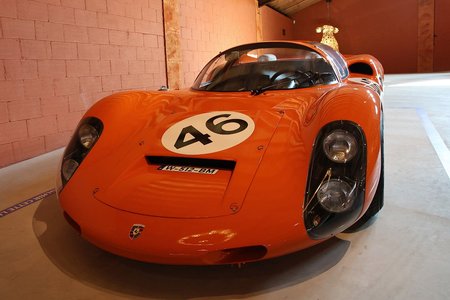
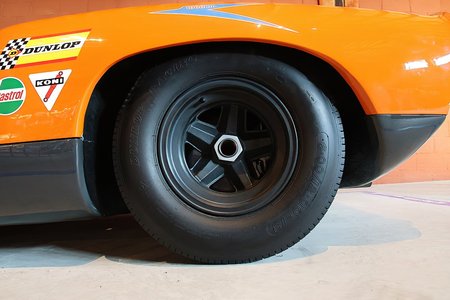
Porsche 910 #910-018
Leaving the Porsche factory in 1967, its 2-liter flat-six engine was capable of producing 235 hp.
Purchased new by Ben Pon – Team Holland.
Let’s now get to the heart of the program.
For the Porsche 917s, I suggest checking their racing histories directly on RSC in the Photo Gallery section.
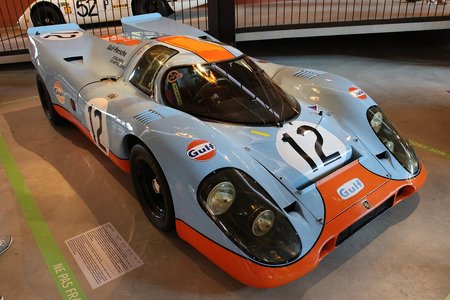
#917-008
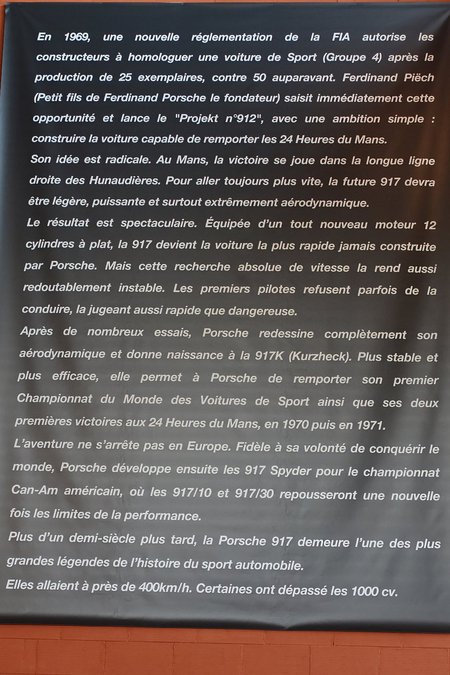
"Long Tail" version from 1969.
Entered by the factory in the 24 Hours of Le Mans that same year, driven by Vic Elford and Richard Attwood. It was forced to retire around 9:00 PM—after leading for 18 hours—due to a gearbox problem.
October 1969: private testing at Zeltweg in *Kurzheck* (short-tail) configuration (the first prototype of this version).
Served as a spare car for Team Gulf.
Dismantled by the factory in 1971.
Reassembled by Manfred Freisinger some time later.
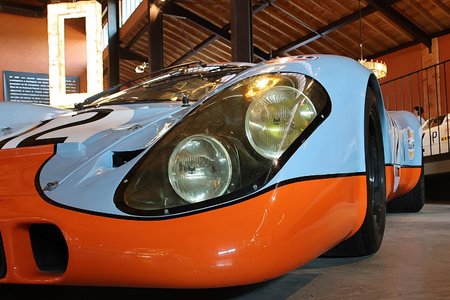
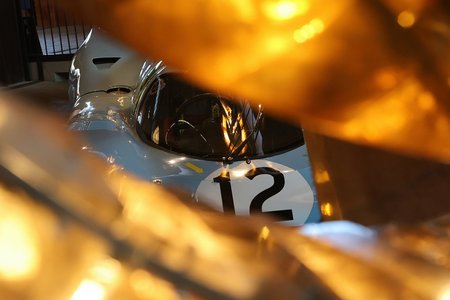
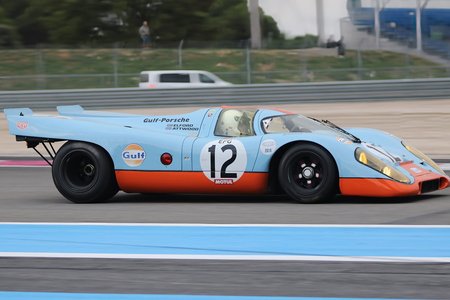
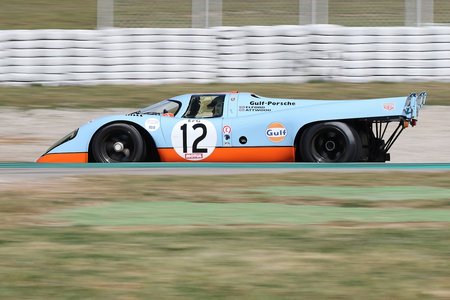
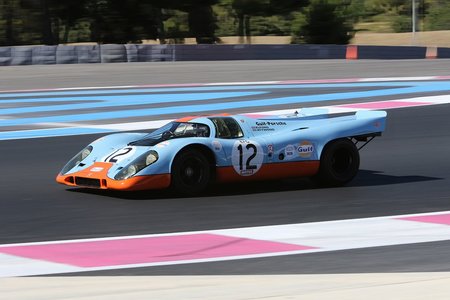
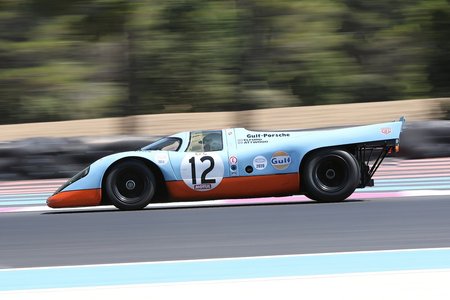
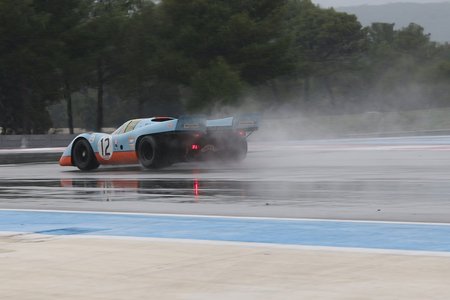

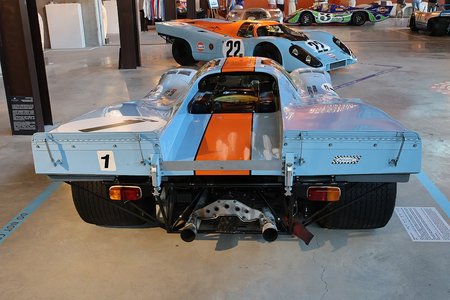
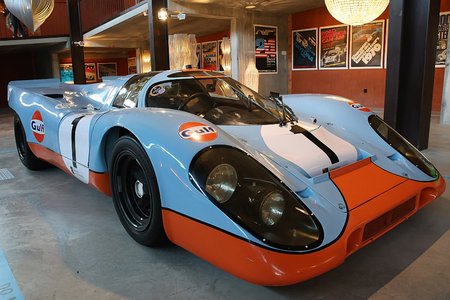
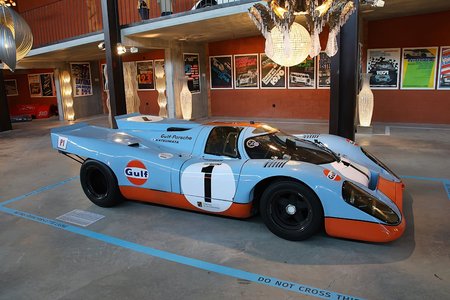
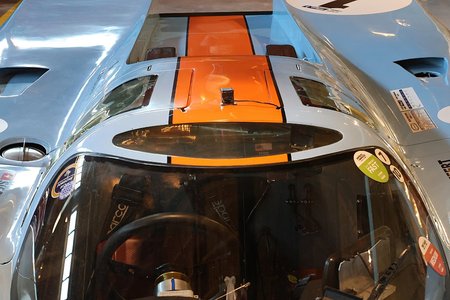
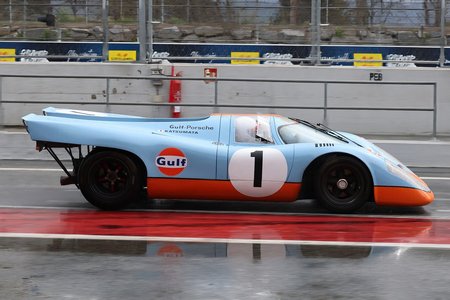
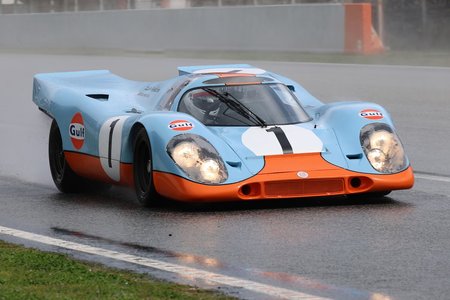
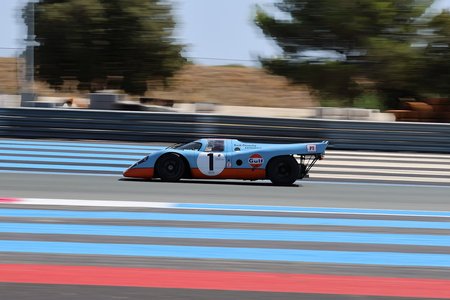
#917-029/014
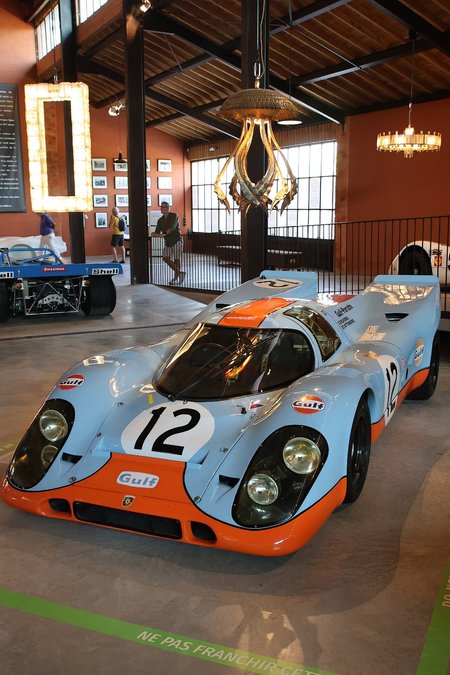
"Long Tail" version in 1969
Converted to "K" specifications in 1970
A spare chassis, 917-029, built in 1970, was used in 1971 to upgrade chassis 917-014; in keeping with common practice at the time, it assumed the identity of 917-014 for administrative purposes.
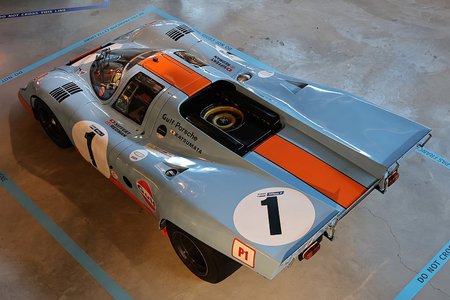
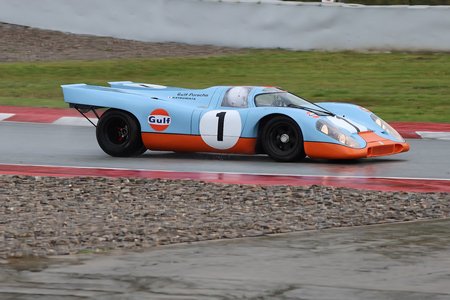
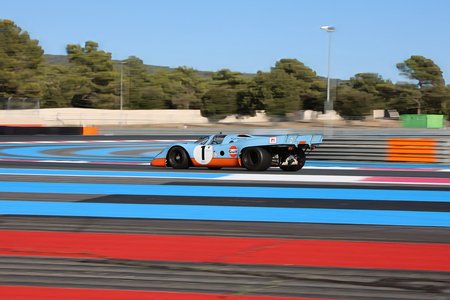
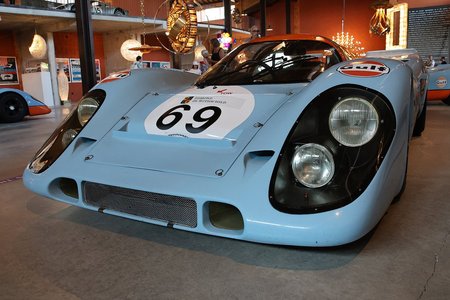
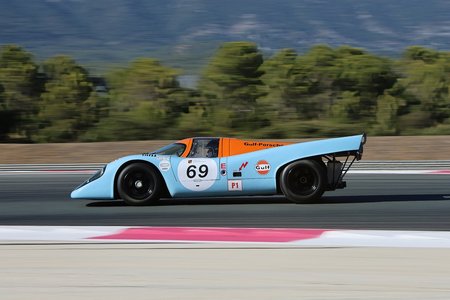
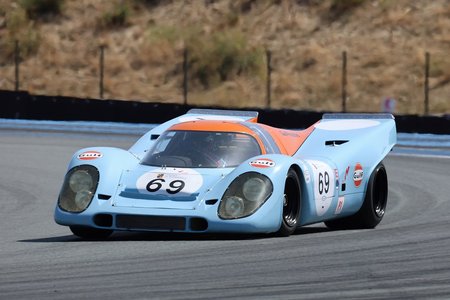
You can spot this model—decked out in John Wyer Gulf livery—at Peter Auto events. In 2025, Philippe Siffert, son of Joseph, took the wheel.
#917-030
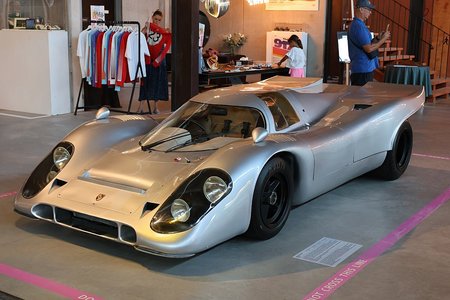
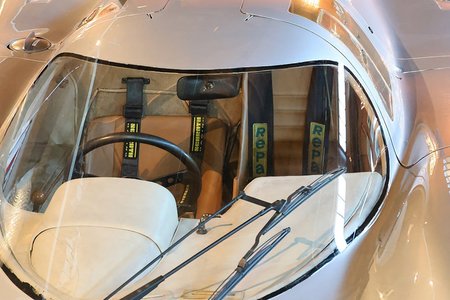
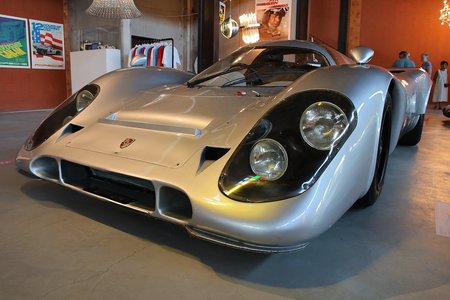
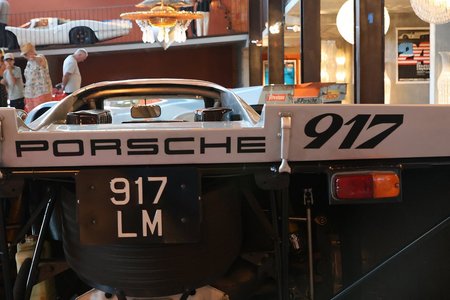
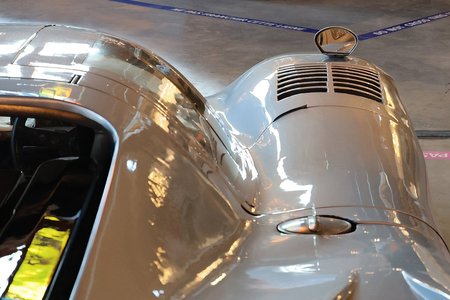
This 1971 chassis was "swapped" by Porsche with Martini Racing to replace the magnesium-chassis 917-053—the winner of the 1971 24 Hours of Le Mans.
It competed in only one race—the 1971 1000 km of Zeltweg—driven by Gérard Larrousse and Helmut Marko, though it did not finish.
Returned to Porsche, the car remained in storage until 1974, when it was converted into a road-legal version for Count Gregorio Rossi di Montelera.
It is this version that we see here.

#917- 031/026
Initially known under chassis number 917-026, it took part in the 1970 24 Hours of Le Mans, under the colors of John Wyer-Gulf with David Hobbs - Mike Hailwood at the wheel.
Seriously damaged during the race, it was “rebuilt” by the factory.
Its “reconstruction” consisted of swapping the body and chassis with those from 917-026.
Note that 917-026 was later rebuilt and numbered 917-026.
In 1971 it took second place at Le Mans driven by Richard “Dickie” Attwood - Herbert Müller, still under the colors of John Wyer Automotive Engineering Ltd.
Returned to Porsche after this event, it was converted into a Spyder to participate in the Interserie.
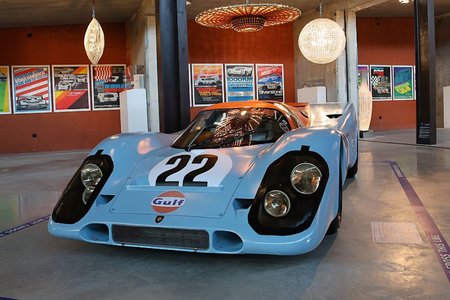
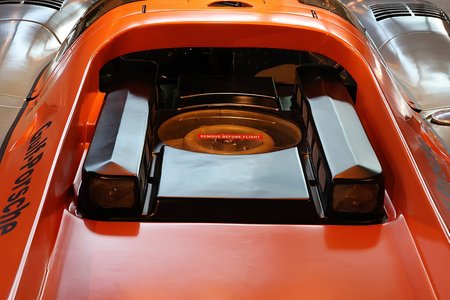
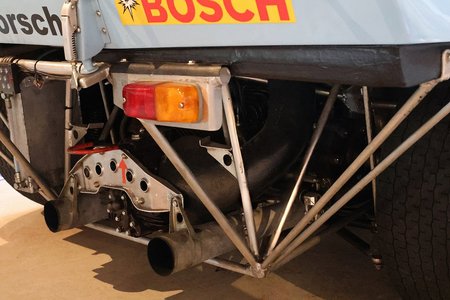
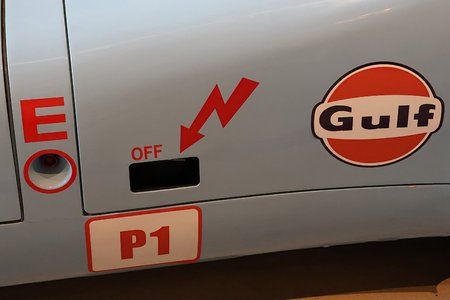

#917-033
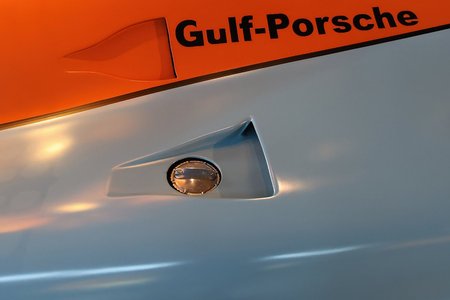
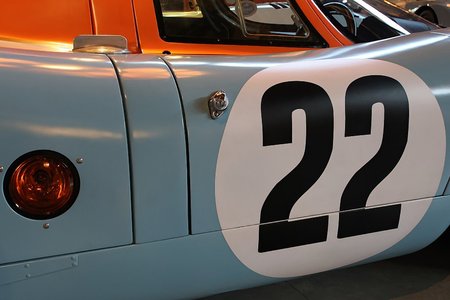
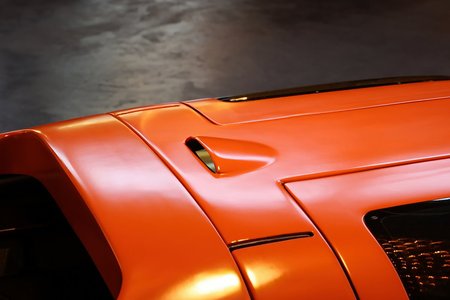
Originally a spare car for John Wyer Automotive Engineering Ltd during the 1970 and 1971 seasons—and subsequently converted into an Interserie Spyder, likely in 1972—it never actually competed in any races.
Restored to its original configuration, it now delights both its owner and spectators at Peter Auto events.

#917-043
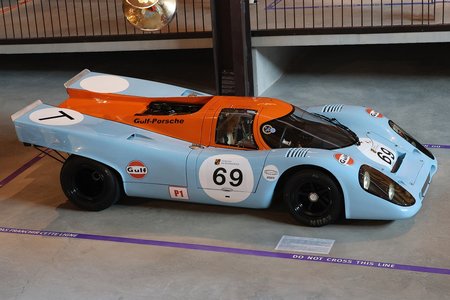
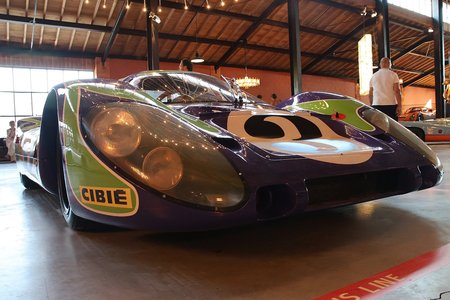
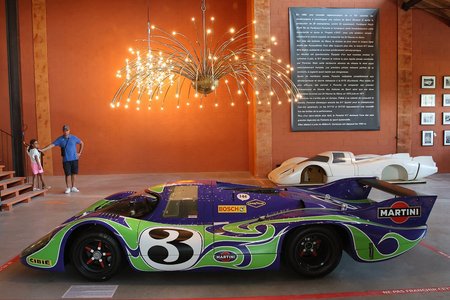
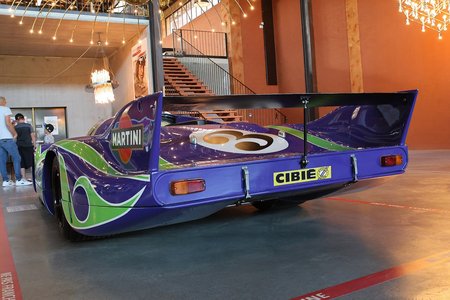
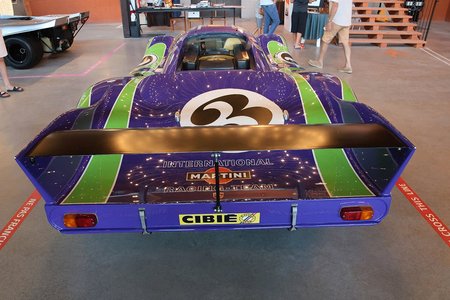
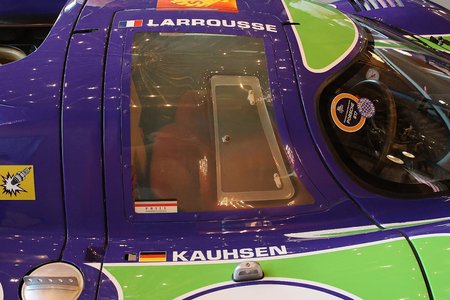
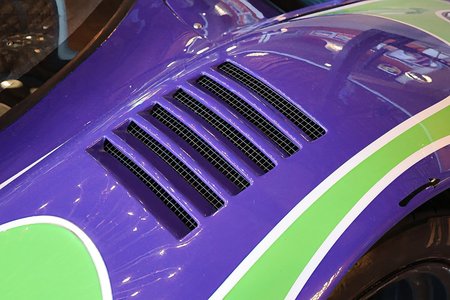
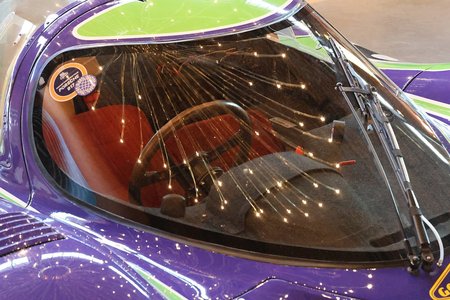
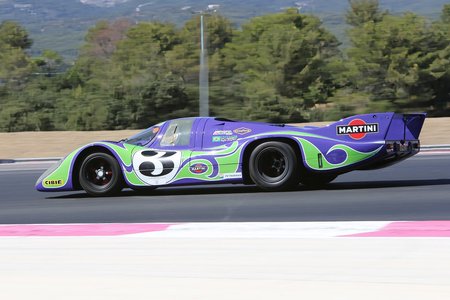
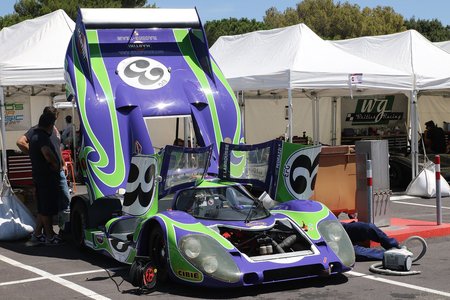
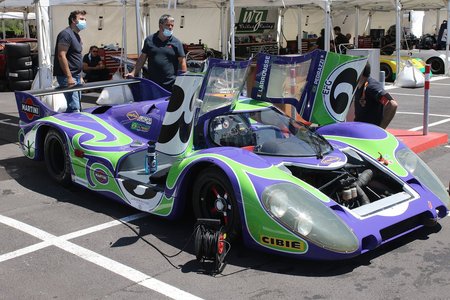
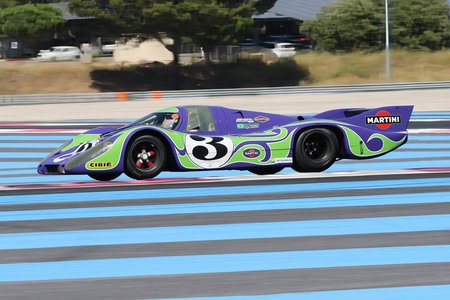
Built in 1970 in collaboration with the French company SERA (Société d'Études et de Réalisations), this "Lang Heck" (long-tail) model with aerodynamic bodywork was entered in the 1970 24 Hours of Le Mans by Martini Racing for drivers Gérard Larrousse and Willi Kauhsen, featuring this "Hippie" or "psychedelic" livery; it is considered the first Art Car to appear in a race.

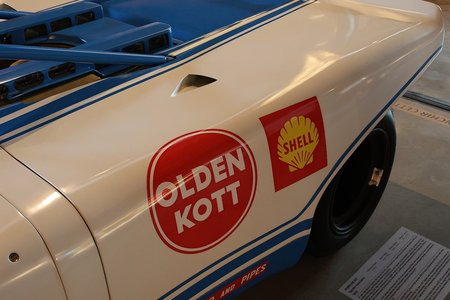
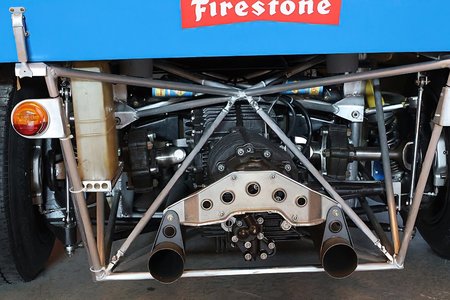
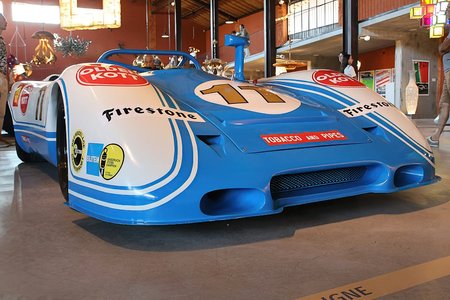
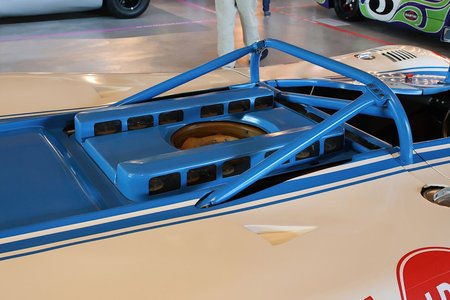
#917-01-021
The history of this chassis is a turbulent one.
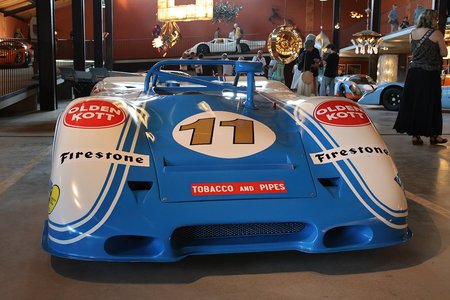
Born as 917-015 in 1969, it won the 1970 24 Hours of Daytona in the "K" version—sporting John Wyer’s Gulf livery and driven by Pedro Rodriguez, Leo Kinnunen, and Brian Redman.
During the off-season, John Wyer Automotive serviced chassis 917-015 alongside its spare chassis, 917-035; for "administrative" reasons, the team assigned the number 917-015 to the spare. In short, chassis 917-035 became 917-015.
Porsche subsequently converted chassis 917-015 into a 917 Spyder, renaming it 917-01-021 so it could continue its racing career in the Interserie championship.
Today, chassis 917-015 has been restored to its original configuration.
The chassis presented here—917-01-021—retains many of its original features, particularly the bodywork; however, I have been unable to find reliable information regarding the rest of the components.
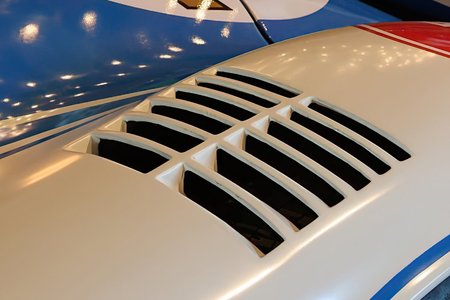
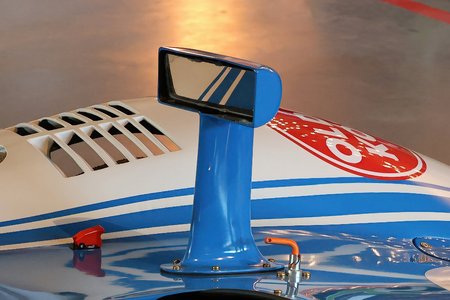

#917-10-001
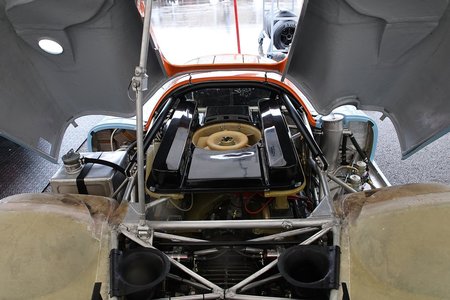
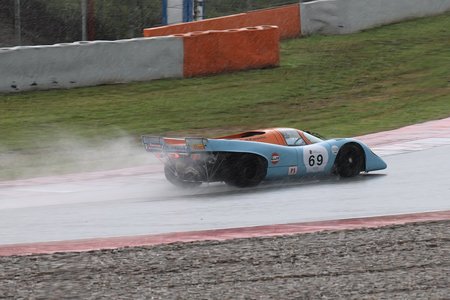
As a little teaser, here are a few action shots taken at Peter Auto events to tide you over.
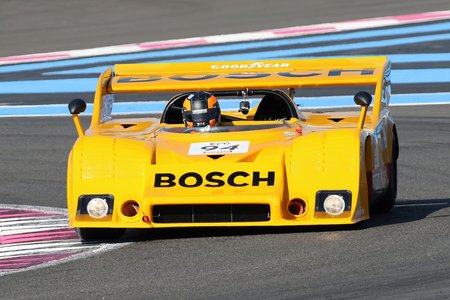
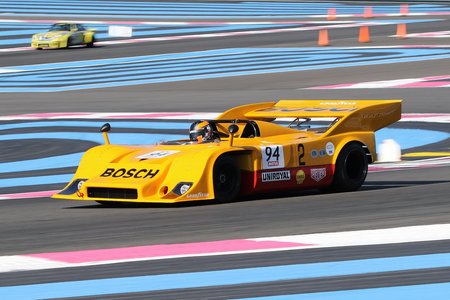
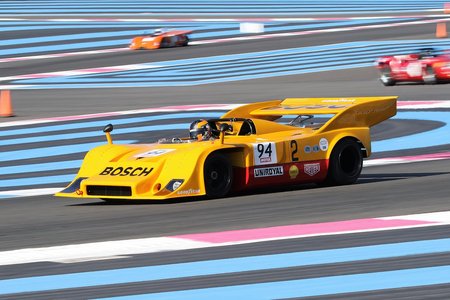
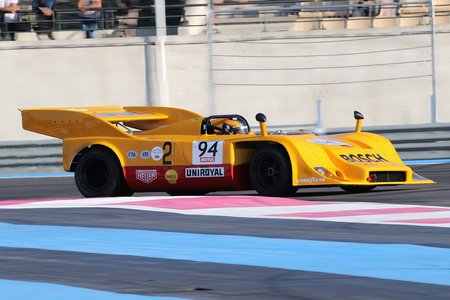
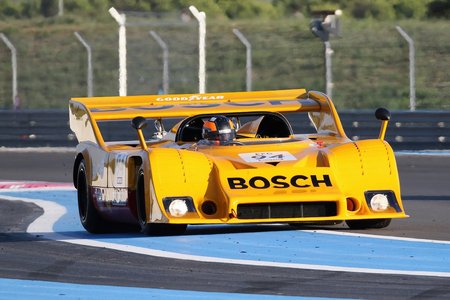
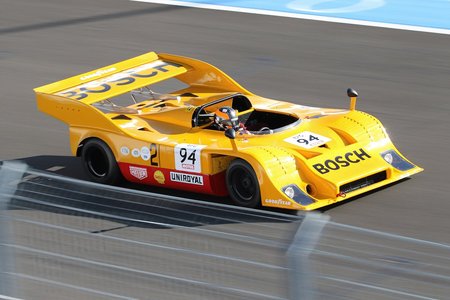
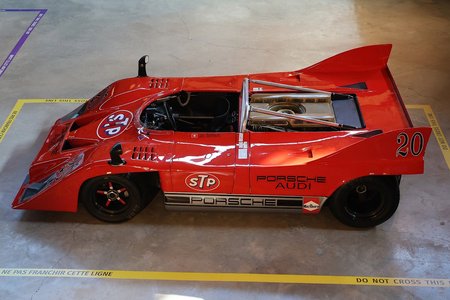
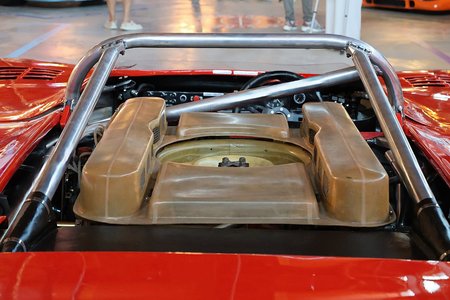
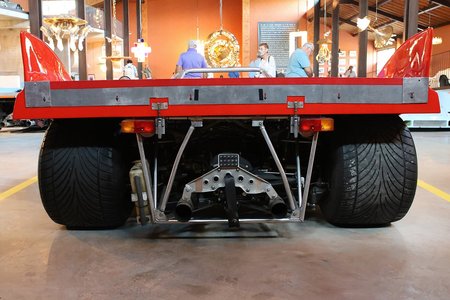
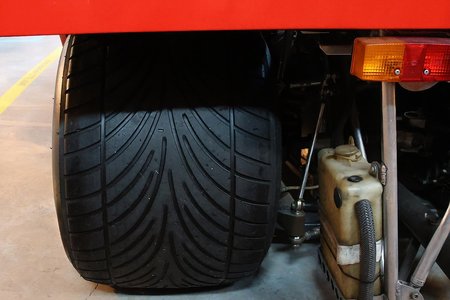
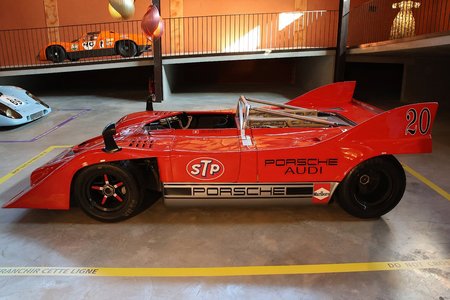
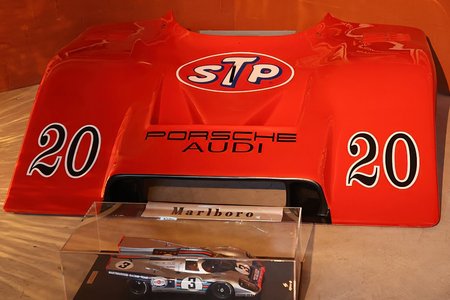
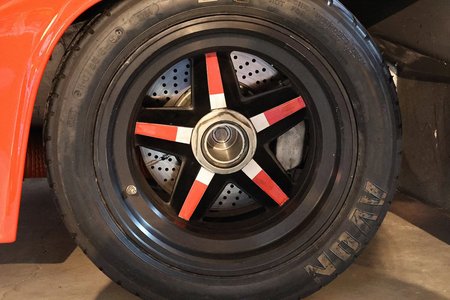
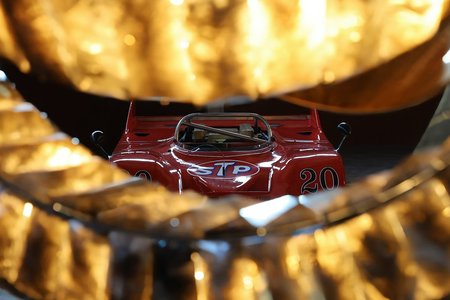
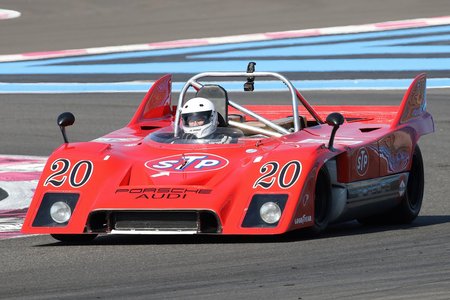
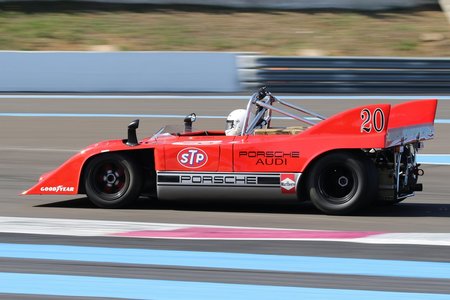
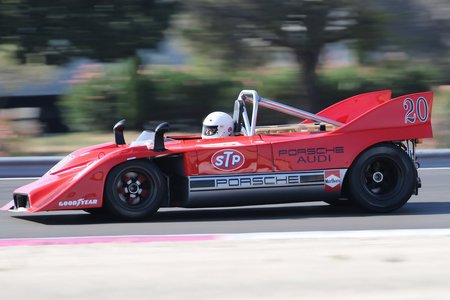
#917-10-002
Built in 1971 in Interserie/Can-Am configuration using technical components from chassis 917-043.
Initially equipped with a naturally aspirated 5,000cc engine, it was later fitted with a 5,000cc turbo engine.
This chassis saw extensive racing activity in Can-Am with the Porsche Audi team in 1971, followed by a season in the Interseries the next year with Ecurie Bosch.

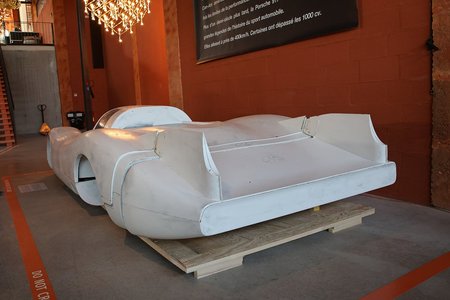
Template
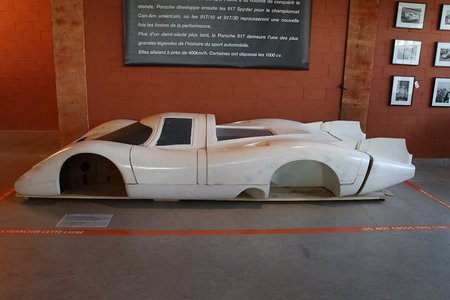
Template for the 917's initial bodywork
To illustrate this model, here is a reconstruction of #917-005, seen in action at the Circuit Paul Ricard during the 2019 Dix Mille Tours.
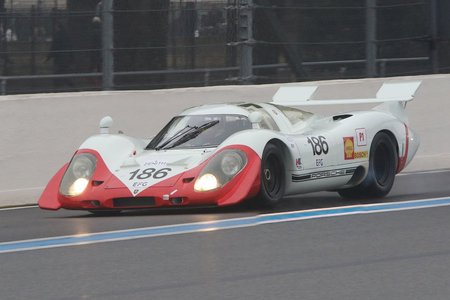
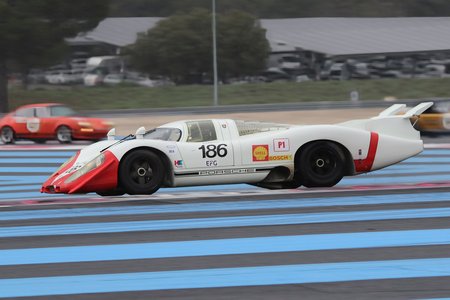
I have tried to capture the atmosphere of this exhibition as accurately as possible by including photos of the cars in action, whenever possible.
While we await the next retrospective of another model—whether a Porsche or otherwise—in this magnificent setting that delightfully blends the art of light with the art of the automobile.