You show up at the track with your car loaded and ready to run. The tech inspector walks over and asks for your insurance card, which you hand over without thinking twice about it.
Then he shakes his head and tells you the bad news. Your regular auto policy doesn't count here, and most people find this out the hard way. Track events aren't covered under standard car insurance, which means you just put everything at risk by showing up without the right protection.
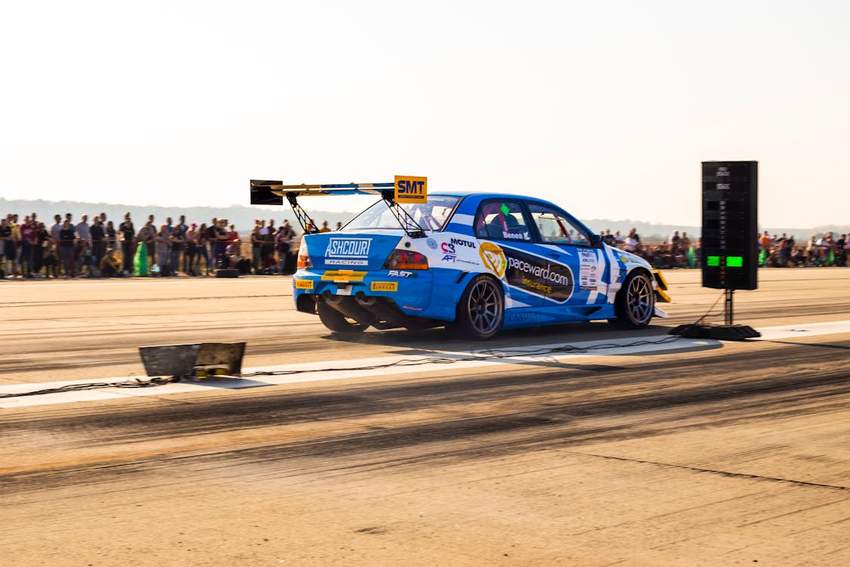
Photo by Saskia Designs
What Standard Auto Insurance Won't Cover at the Track
Your regular car insurance handles fender benders and highway mishaps just fine. Racing falls into a completely different category that insurance companies see as high-risk territory needing its own specialized protection.
Check your policy fine print and you'll find exclusions for competitive driving, timed events, and track use. Doesn't matter if you're doing autocross in a parking lot or full-on wheel-to-wheel racing because those exclusions apply across the board.
Common Exclusions That Catch Drivers Off Guard
Standard policies leave several major gaps that can cost you thousands of dollars when something goes wrong.
● Any damage during timed runs or competitions won't get covered
● Property damage you cause at the track comes out of your pocket
● Medical bills from racing injuries exceed what basic policies pay
● Loss of racing gear and aftermarket parts rarely qualifies for reimbursement
Here's what scares most racers once they learn the truth. Wreck your car during a track day and you're paying out of pocket for every repair. Damage track property and you could face lawsuits with zero protection backing you up. Waivers don't shield you from everything, no matter what some drivers believe about their legal protection.
Some racers face another hurdle before they even get to the track. Past violations can suspend your license, which blocks you from competing in many series that require valid credentials. If you've had violations that led to suspension, they help you to get your license back with a SR-22 which restores both your street driving privileges and racing eligibility so you can return to the sport.
Personal vs. Professional Racing Coverage
Amateur track days need different coverage than pro racing, and knowing which one fits your situation saves you money while avoiding dangerous gaps.
Track Day Coverage for Amateur Drivers
Track day policies cover recreational drivers at non-competitive events where you're just practicing and improving your skills. You get protection for your car during practice laps, liability coverage if you damage track property, and medical payments to help with injuries. Expect to pay a few hundred dollars per event depending on your vehicle value and the coverage limits you choose.
Professional Racing Insurance
Pro coverage handles competitive series where money and points are on the line throughout the season. Costs run higher but limits go up significantly to match the increased risks. You'll get team liability, pit crew protection, and sponsor coverage bundled into comprehensive packages. Annual premiums can hit several thousand dollars based on your series requirements and car value.
Start small and grow your coverage as you advance through different competition levels. A weekend warrior running a few autocross events needs less protection than someone running a full season in multiple series.
Protecting Your Investment During Transport
Getting your race car to the track safely creates its own set of risks that differ from what happens during competition. Transport coverage operates separately from your on-track protection and fills gaps your regular policy won't touch.
Enclosed trailer insurance protects your vehicle while it's being hauled to and from events. Loading, driving, and unloading all get covered under these policies, which is important because your regular auto policy won't extend to cars on trailers even if you own both the truck and trailer.
Hiring a transport service means you need to ask for their cargo insurance details in writing before loading your car. Many transporters carry coverage but limits vary wildly, and some only insure a fraction of your car's real value. Get confirmation before you hand over the keys to avoid disputes if something goes wrong during transit.
The National Highway Traffic Safety Administration publishes transport safety guidelines that can help lower your insurance costs through proper tie-down procedures and correct weight distribution.
Coverage Requirements by Event Type
Each type of racing event comes with different insurance needs, and matching your coverage to the specific format prevents gaps while eliminating waste on protection you don't need.
Autocross and Time Trial Events
These events keep things relatively simple on the insurance front compared to more serious competition. Organizers might just want proof of regular auto insurance or ask you to sign a waiver. Certain clubs bundle event insurance into your entry fee for a few extra dollars, which covers basic liability for all participants.
Wheel-to-Wheel and Endurance Racing
Close racing at high speeds demands serious coverage because the risks multiply exponentially. Sanctioning bodies usually require $300.000 to $500.000 in liability minimums just to let you on the track. Endurance racing gets even trickier because you're sharing a car with teammates, and every driver who touches the wheel needs coverage under your policy.
Vintage Racing Considerations
Old race cars cost a fortune to fix or replace using period-correct parts that are hard to find. Standard depreciation formulas don't work here because these cars often appreciate over time. Agreed value policies lock in what your car's worth before any incident happens, so you'll pay slightly more upfront but won't fight over valuations after a crash.
According to data from the Insurance Information Institute, specialty vehicle insurance keeps growing as more people get into motorsports and discover they need protection beyond standard policies.
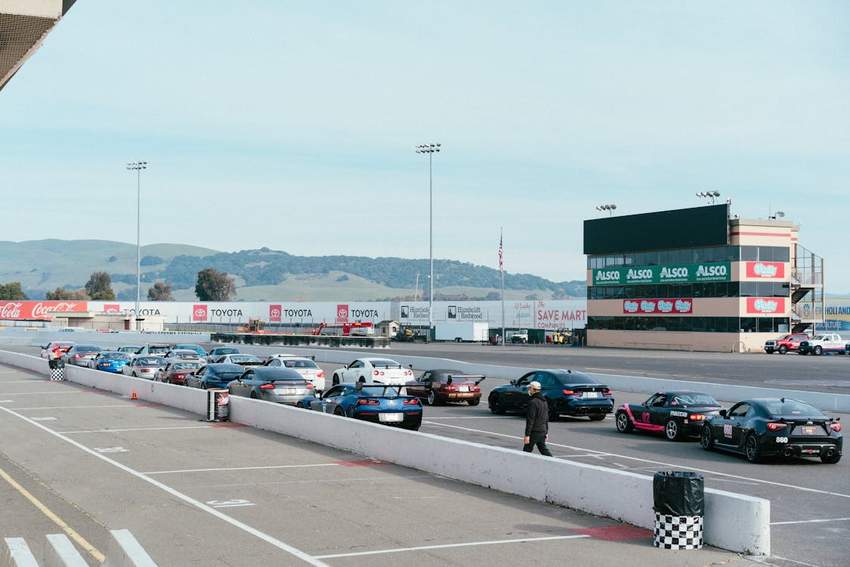
Photo by Deane Bayas
Building Your Protection Strategy
Racing insurance isn't one-size-fits-all, so you need to list out everywhere you need coverage throughout your season. Practice days, actual races, transport, and storage all create different exposures that require specific attention.
Find brokers who specialize in motorsports rather than working with regular insurance agents who won't understand racing-specific risks. You need someone who can compare multiple carriers and knows which ones have the best reputations for handling claims fairly.
Check your coverage before every season starts because your needs change as your program grows. Maybe you bought a faster car or started running more events at different tracks. Keep receipts, photos, and modification records organized because claims go much smoother when you've got solid documentation ready to submit.
Racing's supposed to be fun and rewarding, not a source of constant financial anxiety. The right coverage keeps it that way by letting you focus on shaving seconds off your lap time instead of worrying about potential bankruptcy. Get protection that matches your real racing activity rather than just satisfying bare minimum requirements, because you've worked too hard building your program to risk it all over inadequate insurance.