Le Mans 1955 changed everything. A single crash killed over 80 spectators. Racing organizations scrambled to prevent another disaster. They built safety programs that would eventually save lives far beyond the track.
Your car carries technology born from racing catastrophes. Teams test these features at speeds most drivers never experience. The harshest conditions reveal what actually works. Automakers then adapt these proven solutions for regular traffic. But even the best technology can't stop every accident. People still get hurt despite all these advances. Resources like the firm's website help accident victims understand their rights and options after crashes.
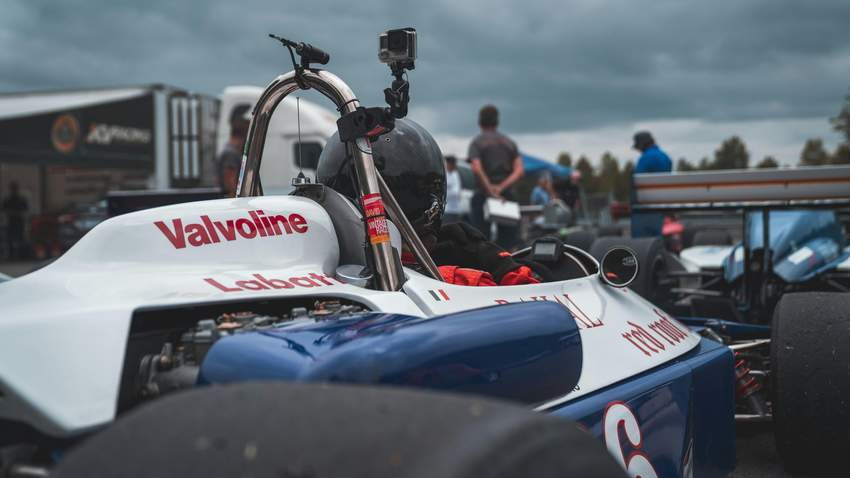
Photo by Jean-Daniel Francoeur
Race-Proven Structural Protection
Cars didn't always protect people during crashes. Early vehicles crumpled everywhere, including around passengers. Racing engineers figured out something smarter.
Strategic Impact Absorption
Race cars introduced survival cells decades ago. Certain areas collapse on purpose during impacts. Other sections stay rigid to protect people inside. Modern cars copy this exact approach.
Your sedan has crumple zones front and rear. These areas fold in predictable ways when you crash. The passenger compartment stays intact while everything else absorbs energy. This design cuts serious injuries dramatically compared to older vehicles.
Hidden Strength Where It Counts
Roll cages keep race drivers alive during flips. Your car has the same idea built into its structure. You just can't see the reinforced pillars and side beams. They stop roofs from collapsing during rollovers. They also maintain door integrity when another car hits from the side.
Formula 1 teams built the first monocoque chassis back in the 1960s. They created one rigid shell instead of a separate frame and body. Almost every modern car now uses this construction method. High-strength steel and aluminum provide exceptional protection while keeping weight down.
Restraints That Actually Work
Racing harnesses attach at multiple points. They lock drivers in place during violent crashes. Consumer vehicles adapted this technology for everyday use.
Three-point seat belts now include pretensioners. Sensors detect crashes in milliseconds. The belt tightens automatically before the main impact hits. This positions you correctly and removes dangerous slack.
Load limiters add another layer of protection. The belt releases slightly after initial restraint. This prevents chest injuries from excessive pressure. Research from the National Highway Traffic Safety Administration shows this combination reduces serious chest injuries by about 20 percent.
Airbags Everywhere
Early airbag systems failed constantly. Racing data helped engineers solve the timing problems. Now vehicles contain multiple airbags that deploy based on crash severity:
Front airbags protect during head-on collisions
Side curtain airbags shield heads in T-bone crashes
Knee airbags prevent lower leg injuries
Seat-mounted airbags add torso protection
Touring car championships provided the data for side curtain airbags. Door intrusions caused too many head injuries. Engineers developed bags that drop from the roof line. They create a cushion between the heads and the windows.
Braking Systems From The Track
Anti-lock brakes started in racing programs. Teams needed steering control during hard braking. Locked wheels meant crashed cars. ABS prevents wheel lockup hundreds of times per second. Your car steers even during emergency stops.
Traction control builds on ABS technology. It stops wheels from spinning during acceleration. Racing teams initially hated giving up that control. Road cars benefit more since most drivers can't modulate the throttle perfectly. The system cuts power or brakes individual wheels when you start to skid.
Stability Control Changes Everything
Electronic stability control might be the biggest safety advance in 20 years. Sensors detect when your car starts to spin. The system applies individual brakes automatically. It restores control before you even react.
Studies show ESC prevents about one-third of fatal single-vehicle crashes. It cuts rollover risk by over 70 percent in SUVs and trucks. This technology saves thousands of lives every year. It came straight from racing data on vehicle dynamics.
Modern Driver Assistance Features
Race teams record hundreds of data points during every lap. They analyze driver performance and mechanical issues. Consumer vehicles now use similar sensors for safety.
Cameras And Collision Warnings
Racing developed sophisticated camera systems first. Teams needed to navigate tight pit lanes safely. They also wanted to monitor competitors without looking away. Your car now has these cameras for backing up and parking.
Rearview cameras became mandatory on new U.S. vehicles in 2018. They eliminate blind spots that cause backup accidents. Guidelines help you park without hitting things. This simple addition prevents countless injuries and property damage.
Forward collision systems use radar and cameras together. They detect imminent crashes automatically. Some versions just warn you. Advanced systems apply brakes or steer around obstacles. Insurance data shows these systems reduce rear-end crashes by about 50 percent.
Data That Keeps You Safe
Telematics monitors how you drive. They detect drowsiness and distraction. Some systems alert you to maintenance needs before parts fail. Professional race teams pioneered all this technology. They needed every advantage to win races.
Modern cars watch driver behavior constantly. Head position sensors know when you're falling asleep. Lane departure warnings activate when you drift. These features compensate for human error. They buy you precious seconds to react.
When Technology Fails To Prevent Crashes
Your car has more safety features than vehicles from just 10 years ago. Protection keeps improving with each model year. But serious accidents still happen thousands of times daily. Technology reduces injuries but can't eliminate all crashes.
Distracted drivers cause accidents despite automatic braking. Impaired motorists ignore warnings. Aggressive behavior leads to collisions no system can prevent. The human factor remains the biggest safety challenge on roads.
Getting Help After An Accident
Insurance companies often dispute legitimate claims. They offer settlements that don't cover actual expenses. Medical bills pile up while you recover. Lost wages create financial stress. Property damage needs immediate attention.
Personal injury lawyers who handle car accidents know how to fight back. They evaluate claims properly and negotiate better settlements. Many offer free consultations to discuss your situation. Contingency fee arrangements mean you pay nothing up front. You only pay if they recover compensation for you.
Modern vehicle complexity affects accident investigation, too. Electronic systems record what happened before crashes. Safety feature deployment tells part of the story. Mechanical failures sometimes contribute to collisions. Expert analysis of this data helps prove fault and establish damages.
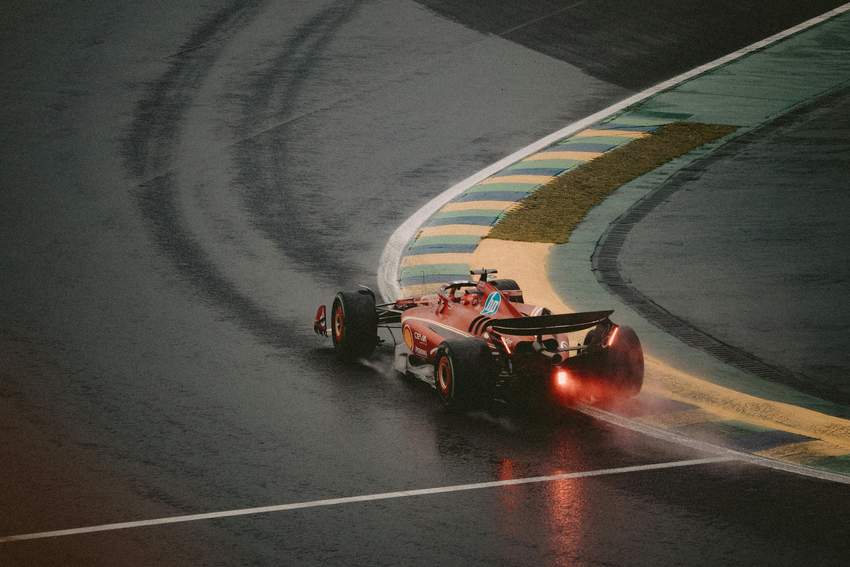
Photo by Jonathan Borba
Better Protection Ahead
Racing pushes safety innovation forward constantly. Each season brings new materials and designs. Electronic systems get smarter and faster. The gap between racing adoption and consumer availability keeps shrinking. Manufacturers recognize that safety features sell cars.
You can maximize your protection right now. Understand how your safety systems actually work. Maintain seat belts and check airbag warning lights. Keep tires properly inflated and rotated. Good maintenance ensures everything works when you need it most.
Defensive driving habits matter just as much as technology. Leave a following distance for sudden stops. Scan ahead for potential problems. Assume other drivers will make mistakes. Combining advanced safety features with smart driving gives you the best possible protection.