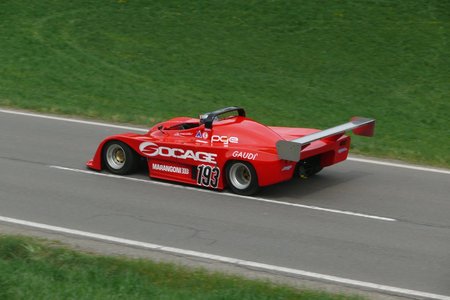
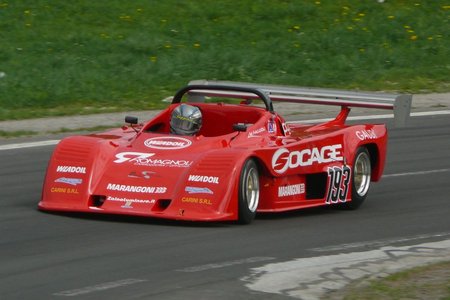
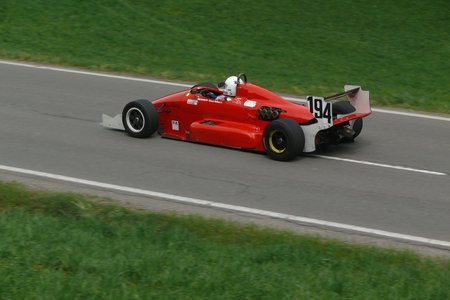
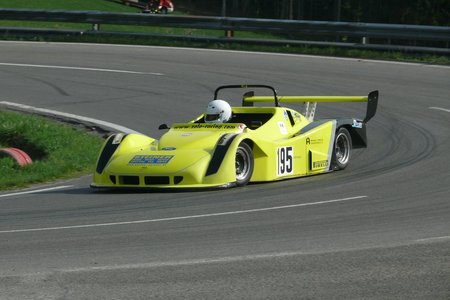
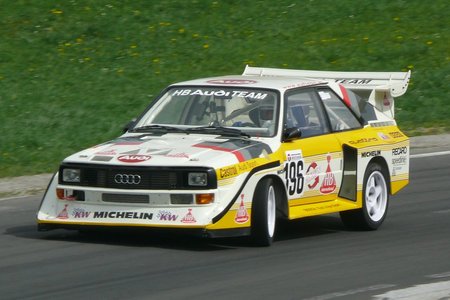
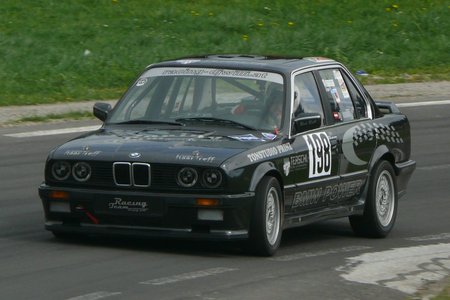
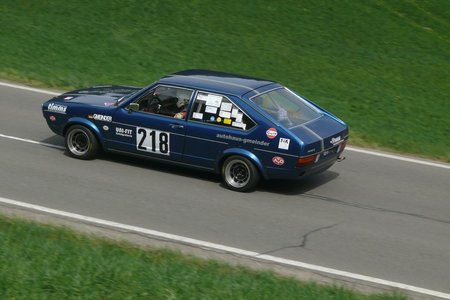
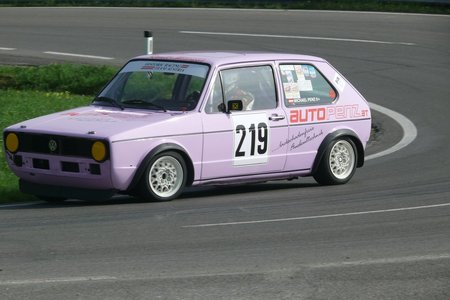
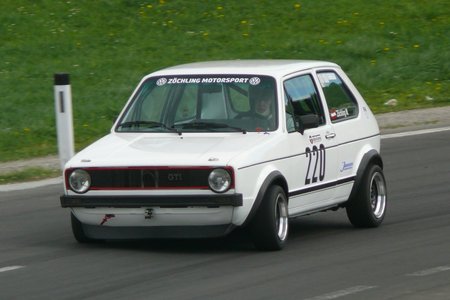
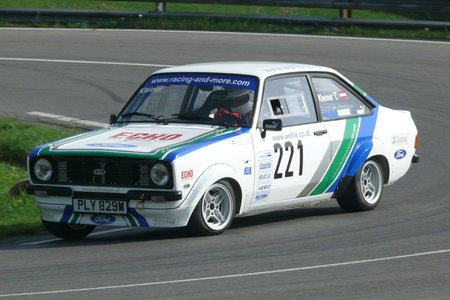
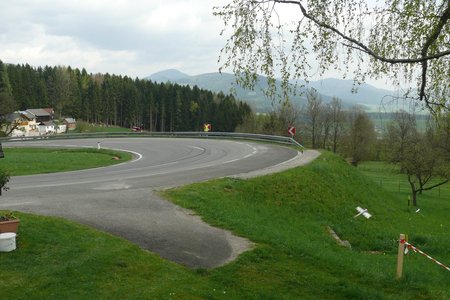
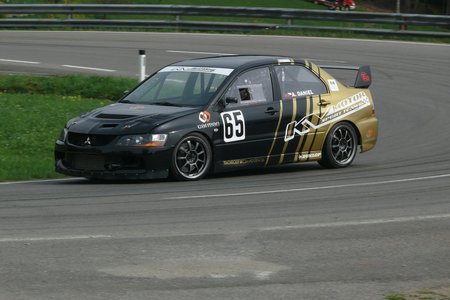
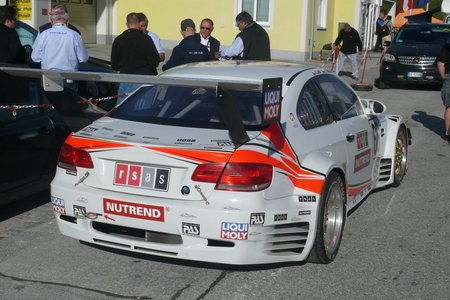
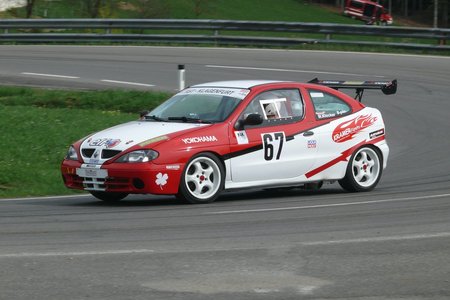
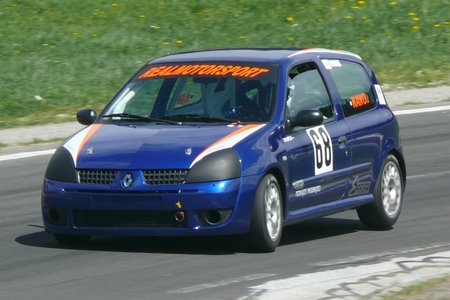
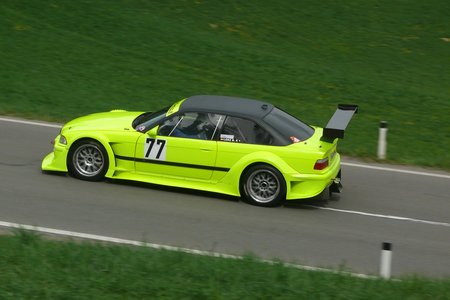
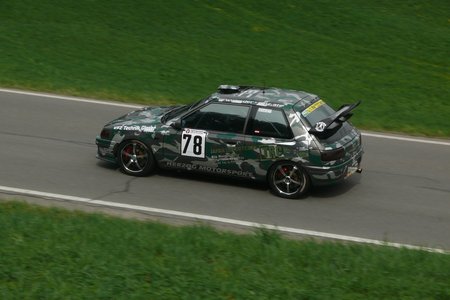
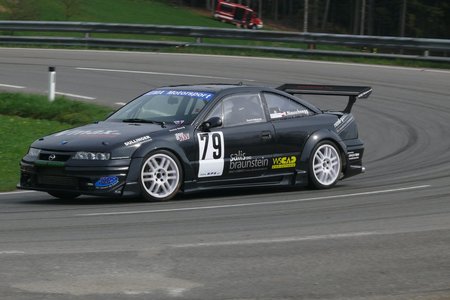
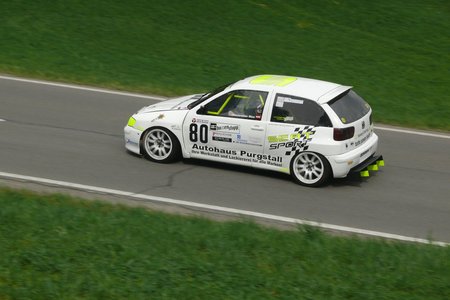
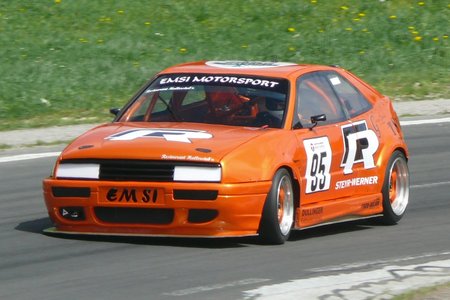
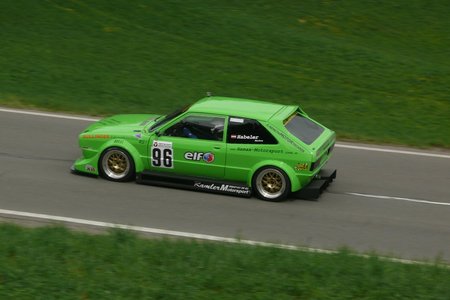
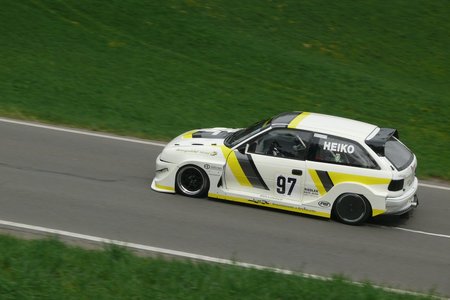
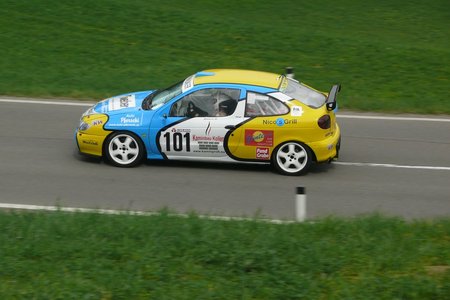
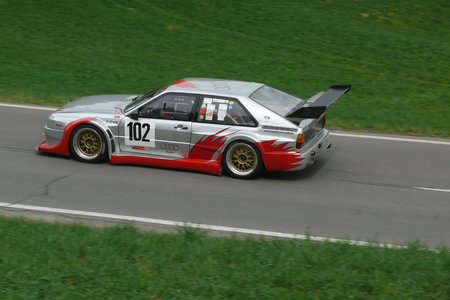
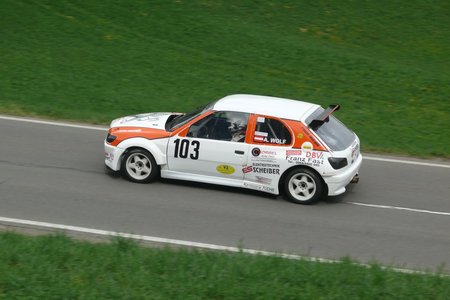
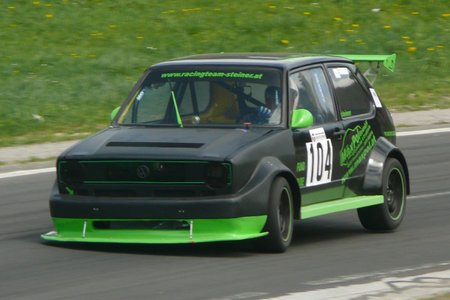
While we make regular reports from European Hill Climb Championship race held in Czech Republic, called Ecce Homo, this time we made our first trip abroad to check the situation in nearby Austria, where a hill climb race called Rechberg-Rennen. It was second round of the EHC championship and while it had usually much better entry than the Ecce Homo, this year the quick look at the participants suggested that there were not so many good drivers and cars for at least ten year, if not more. We have never experience such large number of sports prototypes and sports car in a hill climb race. Also the touring car category progressed a lot and former Groups N and A were now mainly replaced by specials in Groups E1 and E2 Silhouettes. En extreme car was Edlinger's BMW with a special 4-litre engine, a silhouette car which was capable of over 230 kph on the straits. Rarely any sports car was capable of such speed.

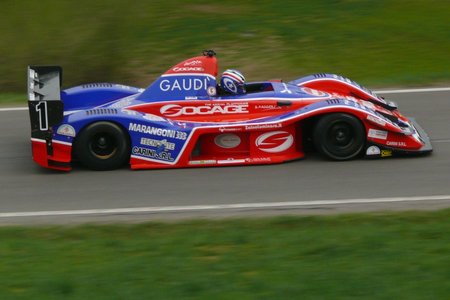
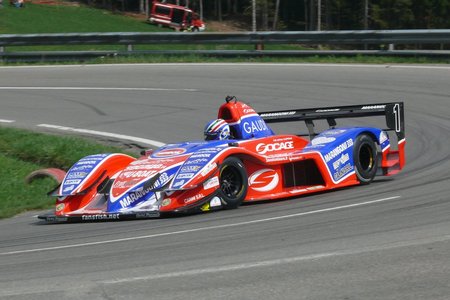
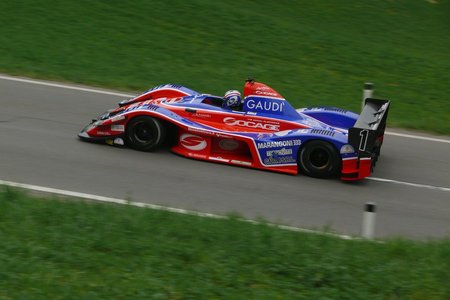
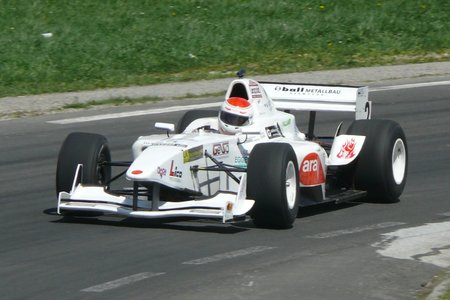
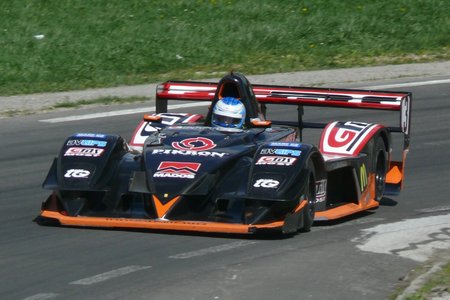
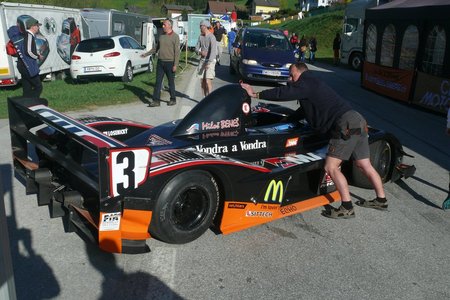
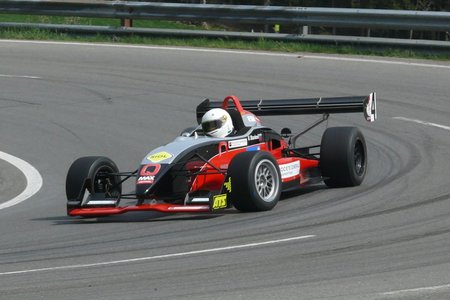
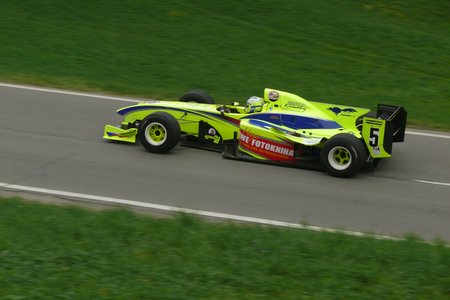
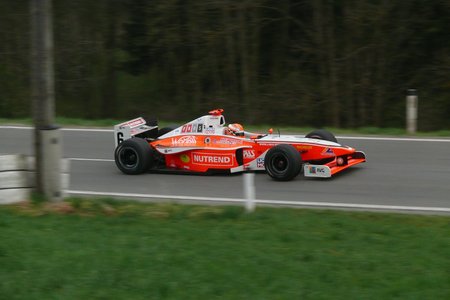

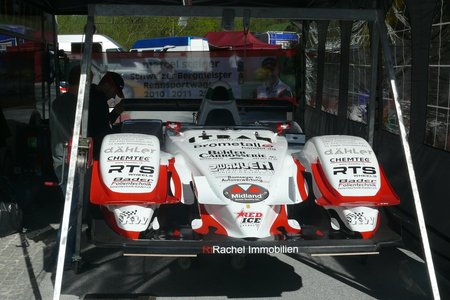
It was one of good features for the spectators that on several places that were speed measurement devices which displayed speed after each car ran by. Fastest single seater sports cars (which raced in Group E2-SS along with pure formulas) ran between 230 and 235 kph, Turbo Porsches, the fastest 'touring' cars were able to exceed 210 kph, 2-litre prototypes manage to exceed 200 kph only rarely. The Edlinger BMW had an engine failure in the first practice on Satuday but re-appeared on Sunday but did not finish even the first race heat. It was terribly quick on straits. By the way, the slowest historic Steyr-Puchs were more than twice slower.
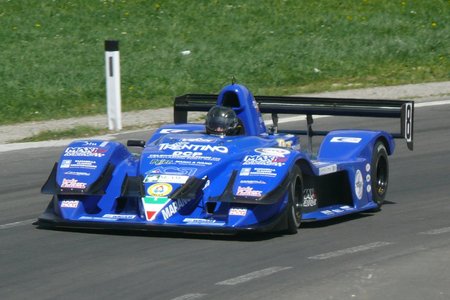
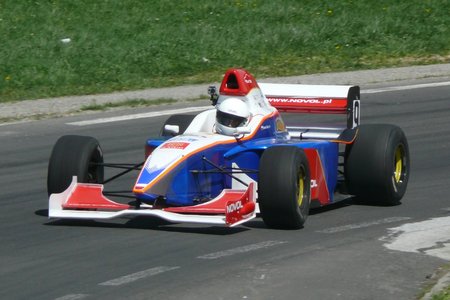
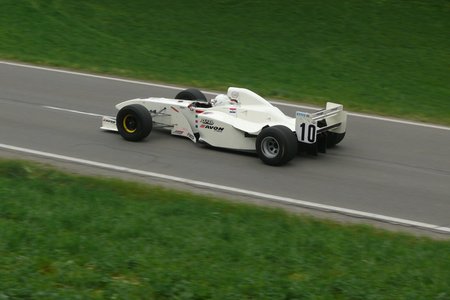
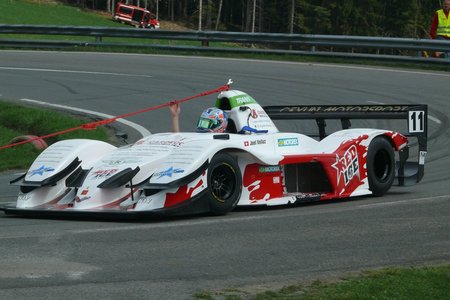
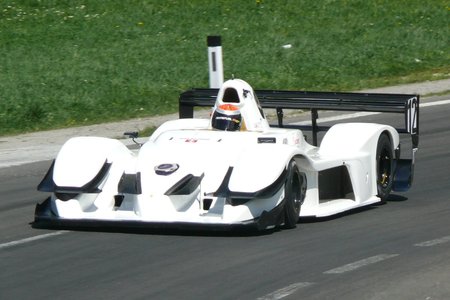
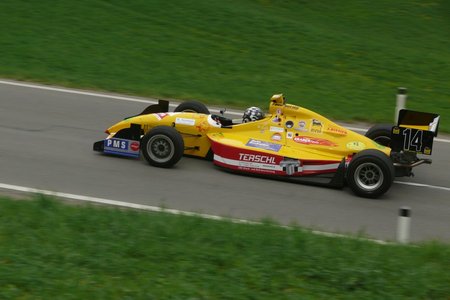
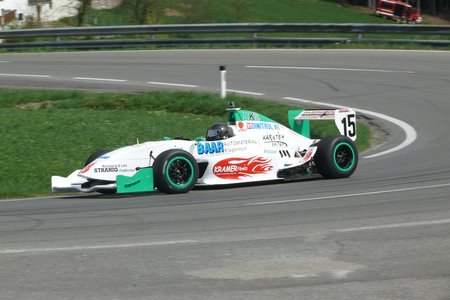
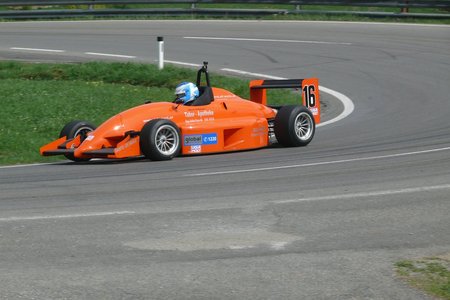
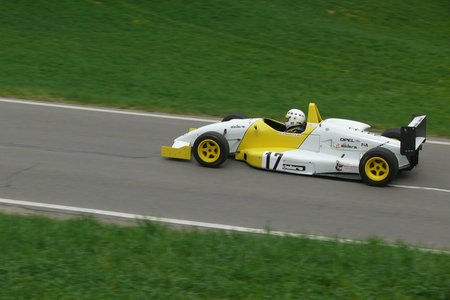
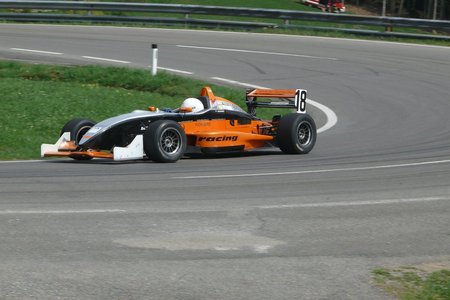
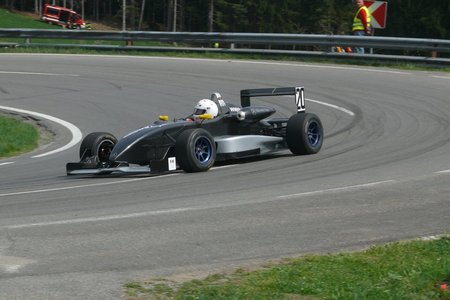
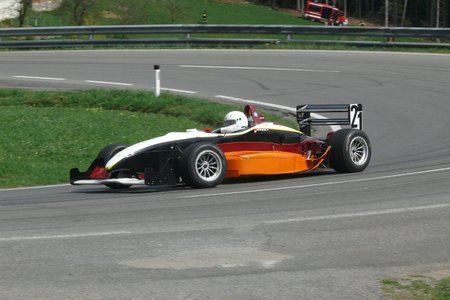
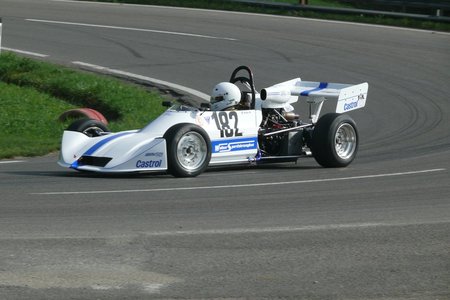
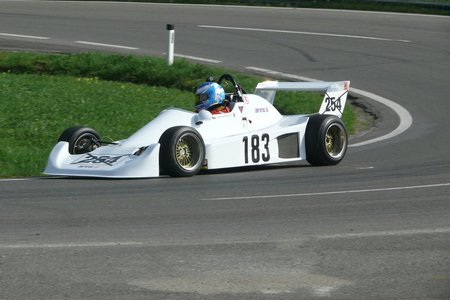
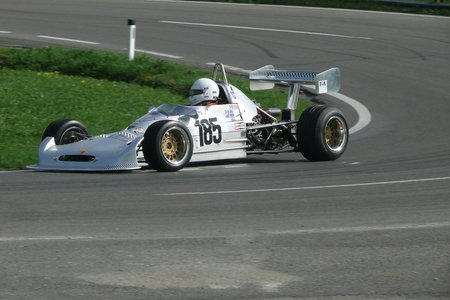
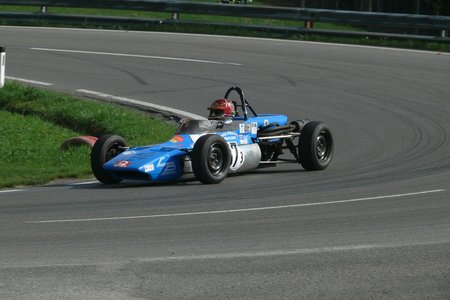
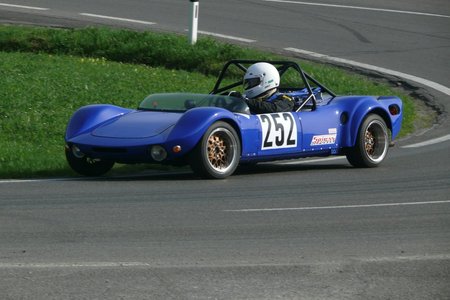
The race had two basic separate classifications. The main International race (41st International Rechbergrennen) and a Historic race. Both were covered by the event title Hill Climb Grand Prix of Austria and there were about 160 international participants and about 75 historic cars. Some of there were non-starters after mechanical failures during the practice sessions. The historic section had several sports prototypes in their entry. Shrike P16 was dead after the practice sessions. Unfortunately NSU Bergspider no.252 was out in the first practice session and more modern Shrike P16 were non-starters as well. Of the three present historic Osella, two of them completely dominated the historic race.
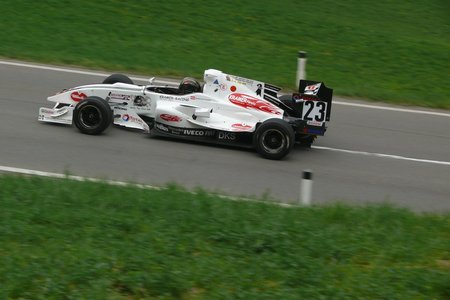
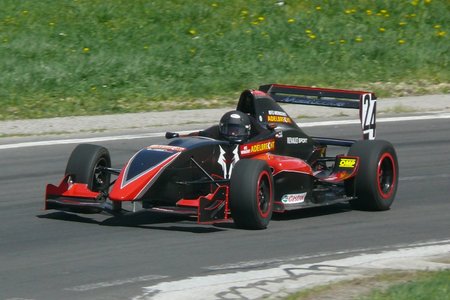
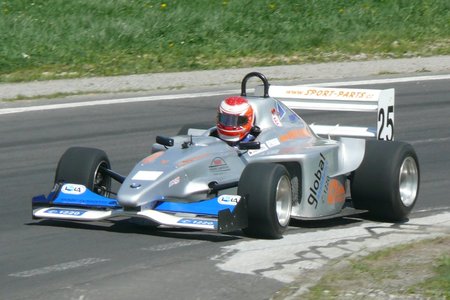
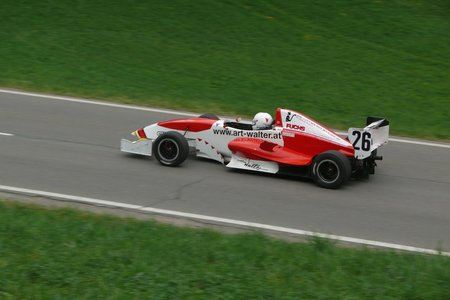
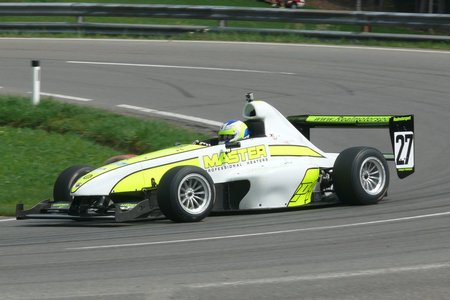
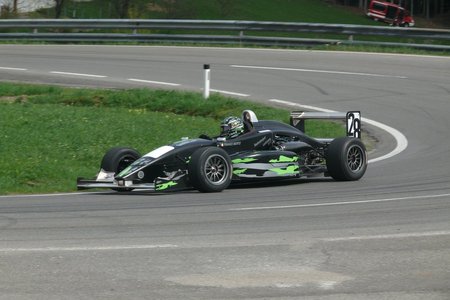
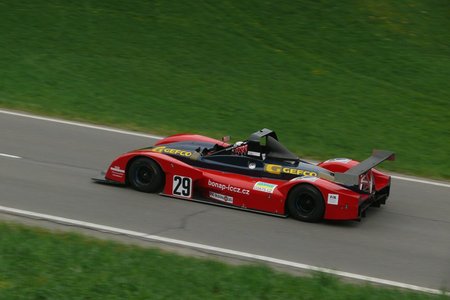
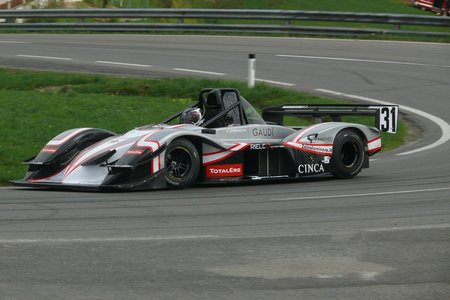
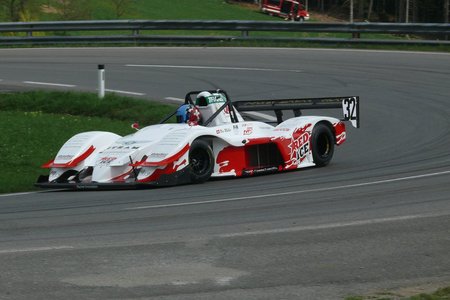
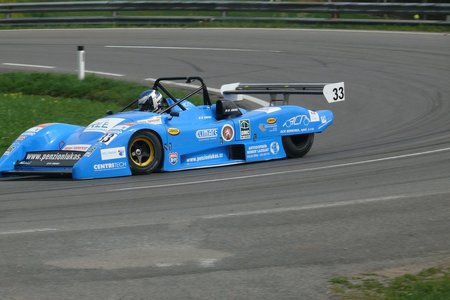
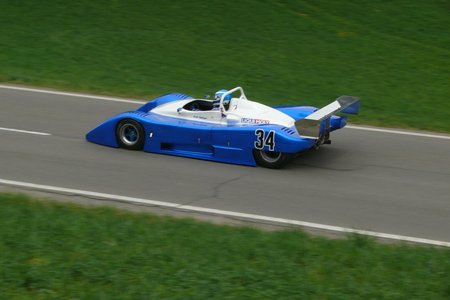
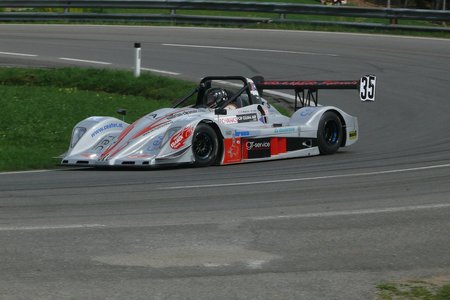
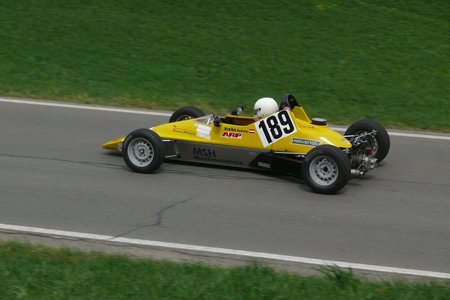
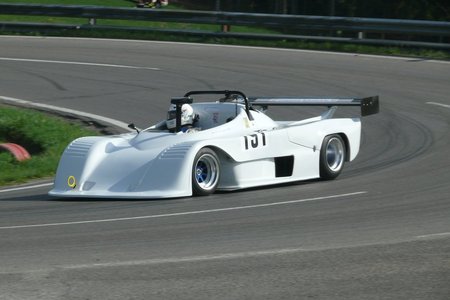
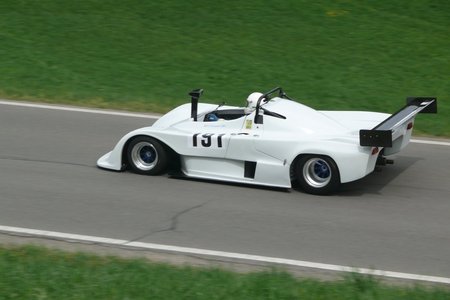
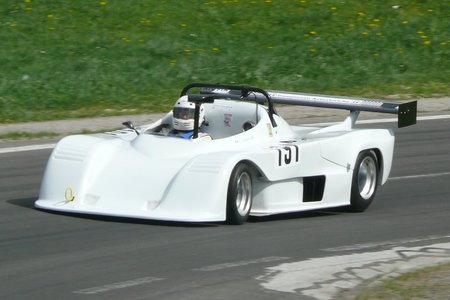
While Uberto Bonucci in newer PA9/90 was about 5 seconds quicker per heat than anyone else in the class, Mario Faggioli, a farther of current European Champion Simone, drove his PA9 based on even older PA5 chassis to a second place among the historic. His car was evaluated as the best looking car from entire field of over 200 cars of various ages. All other historic cars lagged a lot. The third overall among the historics was Friedrich Huber in Formule Vee Lola T328 some 25 second back in total. Bonucci was running at 2:17 per heat. It was more than 20 second slower than the top modern cars.
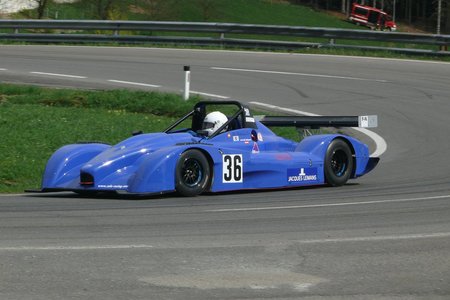
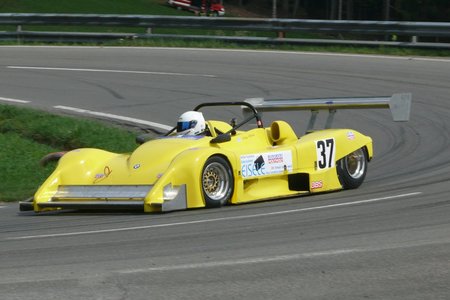
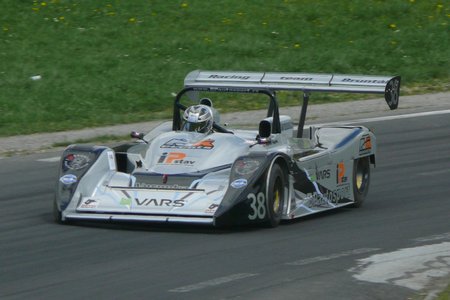
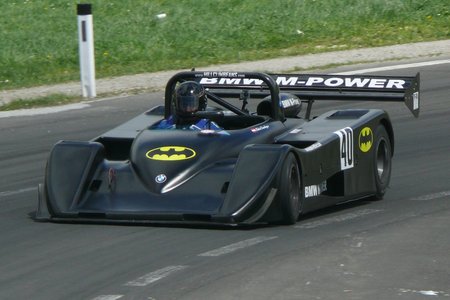
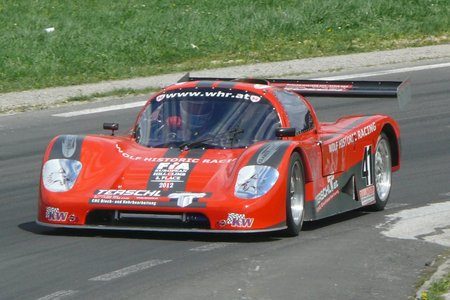
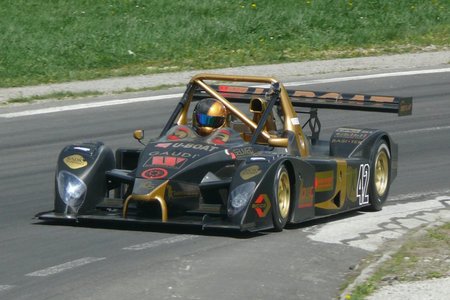
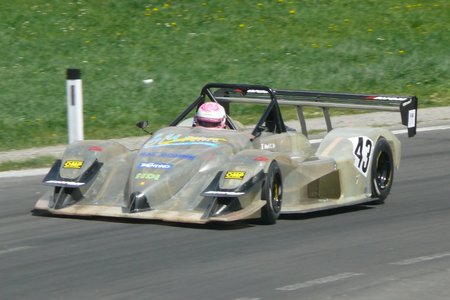
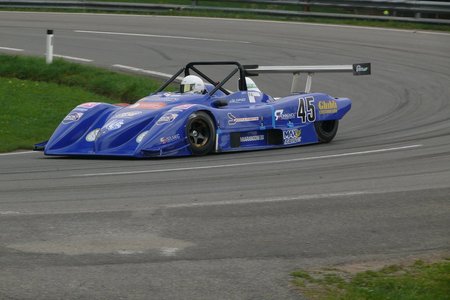
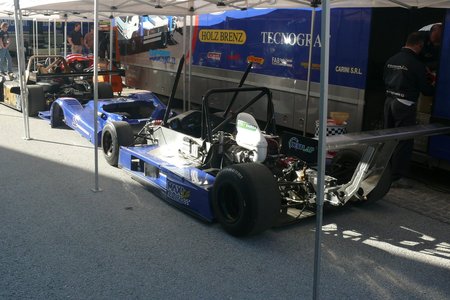
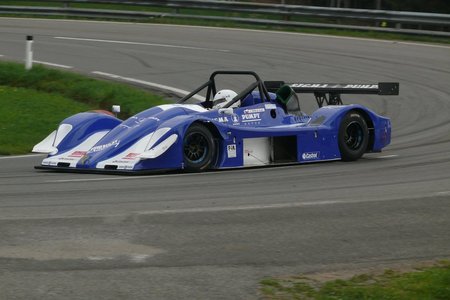
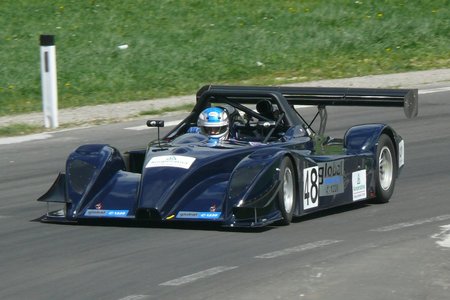
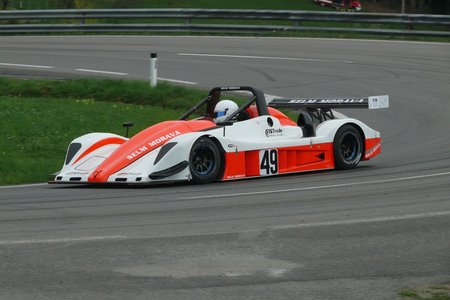
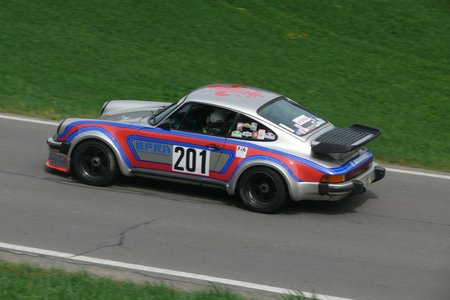
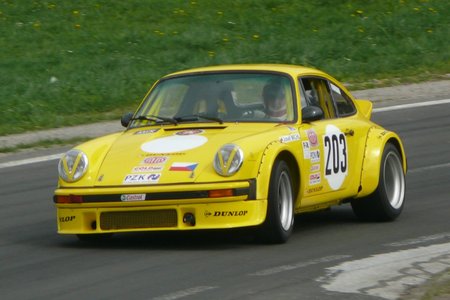
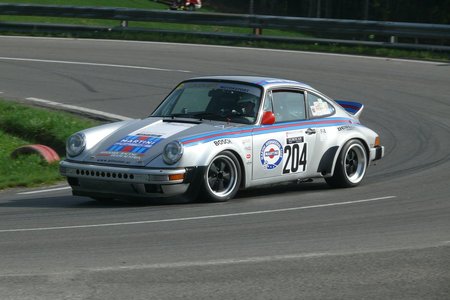
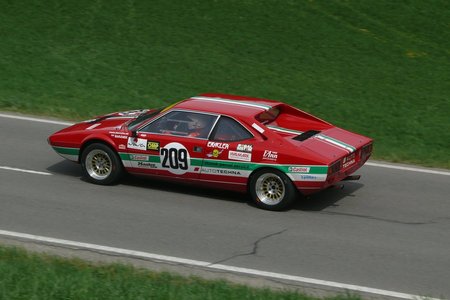
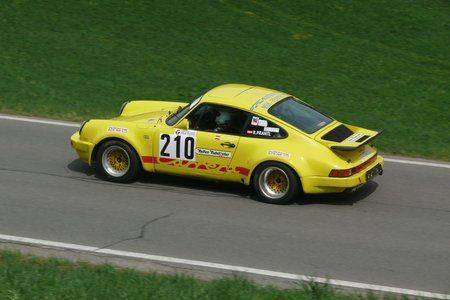
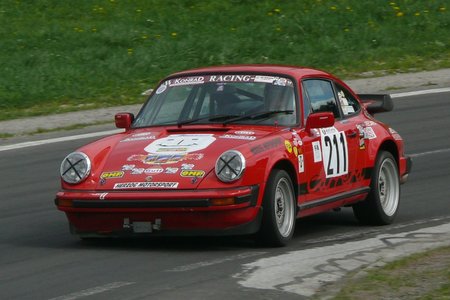
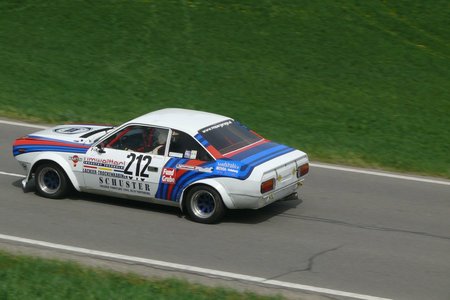
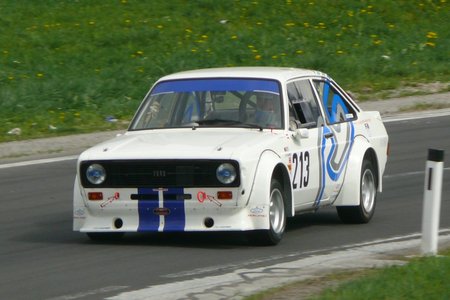
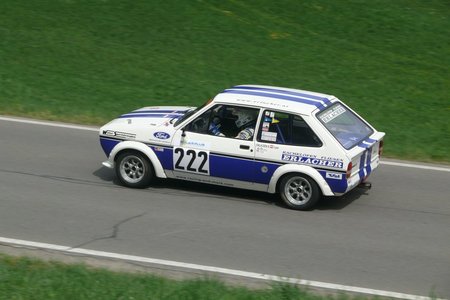
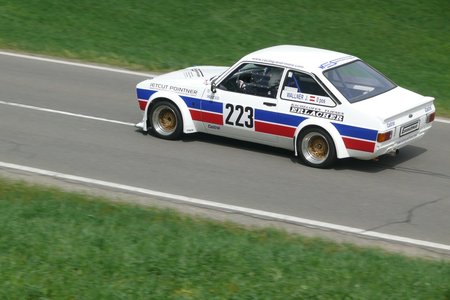
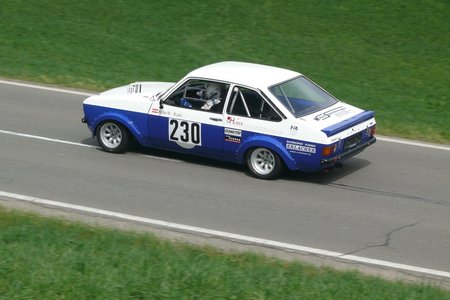
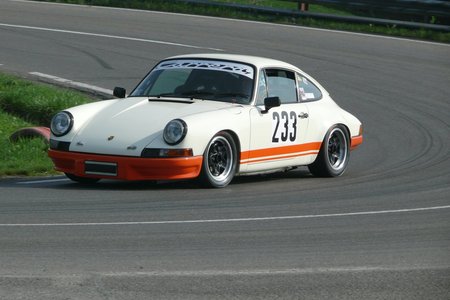
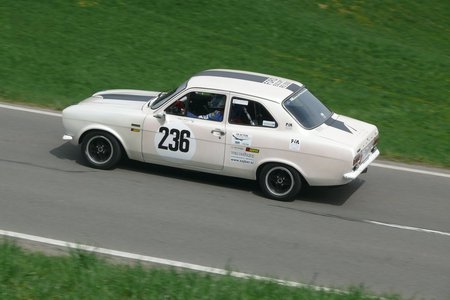
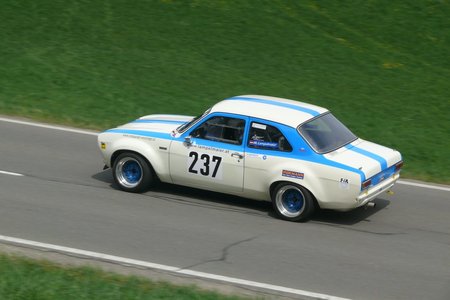
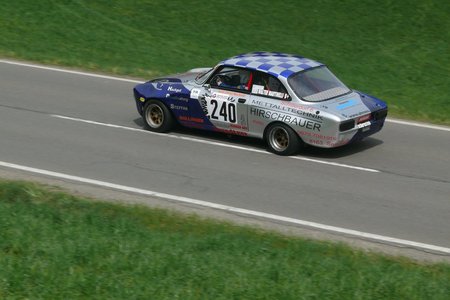
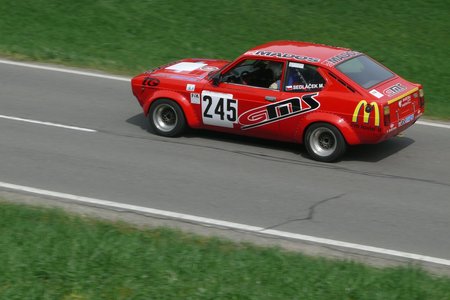
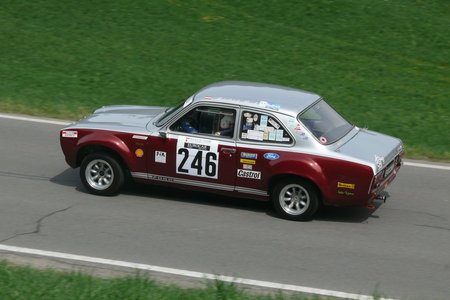
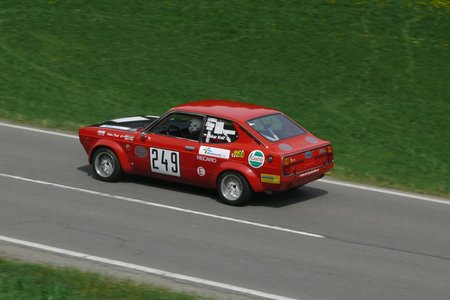
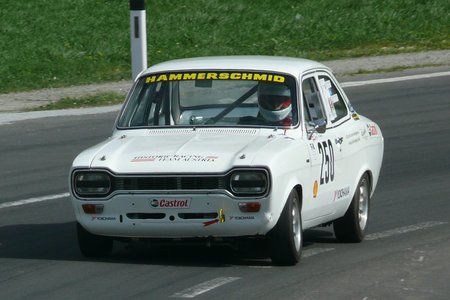
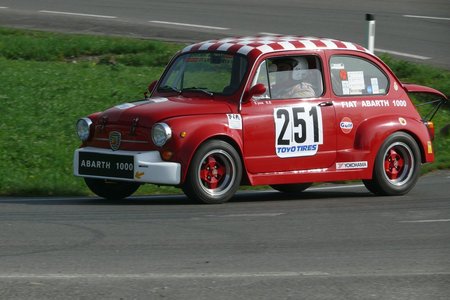
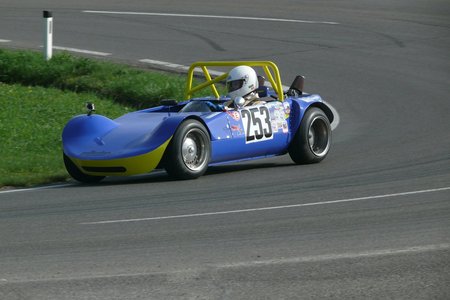
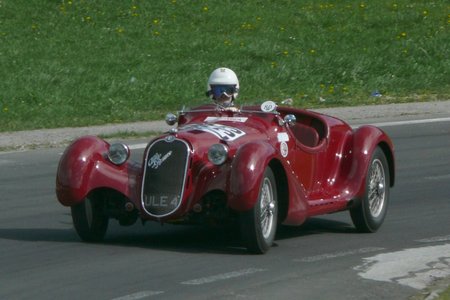
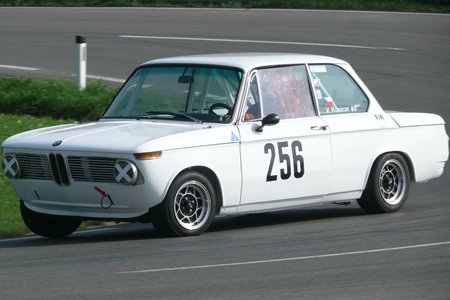
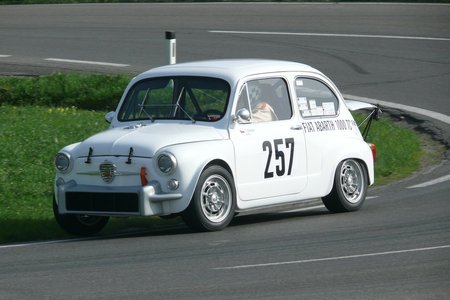
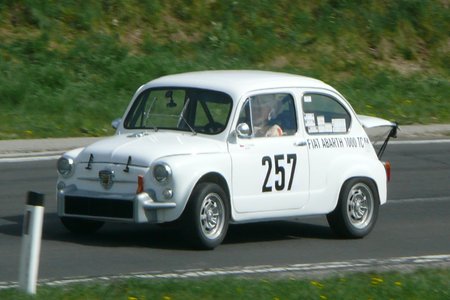
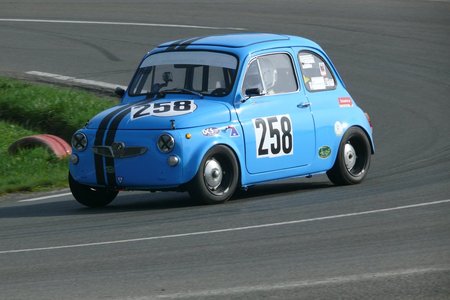
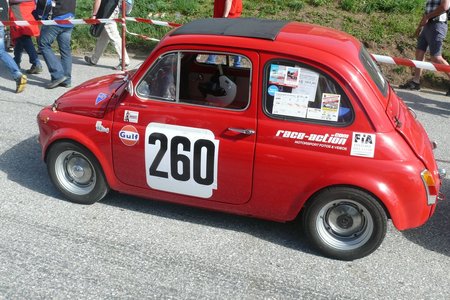
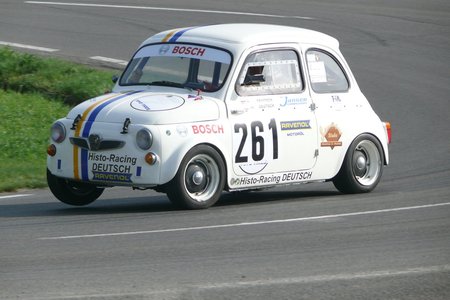
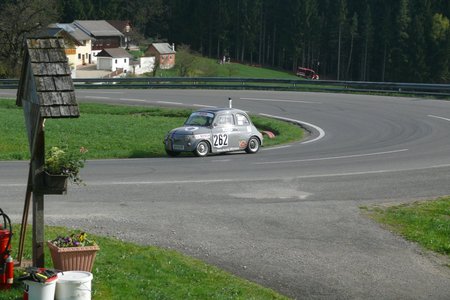
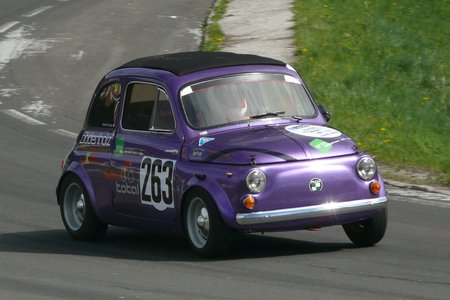
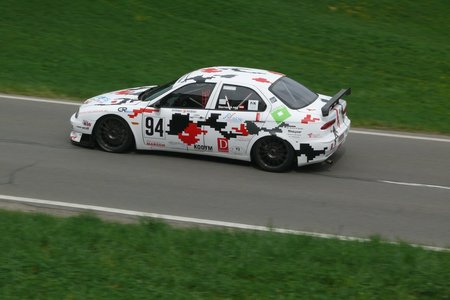
Of other interesting historic cars we would like to emphasise fourth very well prepared and driven Group 2 Ford Escort of Johannes Wallner, seventh Porsche 911 Turbo of Nocentini in Martini colours, ninth yellow Porsche 911 SC driven by Josef Michl, former successful Czech driver, eleventh white Osella driven slowly by Turriziani (very similar car to Faggiolli's car). He was even slower than really old and funny prototype no.253 driven by Harald Mössler and called Steyr Puch, which in the end finished tenth.
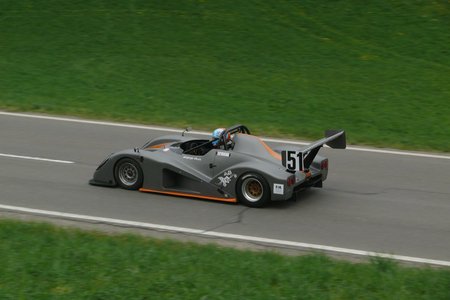
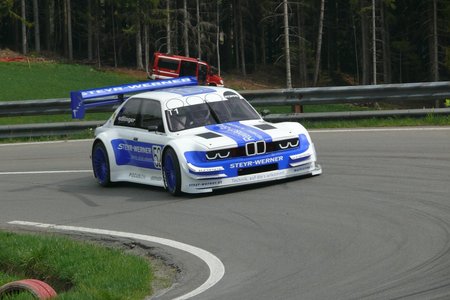
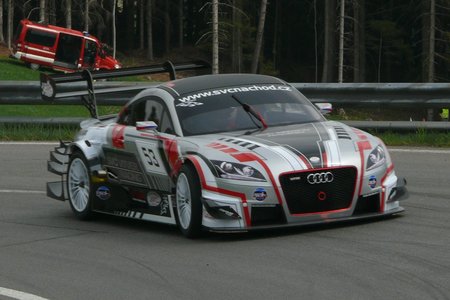
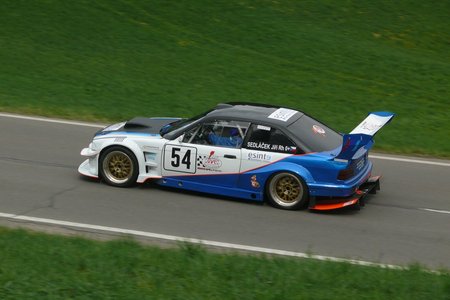
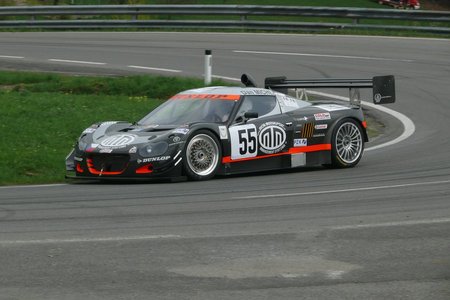
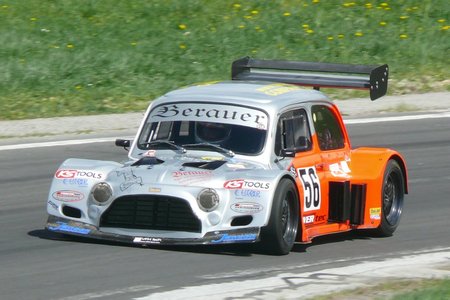
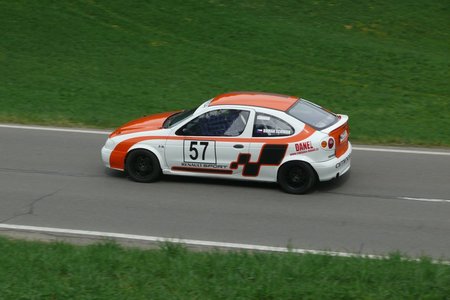
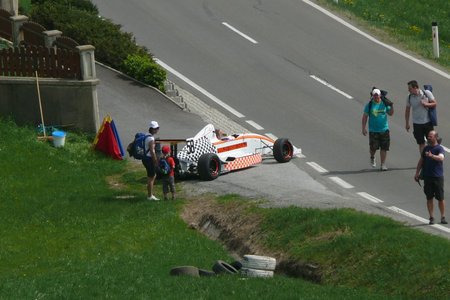
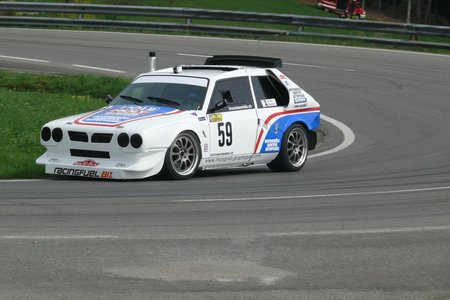
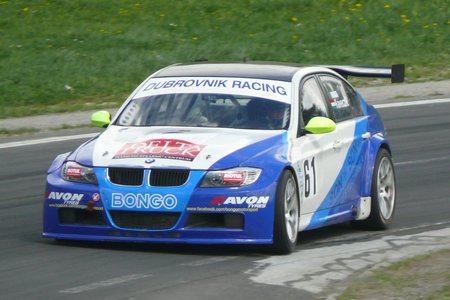
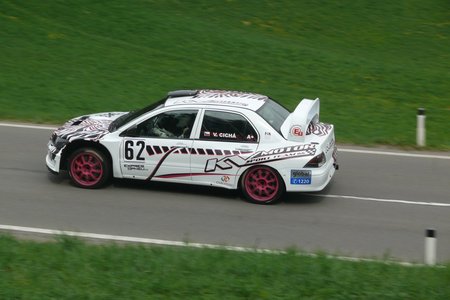
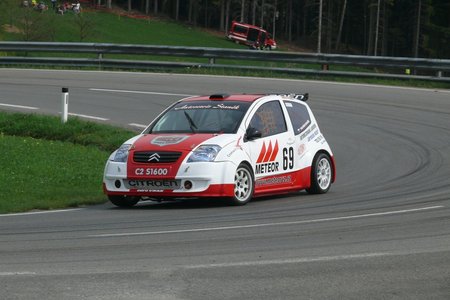
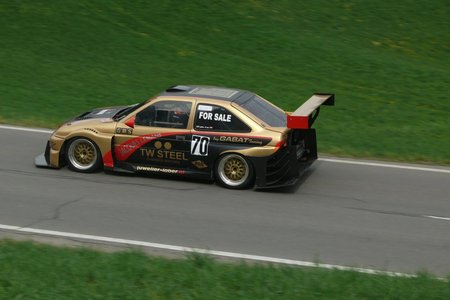
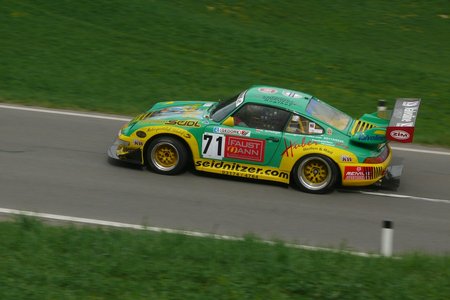
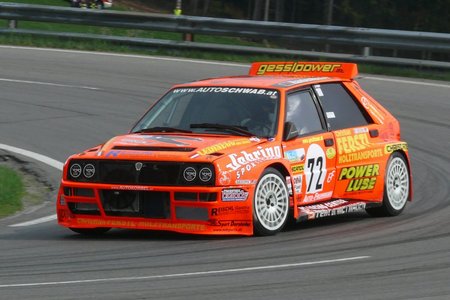
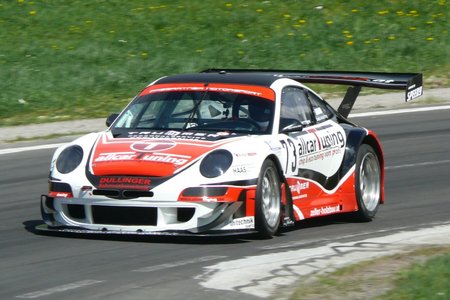
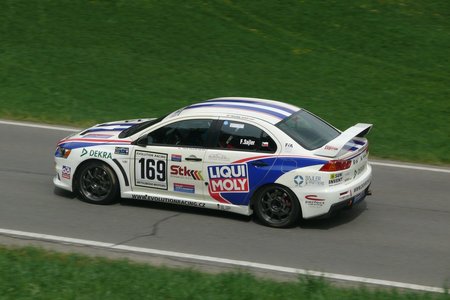
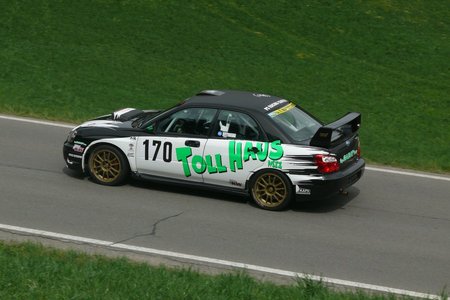
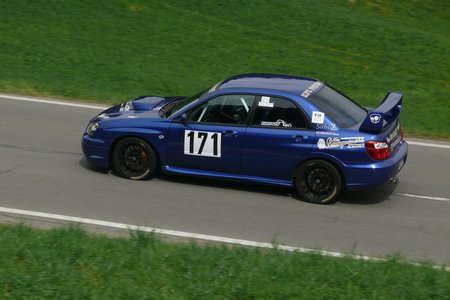
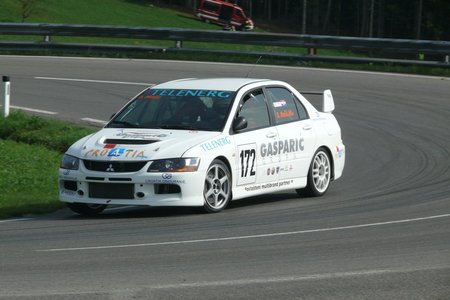
There were in total only 23 modern cars that set better overall time for the two heats than the historic race winner, among them a few extremely quick so called touring cars. Fastest of them was Herbert Pregartner in a long-tail Porsche 911 GT2 RSR ahead of felix Pailer in former Group B Lancia Delta Intergrale and another long-tile Turbo Posche 911 driven by Rupert Schwaiger.
Simone Faggioli, the European Champion from the past seasons was the main favourite. But there were clearly several other drivers running very closely behind him, or waiting for his fault. Already in the first practice heat, a Czech driver Miloš Beneš set the fastest time and left Simone Faggioli second. Steiner and Merli (in a brand new 2-litre Osella) were some 6 second behind Faggioli. In the second practice Faggioli was the first one to run under two minutes. Beneš was still second, Marcel Steiner third and Joel Volluz, who had to stopped his car in the first heat just in front of us - because of electronic failure - was now fourth overall. Merli in his 2-litre was still unbeaten by anyone with more powerful car.
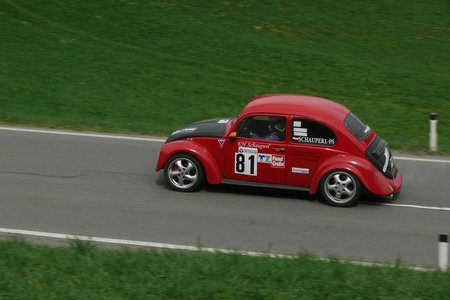
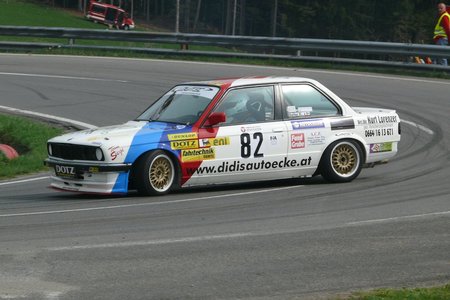
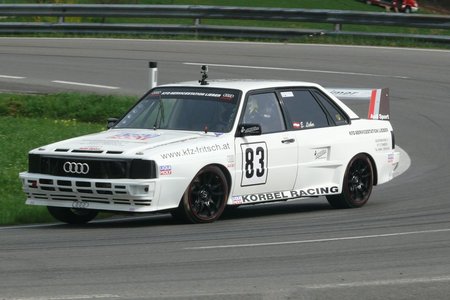
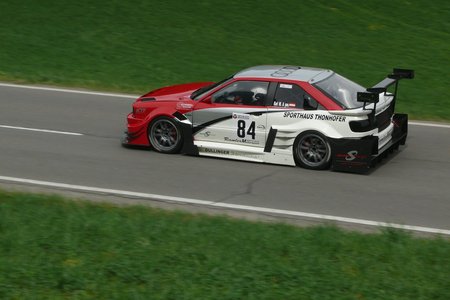
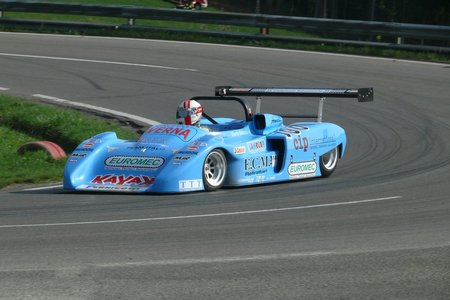
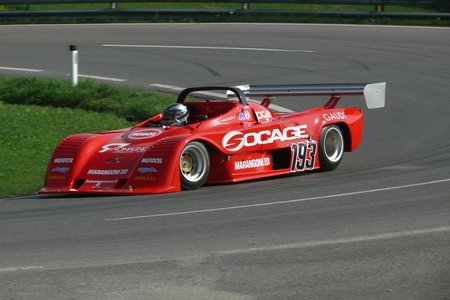
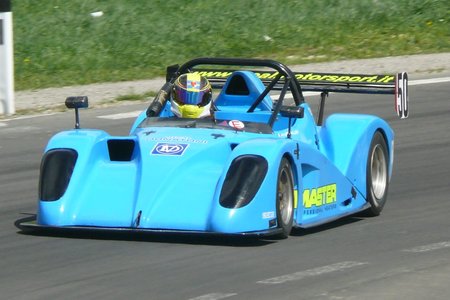
Merli was in fact the fastest pure prototype (Group E2-SC = E2 Sports Cars). All faster drivers ran Osella FA30, which is a car in E2-SS (single seater) class and should be more properly classified as a second generation Can-Am car with a full-width bodywork and narrow cockpit and a seat in the middle. There were also modern Osellas PA30, proper two-seater prototypes but never driven by the best drivers and never ran at the budgets as the fastest cars. Thus best F3000-based aging formulas were still faster at times.
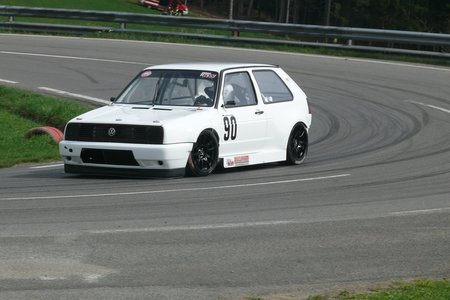
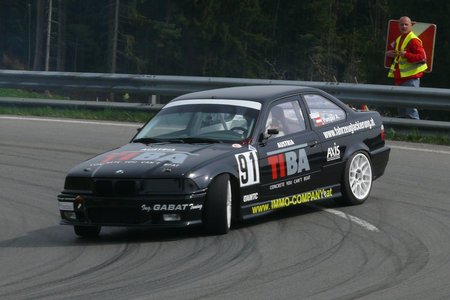
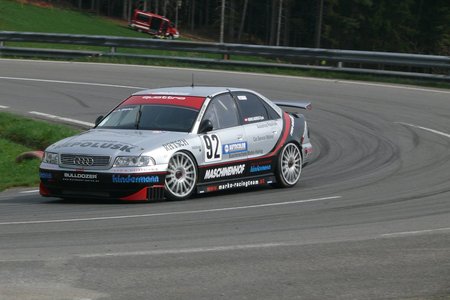
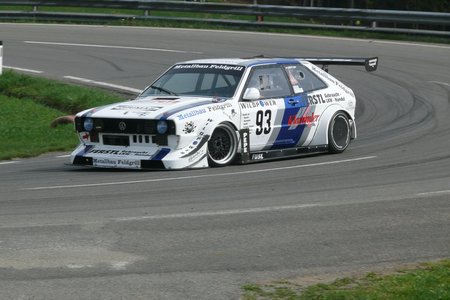
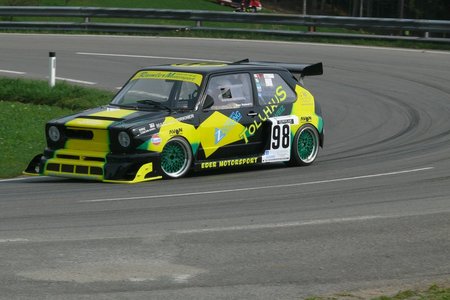
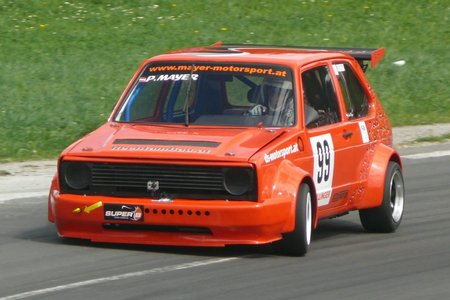
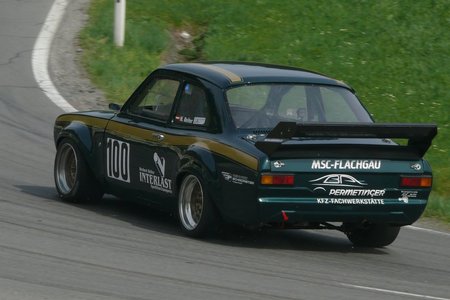
In the first race heat Osellas took the top six positions. Now the fastest PA30 driver, Fausto Bormolini, took the fifth spot. All other positions belonged to FA30s (Faggioli, Steiner, Beneš and Volluz were first four). Václav Janík was best pure formula car in seventh followed by Merli in PA21 and another FA30 driven by Franco Cinelli, a former successful EHC driver in the 1990s. Best non-Osella sports-prototype car was Dušan Nevěřil's Norma M20 FC who was provisionally twelfth.
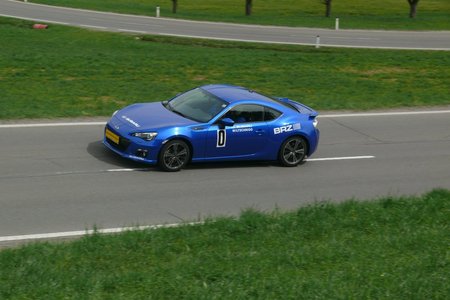
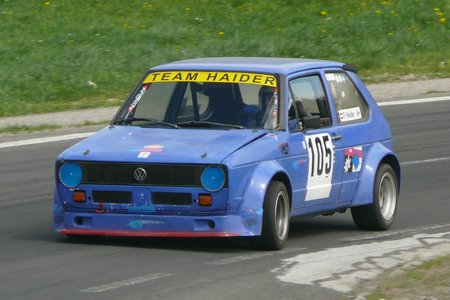

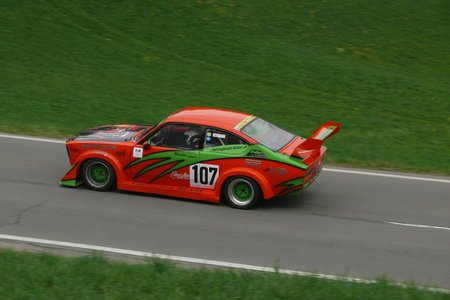
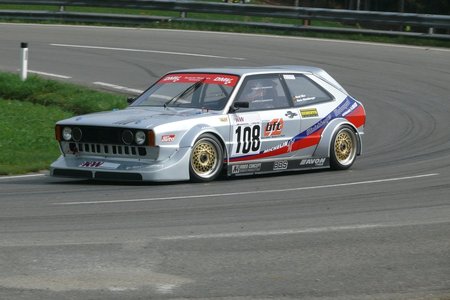
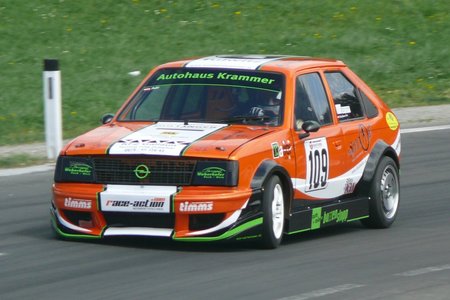
In the second heat it was FA30 in the top five in order of Faggioli, Beneš, Steiner, Volluz and Duommunn ahead of F3000 driver Krámský and Bormolini (PA30) and Dušan Nevěřil in the fastest non-Osella prototype, the French Norma M20 FC. Two-litre class favourite had not a good run and was 12 seconds slower than in hear one. Overall he still won the 2000 cc class but was behind 1600 cc winner, Federico Liber in a Gloria Formula. Pailer in his Lancia now managed to beat both Turbo Porsches in the 'touring' car class but overall positions were same as those in heat one, i.e. Pregartner was the winner of this class and 19th overall, right behind a lone Indycar formula in the field, Dallara driven by Hubert Galli. Both were running under the same banner of MSC Rottenegg team.
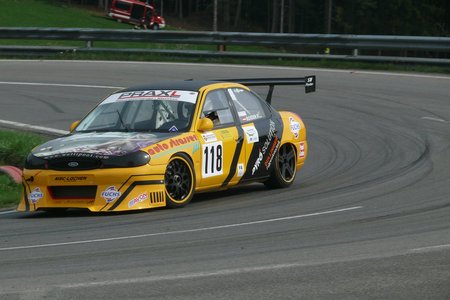
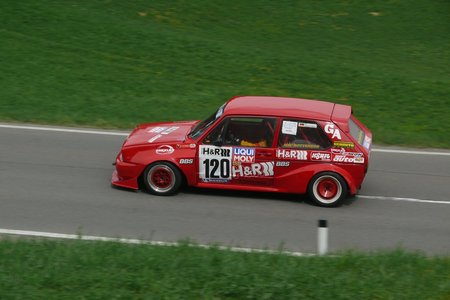
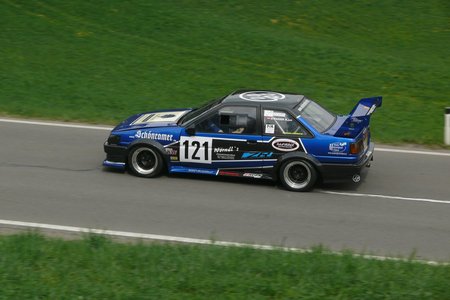

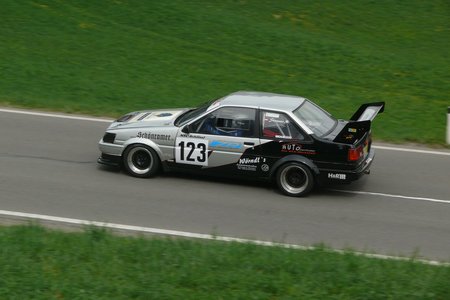
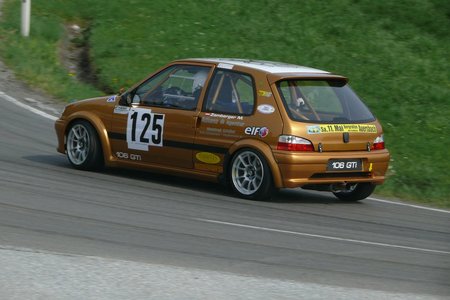
In the overall standings Osellas took top 6 positions and there another five Osellas ahead of that mentioned Dallar Indycar. Bormolini in the best PA30 was not able to get among the top 5 FA30 in the overall classification. As widely expected even before the weekend, the overall winner was nobody else than Simone Faggioli but other drivers Steiner, Beneš, Volluz and Ducommun were closed behind in that order. In the second heat three of them managed to set a time within 2 seconds off the Faggioli.
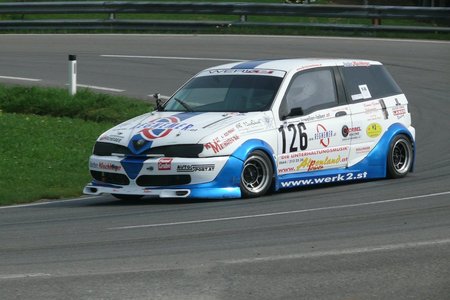
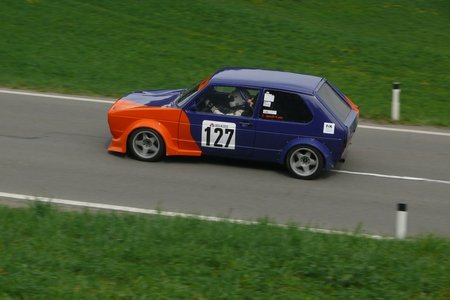
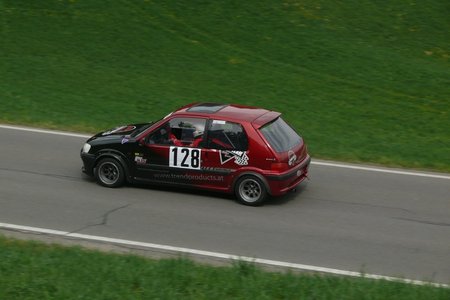
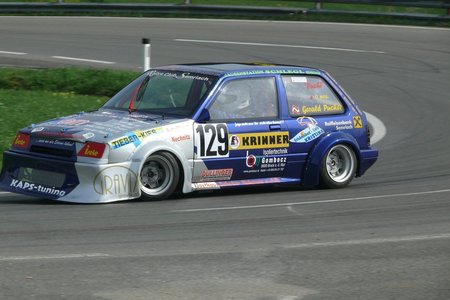
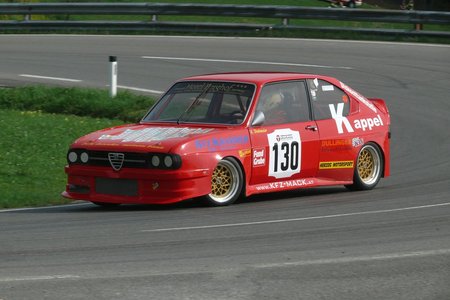
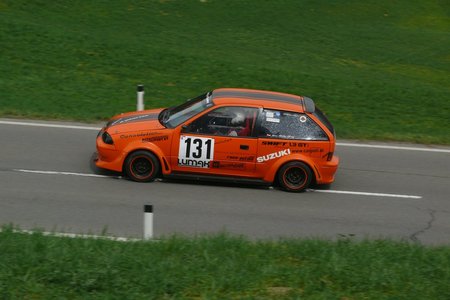
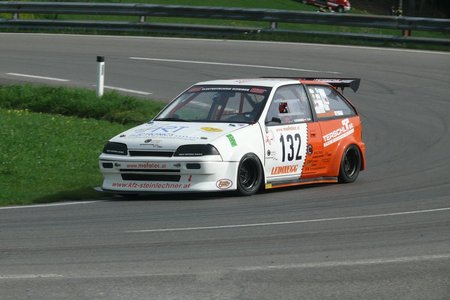
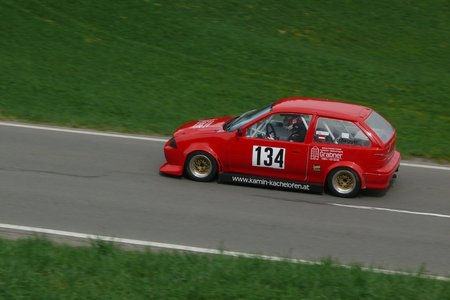
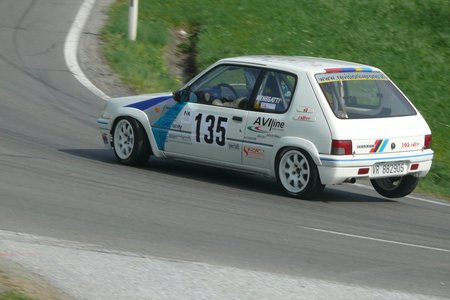
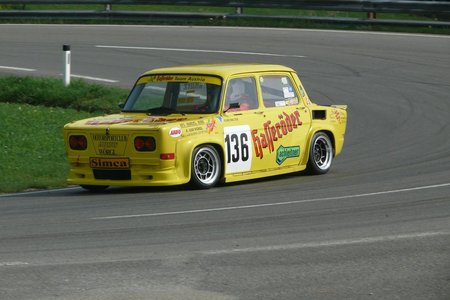

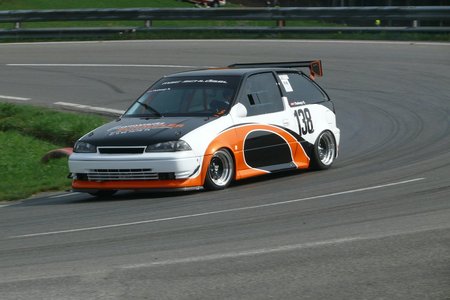
Best formula monoposto came from the Czech Republic: Krámský in Reynard was 7th and Janík with another aging F3000 (Lola) was 8th. Dušan Nevěřil with the best non-Osella prototype was 9th and also officially second in the Sports Car class (where the FA30s does not count). And the top 10 was covered by the slowest FA30, driven by Italian Franco Cinelli.

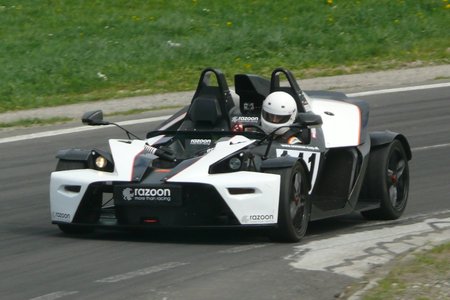
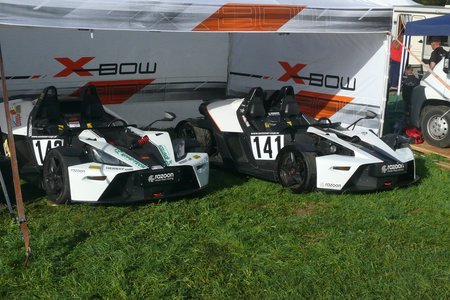
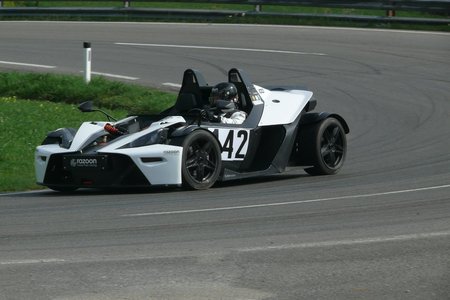
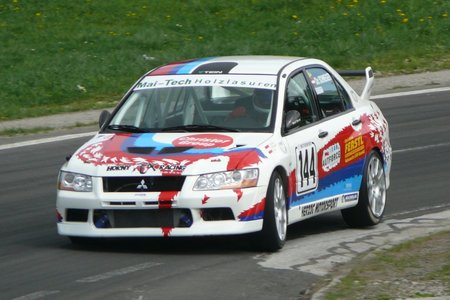
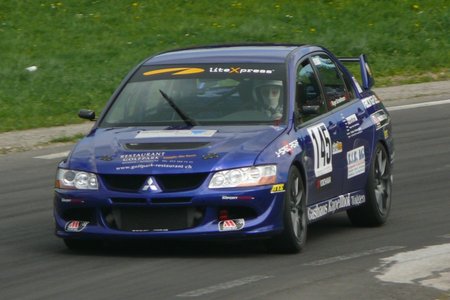
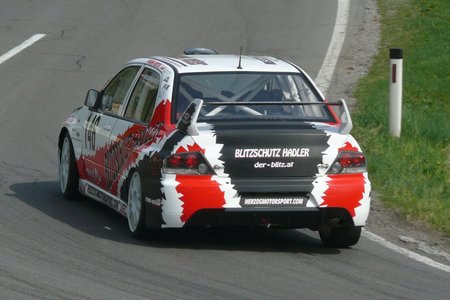
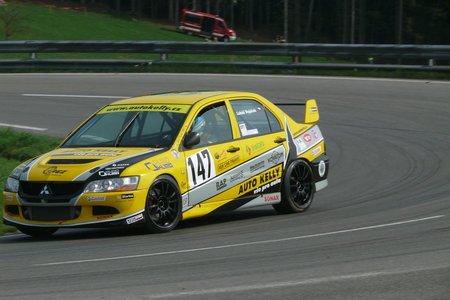
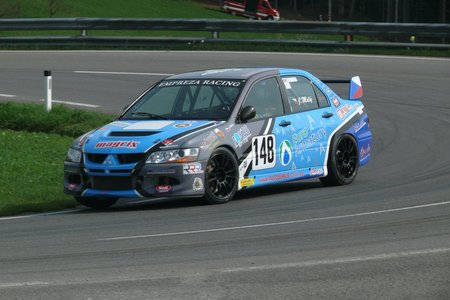
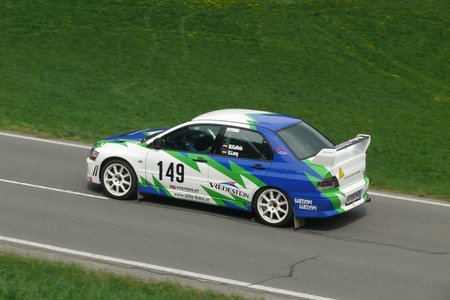
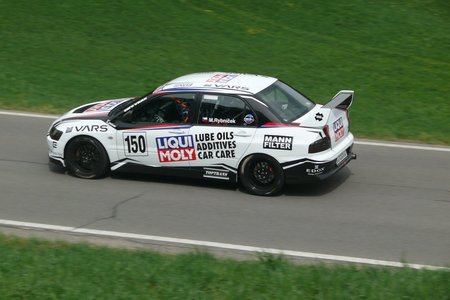
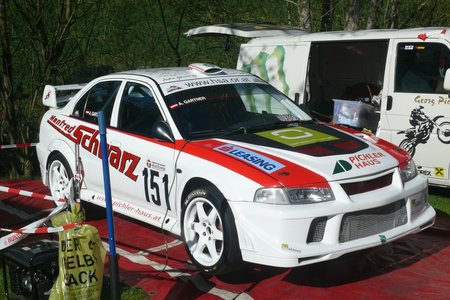
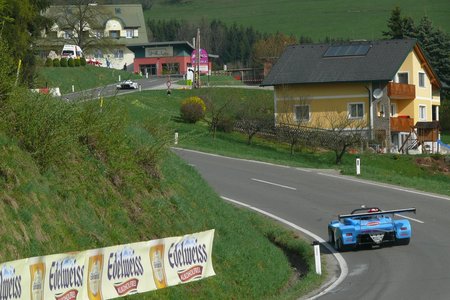
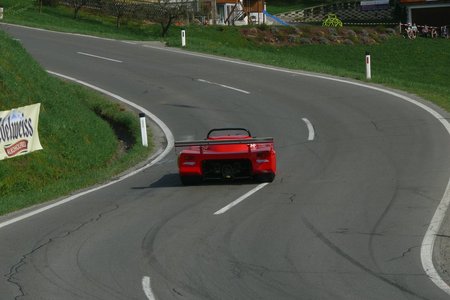
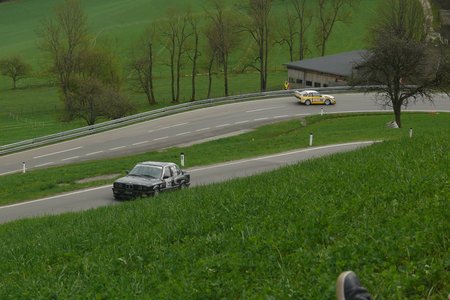
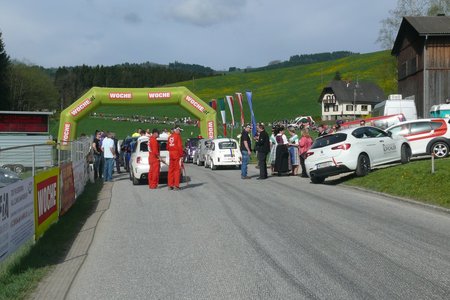
Christian Merli, the 2-litre winner in PA21 Evo was classified 14th behind three formulas. Altogether we had 141 classified finishers in the international race and 68 cars among the historics. The race was surprisingly well organised. Compared to our experience from Ecce Homo there were much smaller delays in case of incidents and failures of cars, the intervals between starters were set much shorter, especially the slower historics ran in intervals that it was not unusual to see overtaking at the higher parts of the track, We also could see three and once even four cars on the track at the same time from one spectators place.
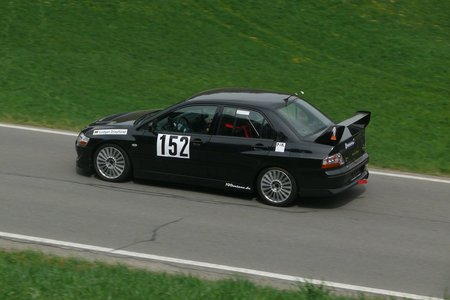


The track is shorter than Ecce Homo by some 30% but it still does not guarantee a perfect organisation. Only thing we suggest to improve significantly would be a press room and services. For example there were no third practice results available in the Saturday evening, the press office was closed and only suggestion was to look at the Internet. But the connection was not available there over the weekend. And when we were to go home for a long journey and had to return our vests, the press office was closed. Thanks to willingness of responsible persons we could have been served but anyway, Ecce Homo works way better in this area.
It is well possible we will be back next year. For the moment we plan to visit the Ecce Homo race and bring you some reports and photo galleries as well.