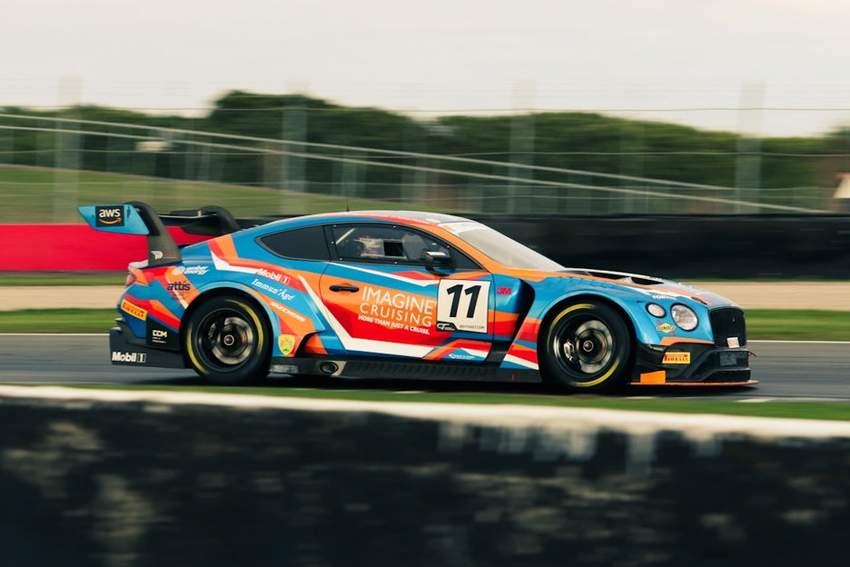
GT racing has never stopped evolving. What began as production based competition has transformed into one of the most technologically advanced and diverse forms of motorsport. The journey from early road based grand tourers to today’s hybrid powered hypercars reflects changes in engineering, regulations and global interest in endurance racing.
GT racing occupies a unique place in motorsport history. It has always balanced the spirit of road cars with the performance of dedicated racing machines, capturing the imagination of both engineers and spectators. From the early days of endurance events like the 24 Hours of Le Mans to the current era of FIA regulated championships, GT racing has reinvented itself several times. Online audiences following results and discussions through platforms such as Boylesports have helped racing reach an even wider public, strengthening the entertainment aspect alongside the technical competition. Each era introduced new heroes, new technology and new philosophies about what a grand touring race car should be. Today, GT categories form a global racing ecosystem with factory teams, customer racing programs and vehicles that share DNA with some of the most desirable road cars in existence.
The Foundations in the 1960s and 1970s
The 1960s are often remembered as the first golden age of GT racing. Cars like the Ferrari 250 GTO, Shelby Daytona Coupe and Jaguar E Type demonstrated how fast a production car could become when stripped of excess weight and tuned for endurance competition. The Ford GT40 arrived soon after and changed the landscape entirely. It was born to win Le Mans and quickly became one of the most recognizable symbols of the sport.
During the 1970s, regulations shifted and GT racing began to incorporate more modified machinery. Porsche emerged as a dominant force with models such as the 911 Carrera RSR and later the iconic 935. These cars showed how far the idea of a production based GT could be pushed. Aerodynamic experimentation became much more common and turbocharging made a significant impact on performance.
The Modernization of the 1980s and 1990s
By the 1980s and early 1990s GT racing experienced another transformation. Classes such as Group C dominated prototypes, but GT categories remained crucial in supporting endurance events. The creation of the BPR Global GT Series in the mid 1990s helped trigger a renaissance. Manufacturers returned with high profile programs and the competition became truly international.
This era produced memorable machines including the McLaren F1 GTR, Mercedes CLK GTR and Porsche 911 GT1. Many of these cars were homologated only in the loosest sense, with minimal road going versions produced to meet the rules. Performance escalated quickly and regulations again had to adapt.
Standardization and the Hypercar Influence
From the 2000s onward, GT racing became more structured and accessible. The adoption of the GT3 formula helped create a stable global category. The philosophy shifted toward balance of performance, which allowed multiple manufacturers to compete on relatively equal terms. Customer racing programs expanded and grids grew larger.
Today, the influence of hypercars and hybrid technology is shaping the class once more. While GT cars remain separate from prototype based hypercar categories, road car innovation is feeding into race programs. Manufacturers such as Ferrari, Porsche and Aston Martin continue to build GT machines that reflect current design language and engineering priorities seen in their road going supercars, creating faster, smarter and more efficient racing platforms that still honour tradition and performance expectations.
GT racing has traveled a long path from production road cars to specialized racing platforms. Each era reflected its technology, culture and competitive spirit, and the evolution continues as new energy systems and materials become part of the story, shaping future engineering benchmarks globally.